




Blitz kids, French spoken word, European No. 1
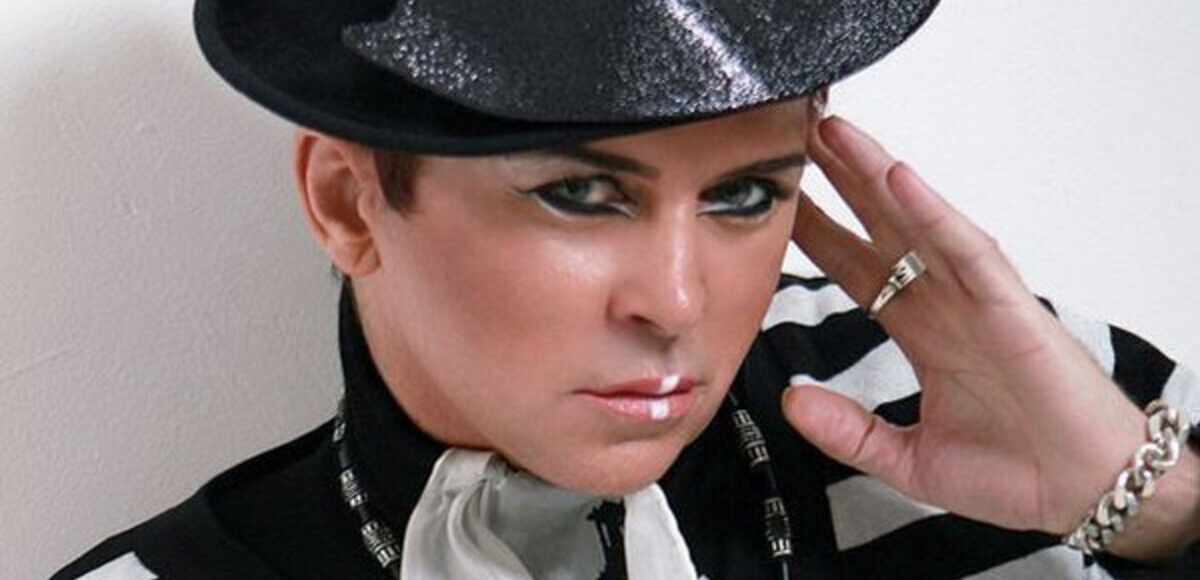
On 14 November 1980, Polydor issued Visage’s Fade To Grey on the same day as the band’s self-titled debut album. Steve Strange sang lead. The French spoken lines came from Brigitte Arendt, a Luxembourg student then dating drummer Rusty Egan. The writers credited on the single were Billy Currie, Chris Payne, and Midge Ure. Ure also produced with the band and sang backing vocals beside Egan. John Hudson engineered. The lineup around the sessions also drew on Ultravox and Magazine players such as Currie, Dave Formula, and John McGeoch.
The music began as an instrumental nicknamed Toot City. Currie and Payne worked on the bassline and chords during soundchecks on Gary Numan’s 1979 tour, with drummer Cedric Sharpley involved. Ure heard the piece while on a parallel Thin Lizzy U.S. tour, wrote English lyrics and a top-line melody, and brought it into the Visage track list. Strange took singing lessons with Ure so the vocal would sit in tune on tape. The finished track sets a cool synthesizer pulse under Strange’s restrained delivery and Arendt’s French mid-section. You hear electronic drums, keyed bass figures, Currie’s synth and electric violin colors, and a chorus that repeats the title like a warning rather than a shout.
It was Visage’s first major-label single after an earlier indie release. The song reached No. 8 in the UK, No. 1 in West Germany and Switzerland, and Top 10 across France, Austria, Belgium, Ireland, Italy, Australia, and New Zealand. Kevin Godley and Lol Creme directed the video, one of their early clips; Strange’s friend Julia Fodor mimed the French parts on camera while Arendt’s voice stayed on the record. The look matched the Blitz Club scene Strange helped define: makeup, sharp clothes, and a cold electronic sheen that European radio embraced faster than British rock press expected.
It was a lovely instrumental piece when I first heard it. I wrote the lyrics and the top line melody and turned it into a Visage song.
(Midge Ure, on Fade To Grey)
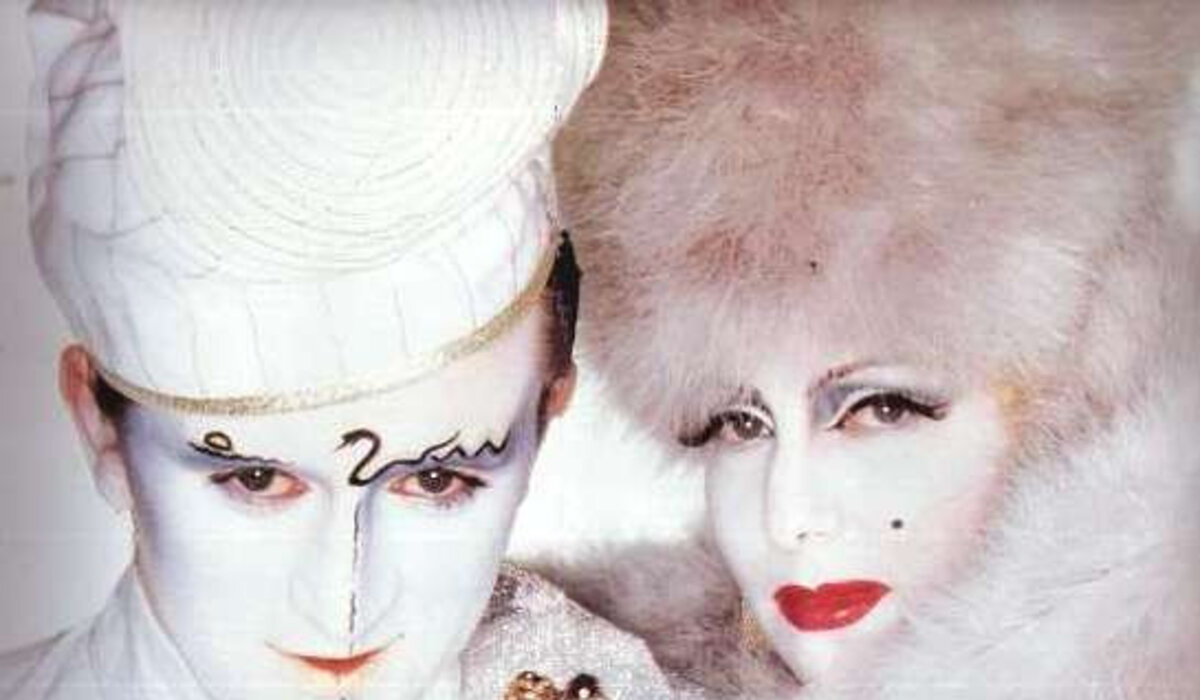
Visage never again matched this chart reach. Later singles and albums kept the New Romantic brand alive, but Fade To Grey remained the song that carried Blitz Club style onto continental radio. Ure went on to Ultravox hits and Live Aid organizing; Strange stayed the face of the look even as lineups shifted. The track still turns up whenever early 1980s synth-pop is summarized in one clip, and extended remixes kept it in clubs long after the single left the chart.
Play the album version on Visage first. The French break and the dry keyboard arrangement explain why a soundcheck instrumental became the band’s defining single.
Rita | 9 octobre 2026
|
La radio m’a tué Fade To Grey pendant des années. Revenu le mois dernier. Débile d’avoir attendu. Les vieux forums étaient fous sur ce sujet.
Diego | 9 octobre 2026
|
Je remets Fade To Grey dès que j’ai besoin d’un reset. Ça vieillit pas.
Hélène | 10 octobre 2026
|
Écouté Fade To Grey mille fois. Là je me rappelle pourquoi ça m’a marqué.
Théo | 10 octobre 2026
|
Un peu basique mais Fade To Grey reste top 5 Visage pour moi. Le café a refroidi pendant que je finissais. Acceptable.
Chloé | 10 octobre 2026
|
Pas surcoté. Les gens ont juste oublié à quel point Fade To Grey est serré. Biais de fraîcheur possible, je m’en fiche aujourd’hui. Je suis biaisé et ok avec ça.
Mike B. | 11 octobre 2026
|
Pas mon genre d’habitude mais Fade To Grey m’a eu. Ok. J’en ai parlé à un collègue, il a haussé les épaules. Tant pis.
Sam W. | 12 octobre 2026
|
La radio m’a tué Fade To Grey pendant des années. Revenu le mois dernier. Débile d’avoir attendu. J’en ai parlé à un collègue, il a haussé les épaules. Tant pis. Voilà.
Alex | 12 octobre 2026
|
Chanson simple, gros feeling. Fade To Grey fait encore ça. Les vieux forums étaient fous sur ce sujet.
Mateo | 13 octobre 2026
|
Les lives de Fade To Grey sont meilleurs non? Le studio gagne quand même pour moi. Le café a refroidi pendant que je finissais. Acceptable.
Emma | 14 octobre 2026
|
Ok mais qui d’autre met Fade To Grey à 1h du mat et se sent compris? Le café a refroidi pendant que je finissais. Acceptable. Bon.
Sofi | 15 octobre 2026
|
Je zappe toujours jusqu’à Fade To Grey sur l’album. Coupable.
Amy | 15 octobre 2026
|
Chanson simple, gros feeling. Fade To Grey fait encore ça.
Jules M. | 16 octobre 2026
|
Les gens sous-estiment à quel point Fade To Grey est bizarre. L’article le dit bien. Le café a refroidi pendant que je finissais. Acceptable. Bouton replay abusé.