
1952 solid-body: mahogany, maple, humbuckers, sustain
Gibson launched the Les Paul in 1952 at Kalamazoo after Les Paul’s push for a solid-body electric that could hold pitch and fight feedback on loud stages, following his earlier “Log” experiments and solid-body debates with the company. Early Goldtops paired mahogany bodies with maple caps, set necks, and (soon) humbucking pickups that thickened the midrange. The guitar was heavy in the strap and stubborn in the hand. That mass is part of the sound: long sustain, compressed attack through a tube amp, notes that stay put when you bend. It was never designed to be light furniture. It was designed to fill tape and PA systems.
Players wrote the model’s résumé in public. Keith Richards dirtied it through small amps; Billy Gibbons made it shuffle and spit; Neil Young dragged battered examples through decades of tours; Jimmy Page and countless hard-rock leads made the burst finish a stage shorthand. Blues, punk, metal, and stoner rock all kept the same silhouette. Engineers often built mixes around a Les Paul into a cranked combo or stack: midrange growl, rounded lows, highs that rise just enough. Tricks were optional. Cable, tubes, and wood did most of the work.
The neck profile and weight force a stance: strap low, fretting hand committed, vibrato that has to mean it. Knobs are stiff enough that tone changes are deliberate. In the studio the instrument is self-sufficient; a little room mic is a bonus, not a requirement. On festival stages the same guitar cuts smoke and distance because the fundamental is strong. Serial collectors chase clean early examples; working players chase necks that ring unplugged and joints that transfer vibration. Craft details (glue, humidity, year, pickup height) matter more than mystique.
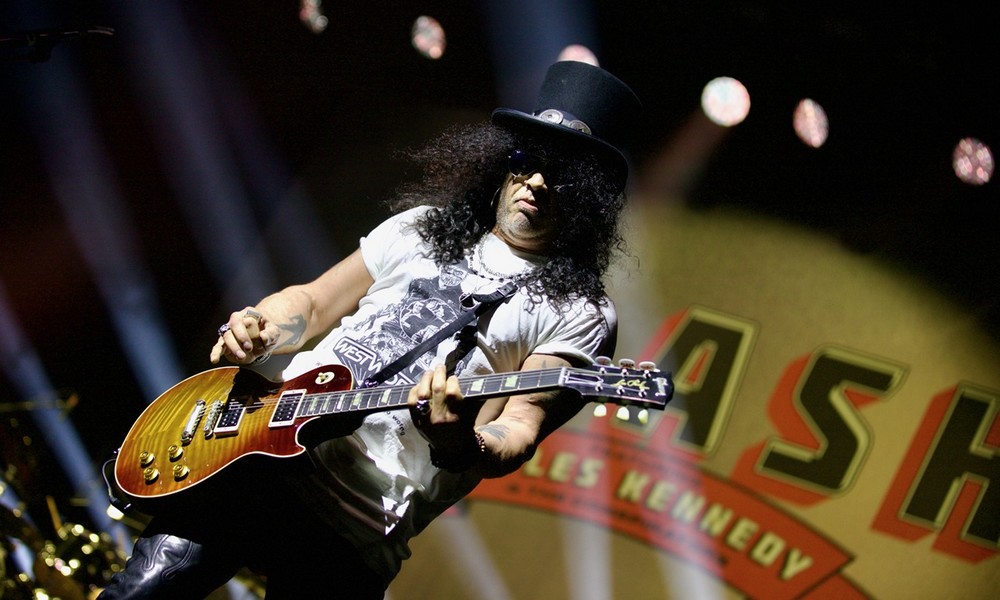
Age leaves evidence: checking lacquer, belt rash, cigarette burns, darkened hardware, yellowed plastics, humbuckers still humming. Some instruments stayed museum-clean; most working Les Pauls wear song history on the top. Collectors argue over PAFs, Norlin-era weight, and Custom Shop reissues; gigging players argue over setup and amp match. From Yardbirds-adjacent blues-rock to Black Sabbath riffs to Queens of the Stone Age grit, the outline barely changed. Slash’s burst and countless metal leads kept the silhouette on posters and in pawn shops alike. No rebrand circus required. As stages got louder, the design held.
Today the shape still hangs in shop windows, bar stages, and beginner bedrooms. Students learn first bends on Epiphone copies; pros still tour with Standards, Customs, and Juniors when they want a thinner bite. Magazine cover stories recycle the same silhouettes because audiences recognize them in one frame. The Les Paul remains a foundation block of rock guitar tone because the specs solve real problems: feedback control, sustain, and a midrange that sits in a band mix. It does not care about myth. It serves night after night, studio after studio, on the same production specs Les Paul and Gibson shipped in 1952. Ask a tech what still gets pulled from the road case when a mix needs midrange authority: the answer is often this body shape.