Ten rock solos chosen for tone, phrasing, and lasting radio impact, not for speed contests.
10John Frusciante (Red Hot Chili Peppers) – “Scar Tissue” On the 1999 hit from Californication, Frusciante plays a short slide solo with few notes and lots of space. No shredding, no double-time runs. The Les Paul tone stays thin and dry; each phrase lands like a spoken line. It works because the song is already mid-tempo and melodic, and the solo refuses to oversell it.
9Slash (Guns N’ Roses) – “Sweet Child O’ Mine” The outro solo on the 1987 Appetite single builds in clear stages: lyrical bends first, then denser runs as the band opens up. Slash’s Les Paul through a Marshall stack is the textbook mid-80s hard-rock sound. Overplayed on radio, yes. Still a model of how an outro can turn a verse-chorus hit into a set closer.
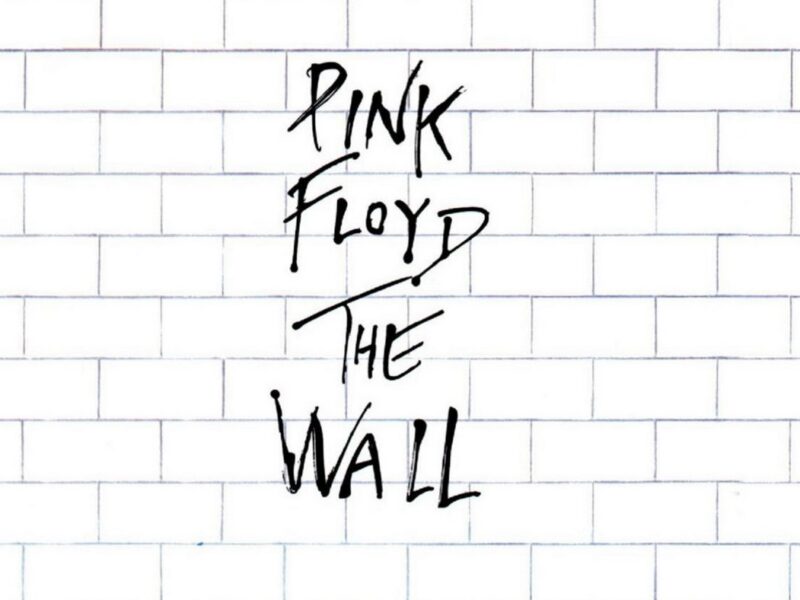
8David Gilmour (Pink Floyd) – “Comfortably Numb” Two solos bookend the 1979 track from The Wall. The closing one is the keeper: long sustain, slow bends, and a climb that stays melodic even at peak volume. Gilmour’s Black Strat and big reverb made “guitar as vocal” a standard reference for arena rock ever since.
7Tom Morello (Rage Against the Machine) – “Killing in the Name” The 1992 break uses toggle effects, feedback, and DJ-style scratching more than conventional lead lines. Morello treats the guitar as a noise source tied to the riff’s protest lyric. You do not hum the solo; you recognize the texture. It reset what a “guitar break” could mean in 90s rock radio.
6Kirk Hammett (Metallica) – “One” From the 1988 …And Justice for All single, the lead starts melodic over clean arpeggios, then detonates into thrash runs as the war-themed arrangement accelerates. Hammett’s wah and fast alternate picking mark a peak for mainstream thrash on MTV and rock charts alike.
5Brian May (Queen) – “Bohemian Rhapsody” The mid-song solo on the 1975 single is brief and tightly arranged. May’s homemade Red Special and layered harmony guitars match the operatic sections without stealing them. Short, singable, and built for the studio edit that later ruled stadiums and karaoke nights.
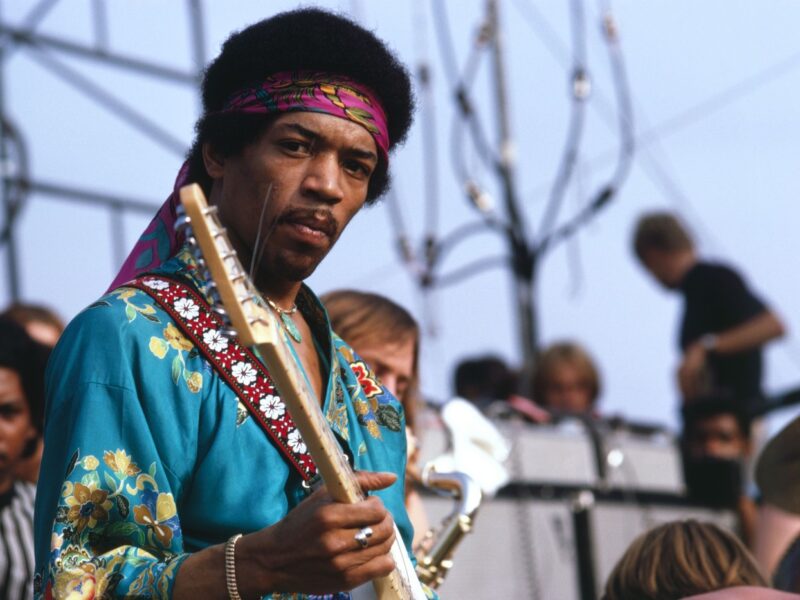
4Jimi Hendrix – “All Along the Watchtower” Hendrix’s 1968 Electric Ladyland take of Dylan’s song turns the guitar into the lead narrator. The solo section moves through feedback, bent notes, and rhythmic chopping while the band locks a hard groove. Studio rock guitar after this recording had a new ceiling for aggression inside a pop single structure.
3Randy Rhoads (Ozzy Osbourne) – “Crazy Train” On the 1980 Blizzard of Ozz cut, Rhoads mixes classical-flavored runs with metal bite. The solo is compact, timed to the riff’s bounce, and finished with a tapping figure that countless players copied. It helped define early 80s metal lead vocabulary on mainstream rock radio.
2Eric Clapton (Derek and the Dominos) – “Layla” The 1970 title track pairs Clapton’s anguished lead with Duane Allman’s slide answers. The solos are blues-based, not flashy for their own sake; the emotion comes from bends, call-and-response, and the twin-guitar arrangement. Heartbreak as a recorded duel, still taught as a slide benchmark.
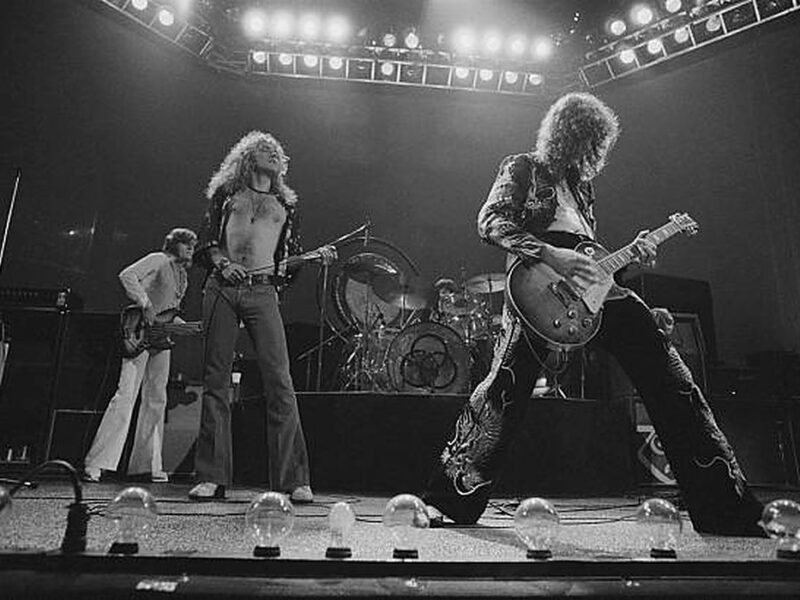
1Jimmy Page (Led Zeppelin) – “Stairway to Heaven” Overplayed or not, the 1971 solo on Led Zeppelin IV remains a phrasing textbook: patient build, clear motifs, then a release into harder rock. Page’s Telecaster take (tracked later than the acoustic sections) became the template thousands of players learned note for note. Influence measured in cover bands and guitar magazines for five decades.