Third album, voice in a dry room
Open Stronger Than Pride and the air thins on purpose. Percussion sketches a shoreline, a keyboard finds a soft pocket of light, and Sade Adu’s voice arrives as if the rest of the band has stepped back to leave her the center of the room. Released in May 1988 on Epic, the third Sade album is the first she produced herself: less lacquer than Diamond Life, less jazz-perfume than Promise, more space around every syllable.
Songwriting stretched between Spain and London; tracking ran through France and the Bahamas over roughly a year. Stuart Matthewman, Andrew Hale, and Paul S. Denman still build the signature hush, but the arrangements refuse to crowd the mic. “Love Is Stronger Than Pride” hangs on patience and refusal. “Paradise” swings with Denman’s bass and a summer heat that later topped the US R&B chart. “Nothing Can Come Between Us,” “Haunt Me,” and “Turn My Back On You” keep the temperature low and the stakes high. Even the Spanish-tilted closer “Siempre Hay Esperanza” feels like a door left ajar rather than a finale with fireworks.
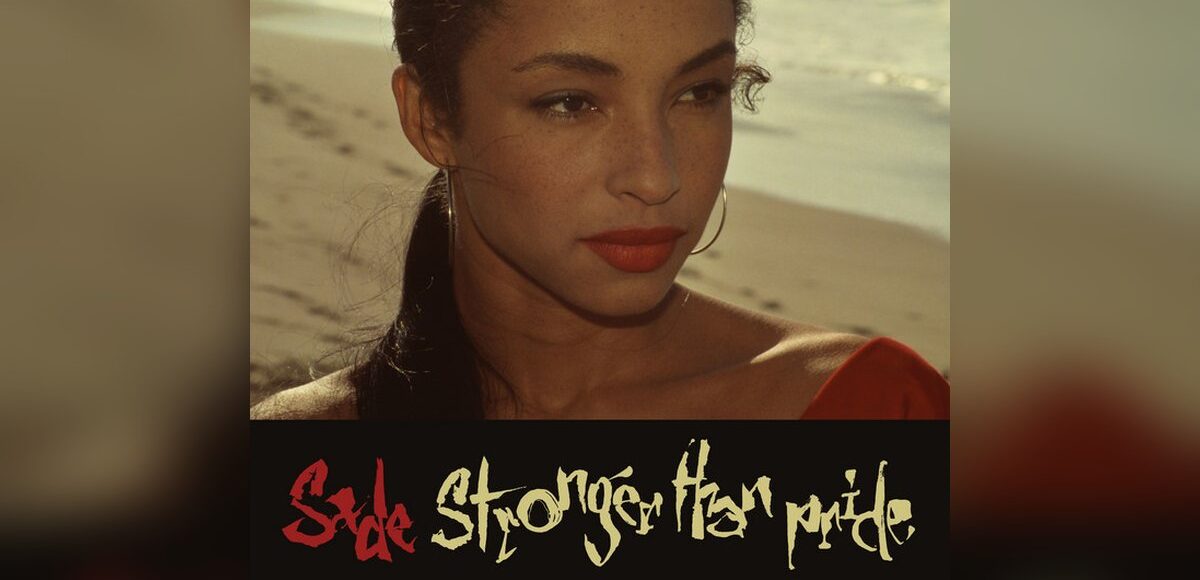
The cover photograph, by Levon Parian, freezes Adu against a washed beach horizon: lipstick, hoop earring, that unhurried stare. It matches the record’s weather. Where the earlier albums dressed romance in satin, Stronger Than Pride trusts bare walls. UK chart peak at three, US Top Ten, multi-platinum returns: the public followed the quieter path without needing a manifesto.
I wanted it to be more basic and less embellished, with the quiet songs quieter and the harder songs harder. I wanted a sound that was empty and hollow so that you would have the voice just coming at you.
(Sade Adu, The New York Times, 25 May 1988)
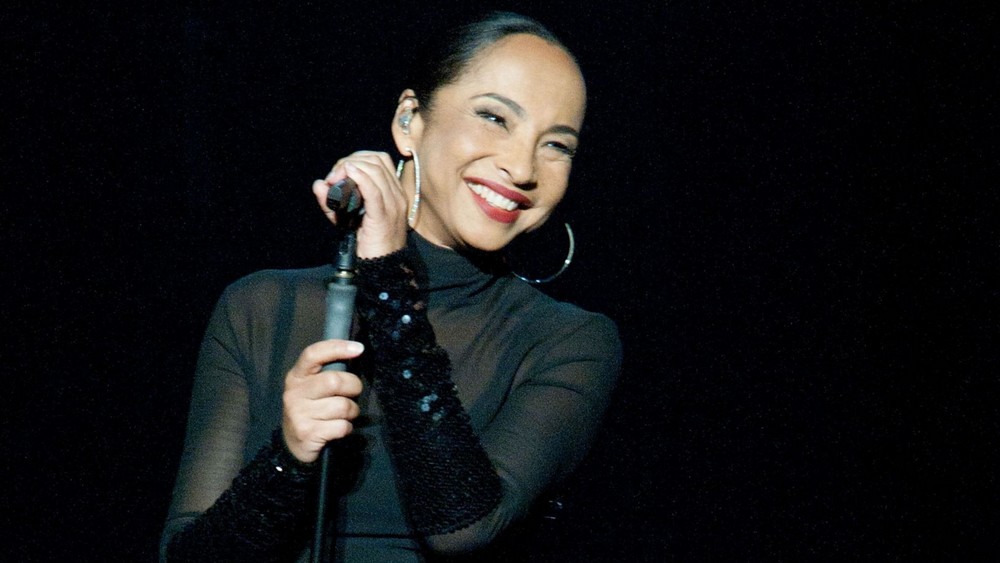
Play it now and the hollow mix she asked for still holds. The Alex McDowell video for “Paradise” catches the band as a working unit, not a mood board. “Nothing Can Come Between Us” and “Haunt Me” keep the tempo low and the bass round. Empty rooms were a production choice. The voice filled them without raising the volume.