
Trident, 1972: Ronson’s solo and the Ziggy cut that replaced the Arnold Corns demo
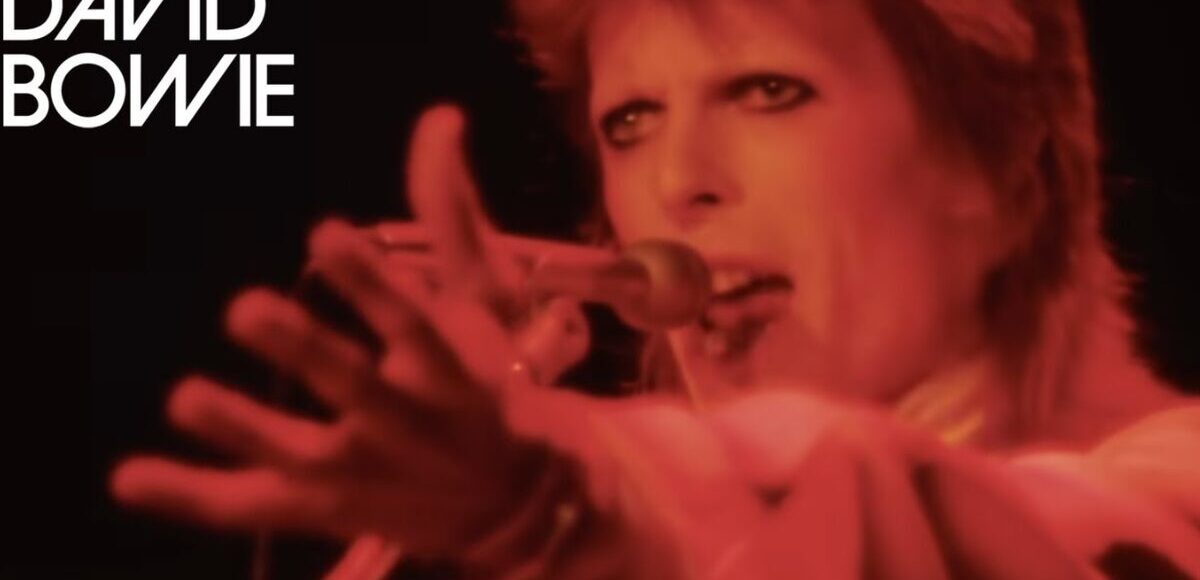
The riff walks in wearing glitter and steel. Mick Ronson’s guitar does not wait for permission; it frames David Bowie’s vocal and then takes the middle for a solo that still sounds like a transmission from another room. Moonage Daydream, on The Rise and Fall of Ziggy Stardust and the Spiders from Mars in 1972, is Bowie casting the listener as co-conspirator: “You’re the fabulous / I’m the space invader.” Trevor Bolder’s bass and Woody Woodmansey’s drums keep the glam strut grounded. Handclaps and Ronson’s arrangement colours widen the picture without turning it into theatre props. The song feels theatrical without becoming soft. It is fantasy carried by a working rock band.
An earlier Arnold Corns version had already existed in 1971, thinner and closer to a demo manifesto. For Ziggy, Bowie and Ken Scott rebuilt the track at Trident Studios with the Spiders, sharpening the arrangement and giving Ronson room to shred and arrange strings and textures around the solo. The album sequence places Moonage Daydream early, after the title character has been introduced on Ziggy Stardust, so the fantasy has a body and a band behind it. RCA released the album in June 1972. The tour that followed made the song a set regular: makeup, lights, Ronson locked beside Bowie, the riff already familiar before Bowie finished the first verse. Night after night, the middle section proved the costume was optional; the guitar was not.
Live tapes and later remasters keep returning to that solo. Film and documentary uses, including Brett Morgen’s later Moonage Daydream project that borrowed the title, pulled new listeners back to the 1972 cut. The lyric’s sci-fi romance still works because the band plays it like rock and roll, not like a concept lecture. Guitarists still learn the middle section for the same reason crowds still answer the opening invitation.
Ziggy was a means to an end. The songs had to stand up on stage with a real band, or the character would have been nothing but costume.
(David Bowie, on the Ziggy Stardust band and repertoire)
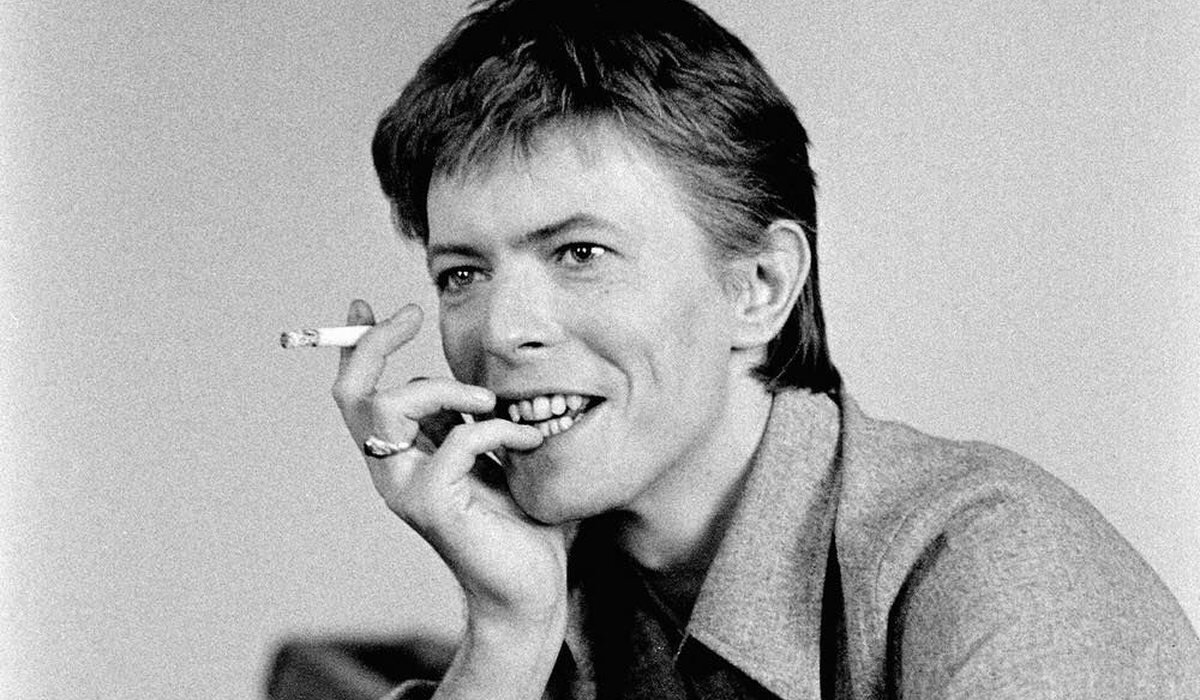
Moonage Daydream remains one of the album’s hardest proofs that the Ziggy myth was built from guitar and groove first. Costume came second. Ronson’s middle section is still the reason guitarists learn the song; Bowie’s opening invitation is still the reason crowds answer.
Put it on again and the transmission still clears: Bolder’s floor, Woodmansey’s snap, Ronson cutting the air, Bowie already mid-fantasy. Moonage Daydream is Ziggy with the amplifiers up.