




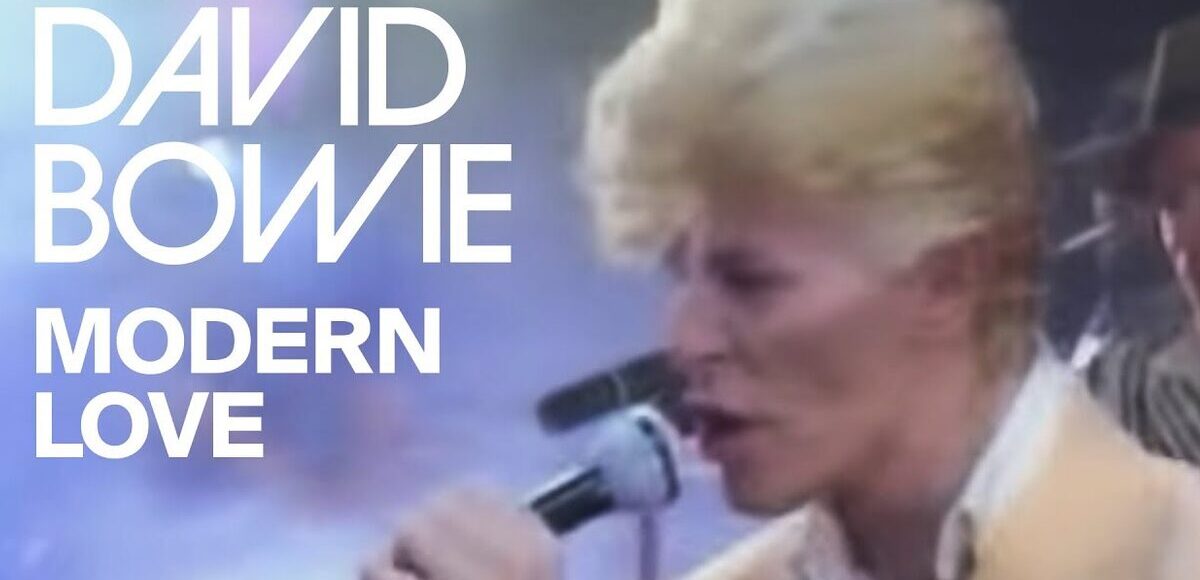
Let’s Dance 1983: Nile Rodgers rhythm that opens the album
Modern Love opens David Bowie’s EMI America album Let’s Dance (1983), produced with Nile Rodgers at Power Station in New York. Tony Thompson’s snare hits hard and bright, the way he played it at Power Station; Carmine Rojas holds bass; Rodgers’ guitar chops the groove while Bowie shouts the first lines ahead of the chorus. Frank and George Simms add backing vocals. Length sits around four minutes forty. As a single it reached the UK top ten and the US top twenty, walking beside Let’s Dance and China Girl in the same campaign.
Bowie framed the Rodgers sessions as melody and nerve meeting a dancefloor specialist who made demos sound like hits. The arrangement refuses glam costume theatre; it is pop-funk clarity with a church-and-club lyric that stays restless. Live on Serious Moonlight, the track became an opener that told arenas the Thin White Duke years had moved on.
In career terms Modern Love documents Bowie’s early-1980s commercial peak. The rhythm stays upfront. Music videos and MTV rotation put the suit-and-move image on screens worldwide. Compilations still start Let’s Dance-era Bowie with this crack of snare.
Decades of wedding DJs and film cues have not emptied the opening. Power Station supplied the session band, with Thompson on snare and Rojas on bass. The album opener was also released as a single. Radio edits rarely changed the lyric; the brightness of the arrangement was already the edit. Session notes and later interviews keep confirming the same dates, rooms and chart peaks with no costume story added. Compilations still file the track under the year it first hit, which is how most new listeners meet it. Live, the song often sits mid-set where a crowd already knows the hook before the verse finishes. B-sides and remixes extended club life, but the album or seven-inch cut remains the version stations reach for first. Stations kept the lyric as it was recorded, and the arrangement was already bright enough for radio. Interviews and session notes still give the same dates, rooms and chart peaks, with no costume story added. Compilations still file the track under the year of that first hit, which is how most new listeners meet it. On stage the song often lands mid-set, and the crowd already knows the hook before the verse is done.
Nile brought the feel. I brought the melody and the nerve. Together it stopped sounding like a demo and started sounding like a hit.
(David Bowie, on the Let’s Dance sessions with Nile Rodgers)
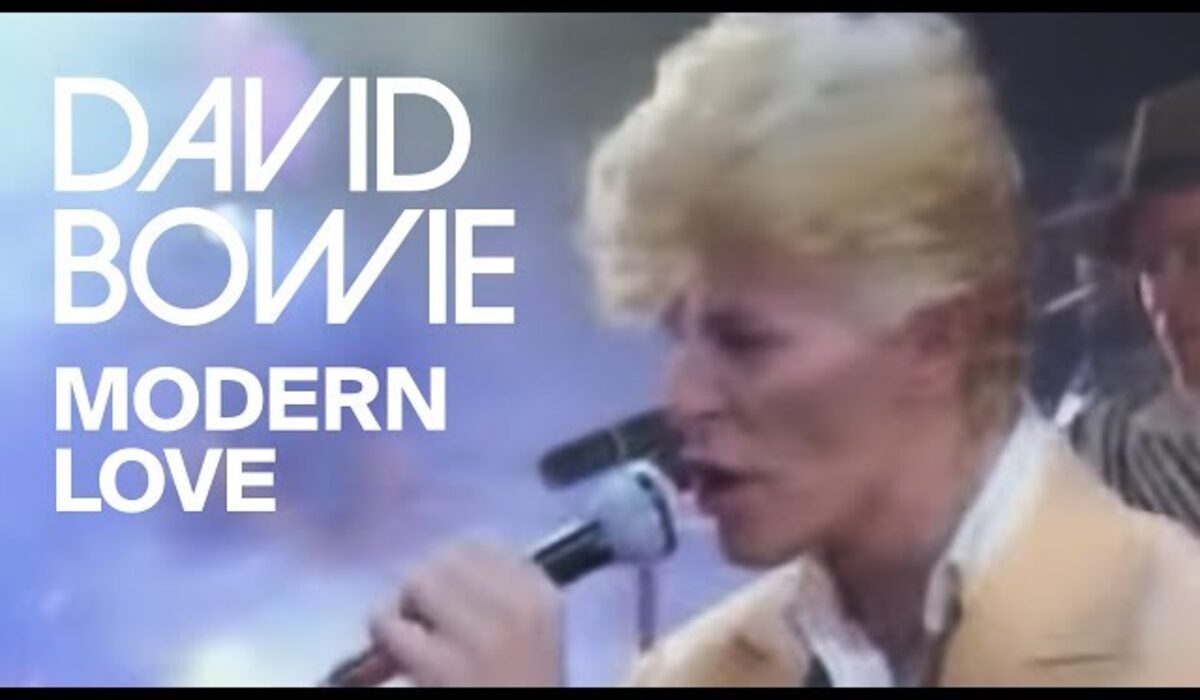
Modern Love did not invent Nile Rodgers pop-funk. It put Power Station drums under Bowie’s late-arriving chorus until Let’s Dance opened on that hit. Rodgers brought the dance-floor craft. EMI put the single out.
The snare hits first. The chorus can arrive late. The groove is already going.



Hélène | 7 October 2026
|
This is the track I put on to test new speakers. David Bowie never lies. I told my coworker and they shrugged. Their loss. That is all.
Sam W. | 8 October 2026
|
Not my usual lane but Modern Love got me. Fair enough.
Jacques | 8 October 2026
|
Radio killed Modern Love for me for years. Came back last month. Instant regret for waiting.
Pierre | 9 October 2026
|
cool. Now I want the deep cuts around Modern Love too. I told my coworker and they shrugged. Their loss. Ok bye.
Nadia | 9 October 2026
|
Not overrated. If anything people forgot how tight Modern Love is. Also the comments section on old forums was wild about this.
Greg | 10 October 2026
|
Ok but who else puts Modern Love on at 1am and feels seen?
Rosa | 11 October 2026
|
Read this, then put Modern Love on loud. That was the move. Also the comments section on old forums was wild about this.
Chloé | 11 October 2026
|
This is the track I put on to test new speakers. David Bowie never lies.
Maya | 12 October 2026
|
Opened the article, heard the riff in my head before the embed loaded. Classic. Coffee got cold while I finished the article. Acceptable.
Mateo | 13 October 2026
|
Short take: the groove on Modern Love still feels unfair.
François | 13 October 2026
|
Bass line on Modern Love is the whole argument. Rest is decoration. I am biased and fine with it.
Léa | 14 October 2026
|
The production notes here made me replay Modern Love twice. Nice catch. Also the comments section on old forums was wild about this.
Mike B. | 15 October 2026
|
Opened the article, heard the riff in my head before the embed loaded. Classic. Might be recency bias but I do not care today. Replay button abused.
Amy | 16 October 2026
|
People sleep on how weird Modern Love actually is. This article gets it. Sharing this in the group chat. Expect chaos.