
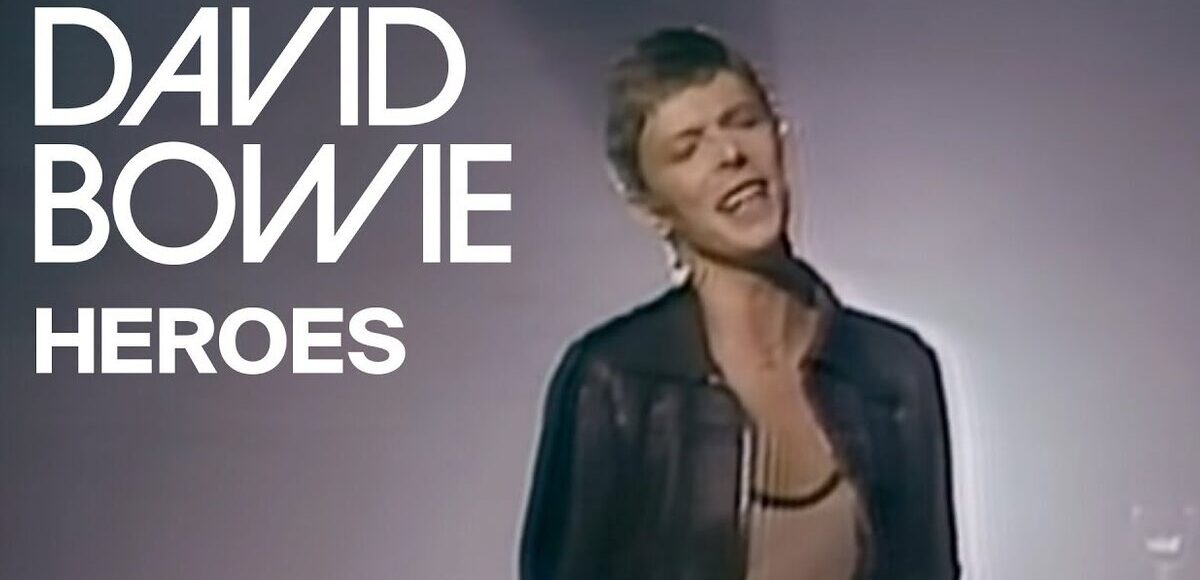
Two Neumanns at Hansa by the Wall
David Bowie stands close to the first Neumann. When he pushes the vocal, a farther mic opens, then a third, and Studio 2 at Hansa, a few minutes’ walk from the Berlin Wall, fills the tape. “Heroes” was cut in the summer of 1977 with the quotation marks already in the title: the song wants to be an anthem and refuses to believe it fully. Robert Fripp’s guitar sits in long feedback. Brian Eno’s synth pads stay cold and steady. For just over six minutes on the album take, West Berlin is a room where two people still dare to choose each other.
The backing track came first. Bowie and Eno built it with the Low rhythm section, Carlos Alomar, George Murray and Dennis Davis, Tony Visconti producing. One afternoon Bowie asked to be left alone in the control room. Visconti walked out with backing singer Antonia Maass along the Wall; they kissed on a public street. Watching with assistant Coco Schwab, Bowie wrote the lyric before they returned. Fripp came in for a short, focused visit and laid down the sustained guitar. Eno treated that sustain until it sat under the vocal like a second instrument.
Visconti was nearly out of tracks. He lined up three Neumann microphones, gated the distant pair, and let volume do the arrangement. Quiet lines stay intimate. When Bowie claims he can be king and you can be queen, the far mics wake and the vocal jumps in size. The album and the single landed in October 1977. They were not instant chart monsters in Britain or America. They did not need to be: the performance already held the public square it would later fill.
David could see us, and we quickly got written into the lyrics as the lovers who kissed by the wall.
(Tony Visconti, Sound on Sound)
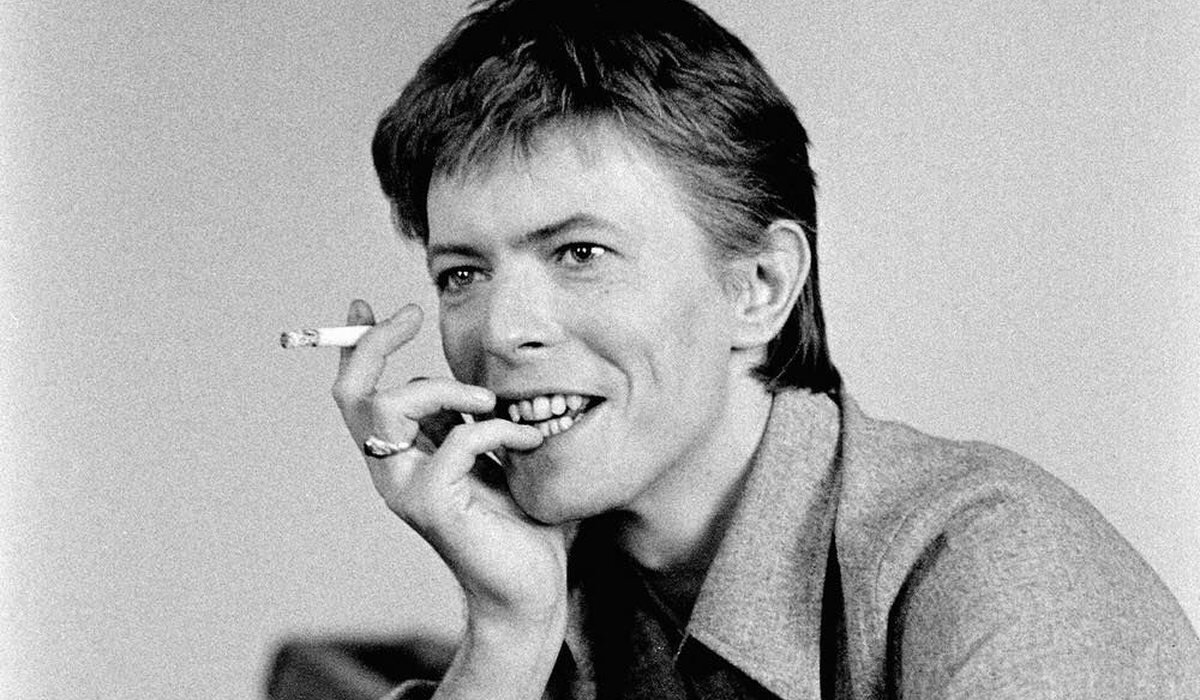
At Live Aid in 1985, and again in 1987 in a Berlin still divided, Bowie sang it with the irony thinned but still audible. After the Wall fell, history claimed the song. It can carry that weight. The verse that matters stays small: two people, guns overheard, a promise that nothing can fall. The joke is in the word heroes. The nerve is saying it anyway, even in inverted commas.
What lasts is a production trick turned into drama. Not a speech: a noise gate. The room grows only when the singer risks the next dynamic. “Heroes” still opens as a private vow and ends with the hall ringing. Other anthems flatten a city into a chorus. This one keeps the window, the Wall and the kiss in one frame, sceptical and usable at once.