




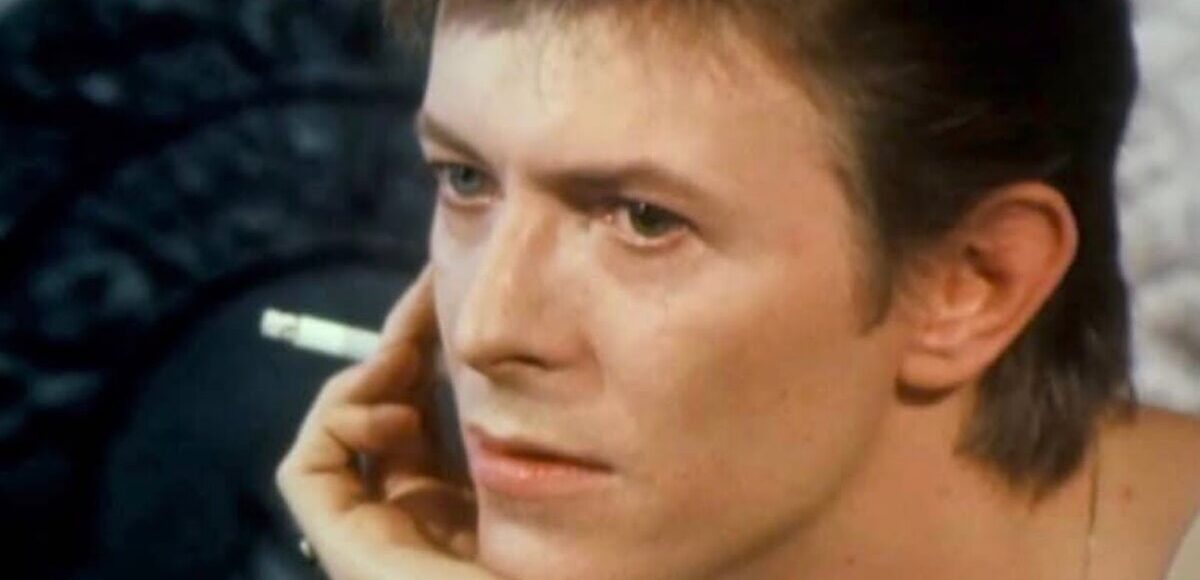
From Brixton and Ziggy to Berlin sessions and Blackstar
In a Brixton living room, a sharp-eyed kid practiced saxophone because the instrument might open doors the street would not. David Jones became David Bowie, a stage name he used as his working name from then on. Late-sixties London was full of bands chasing the same amp hum. Bowie worked on characters and staging. He watched mime, theatre, American R&B, and how a change of look could reset a room before the first note.
Space Oddity, released in 1969, put him on the charts beside a moon landing the world already knew by heart. Major Tom is a radio voice left out in space. The early seventies brought harder glitter. The Man Who Sold the World and Hunky Dory sharpened the writing. “Life on Mars?” sat film-score ambition inside piano chords. “Changes” read less like a slogan than a studio method he would follow for decades.
Ziggy Stardust arrived as a full show. The Rise and Fall of Ziggy Stardust and the Spiders from Mars (1972) put a character on the singer: orange hair, pale skin, Mick Ronson’s guitar cutting clean and loud. “Starman,” “Suffragette City,” and “Rock ‘n’ Roll Suicide” gave teens a short story they could take to school. Aladdin Sane followed, then Diamond Dogs, each album another costume, with the same voice under the clothes.
America took him in, and the pace nearly wore him out. Young Americans brought plastic soul and colder glamour; Station to Station invented the Thin White Duke, a character sharp enough that it was hard to live inside. By the mid-seventies Bowie needed less spotlight and more structure. He went to Berlin with Brian Eno and Tony Visconti and rebuilt from texture: Low, “Heroes”, Lodger. The title track of “Heroes” sets two people against a wall, and the chorus is sung at full volume.
Collaborations widened the map. Luther Vandross appeared on Young Americans sessions. Iggy Pop’s The Idiot and Lust for Life took shape in the same Berlin orbit. Queen’s “Under Pressure” proved Bowie could share a mic without shrinking. Live, the tours changed costumes, bands, and set lists with each album. The sound changed. The stage work, the mime and the characters, stayed.
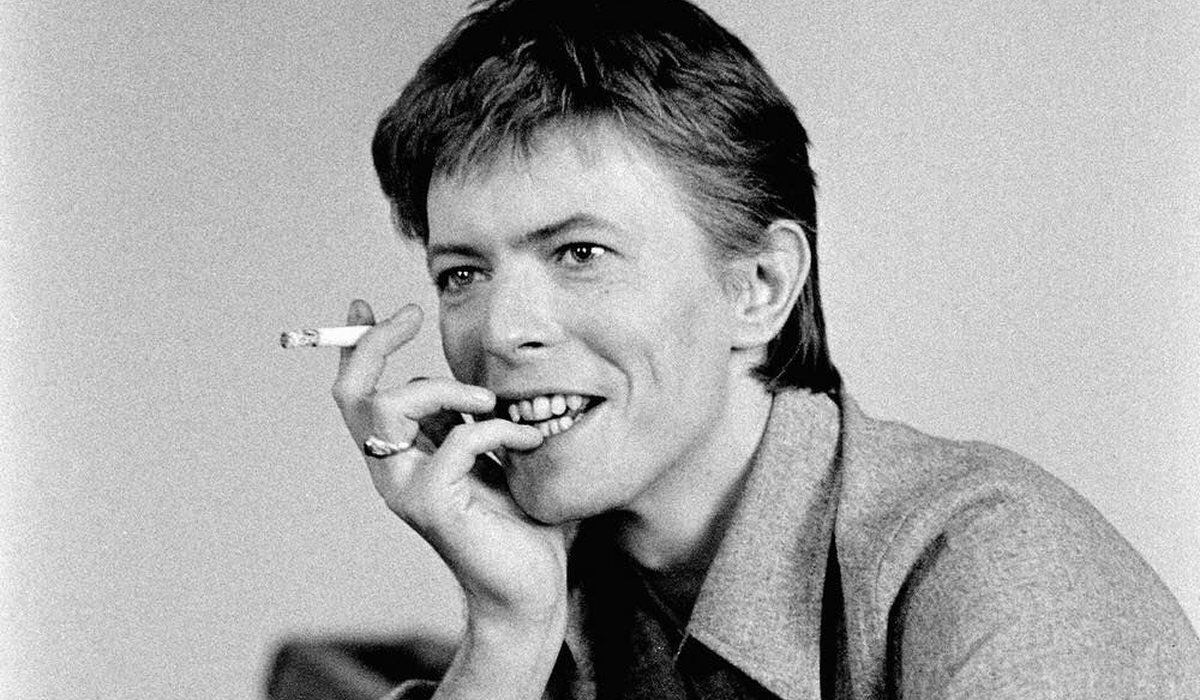
Let’s Dance (1983) made him global in another key: Nile Rodgers’s polish, MTV saturation, stadium scale. The fame was enormous and briefly flattening. Bowie kept moving through Tin Machine, 1990s experiments, Heathen and Reality, and he kept releasing new records instead of a hits-only show.
Blackstar, released on his sixty-ninth birthday in January 2016, two days before his death, was a new set of songs, not a hits package. Jazz players sit in the band, the phrases are short, and the singer is still changing the arrangement from track to track. Critics sometimes accused him of style over substance. Even the lighter singles, across the catalogue and on this record, use odd intervals, dramatic pauses, and lyrics that skip the obvious rhyme.
The catalogue changes on purpose from decade to decade. Dry Spiders guitar, Eno-treated ambient beds, Rodgers-clean dance pop, and late jazz arrangements all sit on his records. The elaborate parts still sound planned, album by album, from Mick Ronson’s guitar with the Spiders to the players on the 2016 record.
Entry points vary by temperament. Hunky Dory for songwriting clarity. Ziggy for the rock peak. Low and “Heroes” for Berlin texture. Let’s Dance for the global hit period. Blackstar for the final chapter. Add “Under Pressure,” “Rebel Rebel,” and “Ashes to Ashes” to trace three different rooms.
Marc Bolan and Roxy Music shared the glam years, but Bowie kept writing new parts after the glitter faded. Bryan Ferry and Peter Gabriel shared the art-rock curiosity, and Bowie added sharper pop hooks when he chose. He changed the persona on record, from Ziggy to the Thin White Duke to the Berlin albums and after.
Put on Hunky Dory, then Low, then Blackstar. The writing changes room each time: the piano songs, the Berlin tracks with Eno and Visconti, then the 2016 band. The singer is the same David Jones from Brixton, and the name on the sleeve changes with the record.


Marie-Claire | 7 October 2026
|
Short: David Bowie still sounds human when everyone else polishes too hard.
Théo | 7 October 2026
|
Gateway artist for me into a whole decade. No regrets. I told my coworker and they shrugged. Their loss.
Inés | 8 October 2026
|
Underrated writer too, not just a voice. Article shows it. Might be recency bias but I do not care today.
Rosa | 9 October 2026
|
Parent played David Bowie Sunday mornings. Muscle memory at this point. I told my coworker and they shrugged. Their loss.
Kofi | 10 October 2026
|
controversial take but peak David Bowie clears half the playlist filler out there. Sharing this in the group chat. Expect chaos.
Greg | 11 October 2026
|
I came for the hits, stayed for the odd tracks. This profile gets both. I told my coworker and they shrugged. Their loss.
Nadia | 12 October 2026
|
Not every album is equal. The peaks though… unfair. Sharing this in the group chat. Expect chaos.
Sam W. | 12 October 2026
|
I needed this reminder to revisit the deep catalog. Might be recency bias but I do not care today. Just saying.
Aria | 13 October 2026
|
Not every album is equal. The peaks though… unfair. Anyway.
Lina | 13 October 2026
|
David Bowie can sell a ballad and a shout in the same career. Rare. Might be recency bias but I do not care today.
Dan | 13 October 2026
|
The stage craft bit landed. You forget how much work that is. Coffee got cold while I finished the article. Acceptable.
Fatima | 14 October 2026
|
Controversial take but peak David Bowie clears half the playlist filler out there. Also the comments section on old forums was wild about this. I am biased and fine with it.
Maya | 15 October 2026
|
The stage craft bit landed. You forget how much work that is. Sharing this in the group chat. Expect chaos.
Jacques | 16 October 2026
|
Controversial take but peak David Bowie clears half the playlist filler out there.