




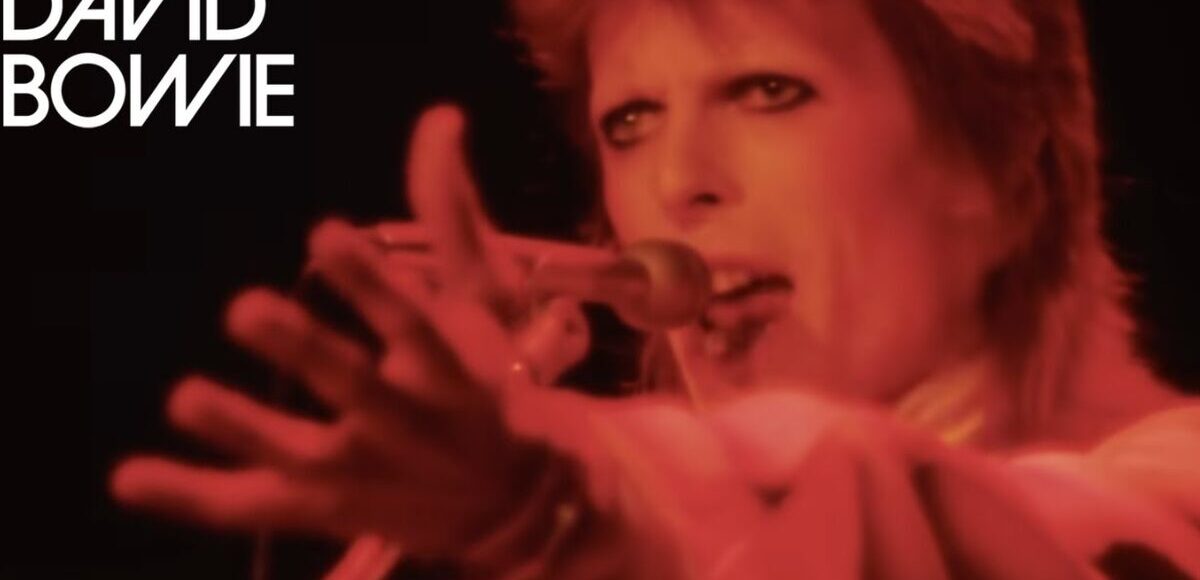
Ziggy Stardust 1972: Ronson solo, Spiders recut
Moonage Daydream sits on David Bowie’s RCA album The Rise and Fall of Ziggy Stardust and the Spiders from Mars (1972), cut at Trident with Mick Ronson’s guitar framing the vocal and then taking the middle for a solo set apart from the vocal, with its own space in the room. An earlier Arnold Corns version existed; the Spiders recut is the definitive one. Trevor Bolder on bass, Mick Woodmansey on drums, Bowie on vocal and acoustic colour. Length sits around four minutes forty.
Bowie framed Ziggy as a means to an end: songs had to stand up on stage with a real band or the character would be costume only. This track does that job: glam riff, science-fiction lyric, Ronson solo as proof the band was not a backdrop. Live on the Ziggy tours it sat as a mid-set transmission; later tours and the Moonage Daydream film revived the title as brand.
The cut documents the Spiders’ peak chemistry, before Bowie retired the character for good. Compilations of glam and Bowie essentials still pull the Ronson solo when they need Ziggy without Starman alone. A Trident recut replaced an earlier demo path. The 1972 album track stayed in the live set and later became a film cue, for decades.
Covers chase the solo and often miss the verse’s verse walking in hard. Ronson is already in before the vocal settles. The cut is bright and hard, not a soft fantasy. Radio edits rarely changed the lyric; the brightness of the arrangement was already the edit. Session notes and later interviews keep confirming the same dates, rooms and chart peaks without costume myth. Compilations still file the track under the year it first hit, which is how most new listeners meet it. Live, the song often sits mid-set where a crowd already knows the hook before the verse finishes. B-sides and remixes extended club life, but the album or seven-inch cut remains the version stations reach for first. Stations rarely recut the lyric, because the arrangement was already bright enough for air. Later session notes and interviews still give the same dates, rooms and chart peaks, without the costume myth. Compilations still file it under the year it first hit, which is still how most new listeners meet the track.
Ziggy was a means to an end. The songs had to stand up on stage with a real band, or the character would have been nothing but costume.
(David Bowie, on the Ziggy Stardust band and repertoire)
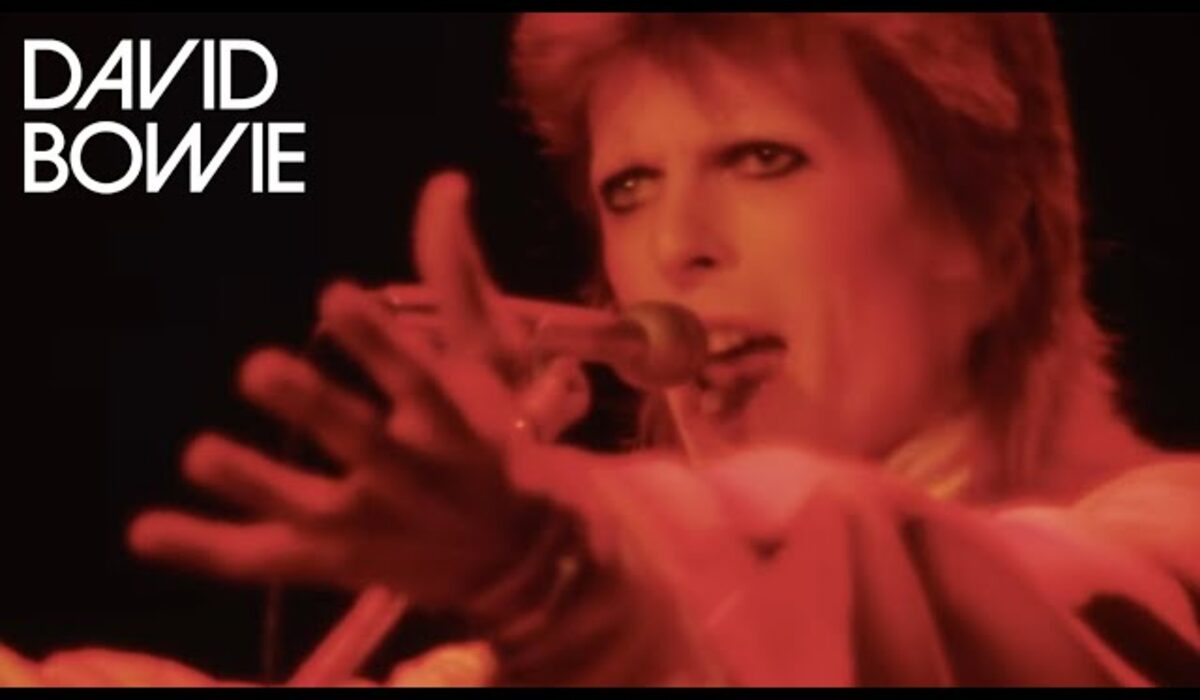
A Spiders recut from Trident put Ronson’s solo under Ziggy, and other guitarists started to use that solo in their own sets. Bowie’s brief was that the songs had to stand up. The 1972 album is where the track sits.
The riff is bright and hard, not soft. The character needed a band. This track is where that shows.

Hélène | 11 October 2026
|
Kinda basic of me but Moonage Daydream is still top 5 David Bowie for me.
Nadia | 12 October 2026
|
I show Moonage Daydream to friends who say they hate that era. Works every time. Sharing this in the group chat. Expect chaos. That is all.
Amy | 13 October 2026
|
solid chronicle. I forgot how sharp David Bowie sounded on this one.
Kofi | 15 October 2026
|
This is the track I put on to test new speakers. David Bowie never lies. Also the comments section on old forums was wild about this.
François | 15 October 2026
|
I never knew that detail about the session. Changes how I hear the intro.