Manchester, 1989: Squire’s chiming guitars, Reni’s swing, Brown’s drawl, and a debut that rewired indie
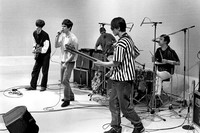
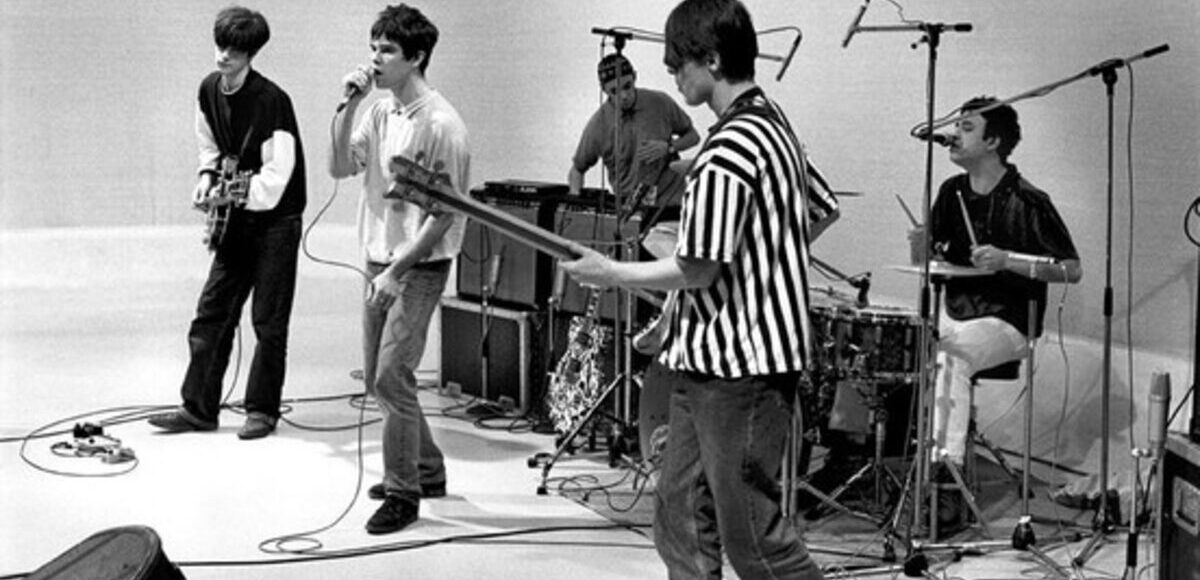
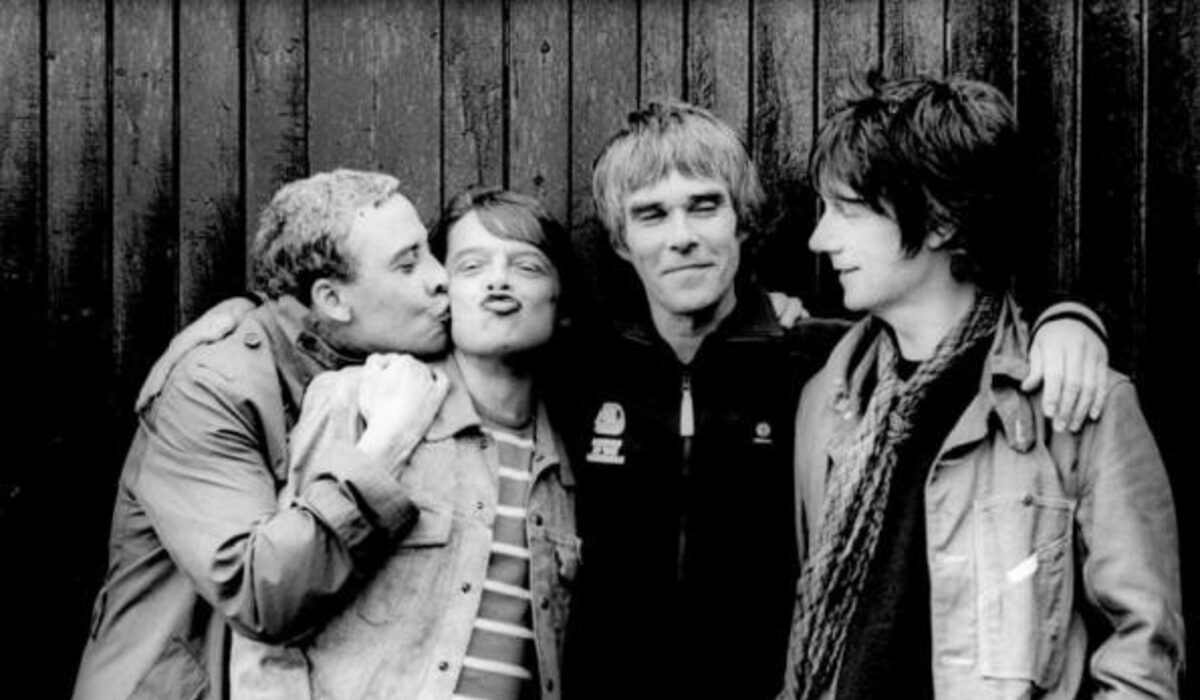
The Stone Roses came together in Manchester across the early-to-mid 1980s, built on the friendship between Ian Brown and John Squire, who had known each other since primary school in Timperley. By the time they settled their lineup, Gary Mounfield, known as Mani, was on bass and Alan Wren, known as Reni, was on drums. After several years of indie circuit work and a failed early single on Thin Line Records, they signed to Silvertone and entered Rockfield Studios in Wales with producer John Leckie. What came out in May 1989 was one of the most discussed British debut albums of the decade.
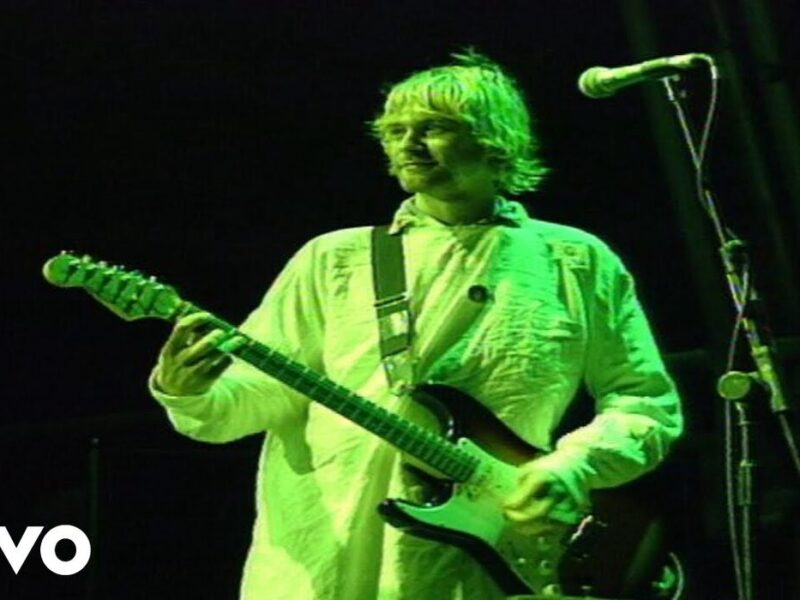
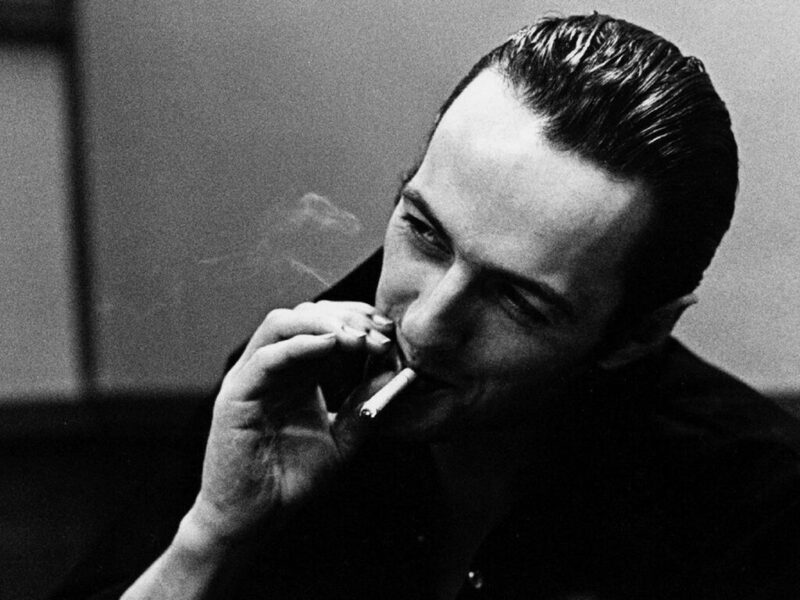
The Stone Roses (Silvertone, 1989) drew from several directions that its moment did not typically combine. Squire’s guitar work was informed by The Byrds’ chiming, ringing attack, filtered through psychedelia and a clear admiration for the rhythm guitar work of Keith Richards and the lead approach of Jimi Hendrix. Brown’s vocal delivery was a Mancunian drawl, understated and confident, avoiding the earnest croon of 1980s indie in one direction and the aggression of post-punk in the other. Reni’s drumming was the technical backbone: trained in the patterns of sixties soul and funk, he placed swing into indie rock rhythms in a way that gave the band a groove few of their contemporaries had.
The acid house scene was reshaping Manchester’s clubs at the same moment, and the Stone Roses absorbed it without fully becoming it. The guitar remained central, but the rhythmic looseness and the sense of communal euphoria that ran through the scene was audible in the band’s energy and in their audience’s response. They played the Hacienda. They were friends with Tony Wilson. The crossover between indie guitar and dancefloor culture that the album represented helped define what journalists later called Madchester, a label that also encompassed the Happy Mondays, James, and Inspiral Carpets.
The debut contained no filler. “I Wanna Be Adored” opened with a bass-and-drum build that delayed the guitar for nearly a minute before arriving. “She Bangs the Drums” was a three-minute piece of pure forward motion: Reni’s hi-hat work and Mani’s melodic bass line pushing Squire’s riff and Brown’s vocal toward an irresistible momentum. “This Is the One” gave Brown his most theatrical lyric on the album. “I Am the Resurrection” closed the record at eight minutes, the last three of which were an instrumental section driven by Reni’s drumming, widely cited by subsequent drummers as a direct influence on how rock percussion could be approached.
The Roses’ live reputation built quickly through 1989. The Spike Island concert in May 1990 drew around 27,000 people to a chemical plant in Widnes, and became one of those events whose cultural mythology exceeds what any recording could fully capture. The crowd, the setting, and the band’s defiant swagger made it a landmark of the era regardless of what the sound system delivered on the day.
Then the delays began. Legal dispute with Silvertone kept the band from releasing new music. When Second Coming finally appeared on Geffen in 1994, it was a harder, more Zeppelin-influenced rock record that divided listeners who had shaped their expectations around the debut. Squire’s guitar was louder and more overtly virtuosic. The groove elements were less prominent. “Love Spreads” was a substantial single with a slide guitar riff and Brown’s most confident vocal performance, but the album’s rock turn felt to many like a departure from what had made the debut essential.
The band dissolved in 1996 after Squire’s departure and a series of poor concert performances. Squire went on to form The Seahorses. Brown pursued a solo career that proved more durable than most expected, with a run of solo albums from 1998 onward that kept his voice and his Mancunian attitude in circulation. Mani joined Primal Scream. Reni mostly stepped back from public life. A reunion was announced in 2011 and produced a tour that ran through 2017, including headline sets at festivals and sold-out arena dates that demonstrated how well the debut material had held up.
The influence on British guitar music from 1989 onward is extensive. Oasis cited The Stone Roses explicitly; Liam Gallagher’s vocal approach owes something to Brown’s drawl. Suede, Blur, and the wider Britpop wave emerged partly in the space the Roses had opened. Later, bands including Kasabian and The Courteeners pointed back to the same template. The combination of psychedelic guitar shimmer, tight rhythmic swing, and an unironic belief in music as a communal physical experience proved influential in ways that crossed from Manchester across British rock.
Entry points start with the debut album and end there. The Stone Roses is one of those records where the order and the sequencing matter: play it through without skipping. For individual tracks, “She Bangs the Drums,” “I Wanna Be Adored,” “This Is the One,” and “I Am the Resurrection” represent the full range of the band’s capability within forty minutes. Second Coming is worth hearing for “Love Spreads” and for the context of what a five-year follow-up to that debut sounded like under different pressures. The compilation Turns into Stone collects the B-sides and non-album singles, including “Elephant Stone” and “Fool’s Gold,” the latter of which extends the funk-influenced groove direction further than anything on the debut.