




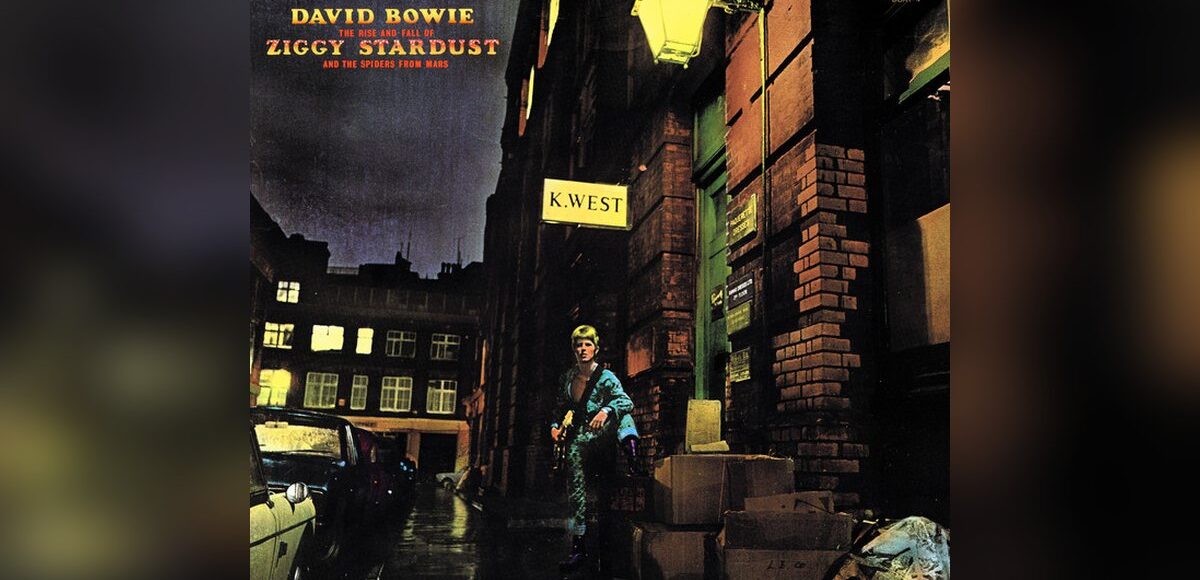
Trident, June 1972, a starman charts
On 16 June 1972 in the UK, David Bowie released The Rise and Fall of Ziggy Stardust and the Spiders from Mars on RCA. The sessions ran at Trident Studios in London from November 1971 to early February 1972, co-produced by Bowie and Ken Scott. Mick Ronson handled guitar, piano, and string charts; Trevor Bolder and Mick Woodmansey locked the rhythm section. Bowie sang, played acoustic guitar and sax, and framed the album as the rise and collapse of a rock messiah who fell to Earth.
The story is clear without a script. Five Years opens with a countdown to the end of the world. Moonage Daydream and Hang On to Yourself push Ronson’s hard guitar and Bowie’s rapid lines. Starman was added late when RCA wanted a single; the July 1972 Top of the Pops performance, arm around Ronson, became the entry point for a generation of UK listeners. Suffragette City moves at a Velvet Underground pace; Rock ‘n’ Roll Suicide closes with “you’re not alone.” Brian Ward’s Heddon Street photograph, later colorized, put Ziggy under the K. West sign.
This was Bowie’s fifth studio album and his first UK album-chart entry, peaking at No.5. The Spiders played the persona hard on stage until Bowie killed Ziggy at Hammersmith Odeon on 3 July 1973. The record stays a working rock album first: short songs, hard guitars, and a character you can follow from the first drum hit to the last line.
David Bowie’s most thematically ambitious, musically coherent album to date.
(Richard Cromelin, Rolling Stone, 1972)
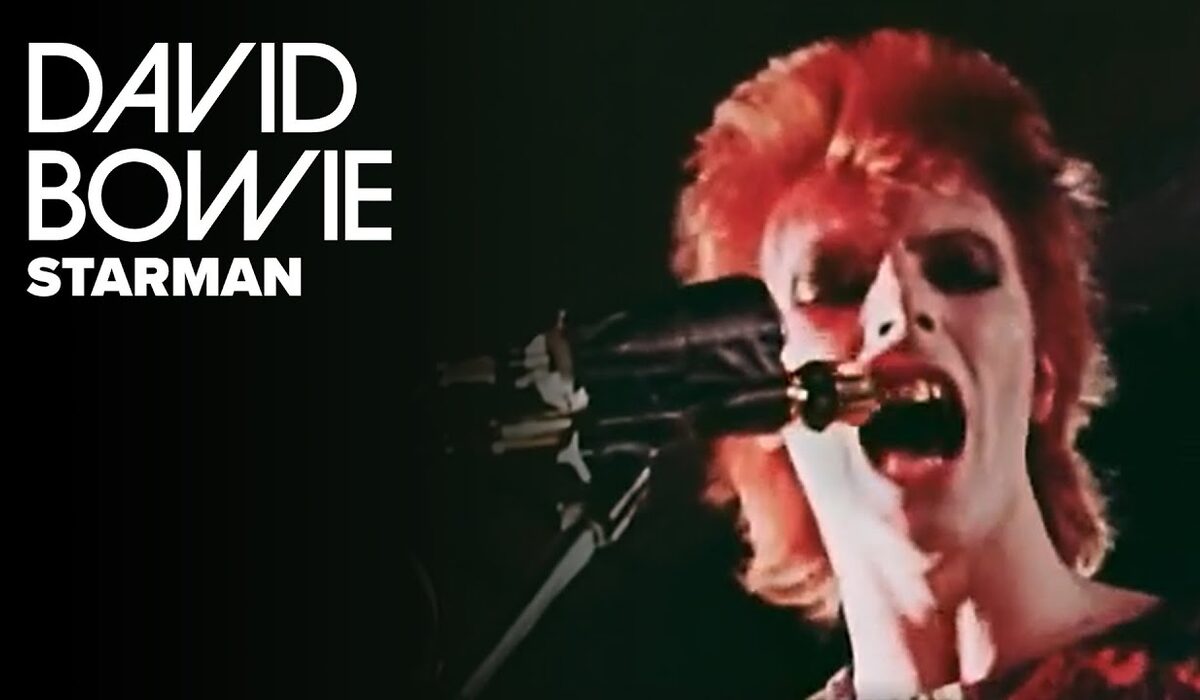
After Ziggy, Bowie could sell out halls and still rewrite himself. Covers, films, and later tours kept the songs alive; Pennebaker filmed the farewell show. The 1972 RCA LP turned a Soho street photo and a Trident band into a chart career. British glam got a story with a start, a middle, and an ending Bowie had planned.


Théo | 8 October 2026
|
Read this and finally understood why critics flipped for The Rise and Fall of Ziggy Stardust and the Spiders from Mars. Might be recency bias but I do not care today.
Jacques | 9 October 2026
|
I still play The Rise and Fall of Ziggy Stardust and the Spiders from Mars front to back. Skipping feels rude. Sharing this in the group chat. Expect chaos.
Hélène | 10 October 2026
|
Put The Rise and Fall of Ziggy Stardust and the Spiders from Mars on while cooking. Burned the onions. Worth it. Coffee got cold while I finished the article. Acceptable.
Fatima | 11 October 2026
|
I need headphones for The Rise and Fall of Ziggy Stardust and the Spiders from Mars. Laptop speakers miss half of it. Coffee got cold while I finished the article. Acceptable. Replay button abused.
Mateo | 12 October 2026
|
Bought The Rise and Fall of Ziggy Stardust and the Spiders from Mars on vinyl last year. Article made me flip it again tonight. Coffee got cold while I finished the article. Acceptable. Ok bye.
Léa | 13 October 2026
|
put The Rise and Fall of Ziggy Stardust and the Spiders from Mars on while cooking. Burned the onions. Worth it.
Maya | 14 October 2026
|
David Bowie really sequenced this one right. Side B still surprises me. Anyway.
Louise | 15 October 2026
|
Bought The Rise and Fall of Ziggy Stardust and the Spiders from Mars on vinyl last year. Article made me flip it again tonight. I told my coworker and they shrugged. Their loss. That is all.
Emma | 15 October 2026
|
Forgot how dark the middle of The Rise and Fall of Ziggy Stardust and the Spiders from Mars gets. Thanks for the reminder. Also the comments section on old forums was wild about this.
Greg | 16 October 2026
|
Gateway album for me. Everything after The Rise and Fall of Ziggy Stardust and the Spiders from Mars made more sense.