
Tony Hoffer, planets, less hurry
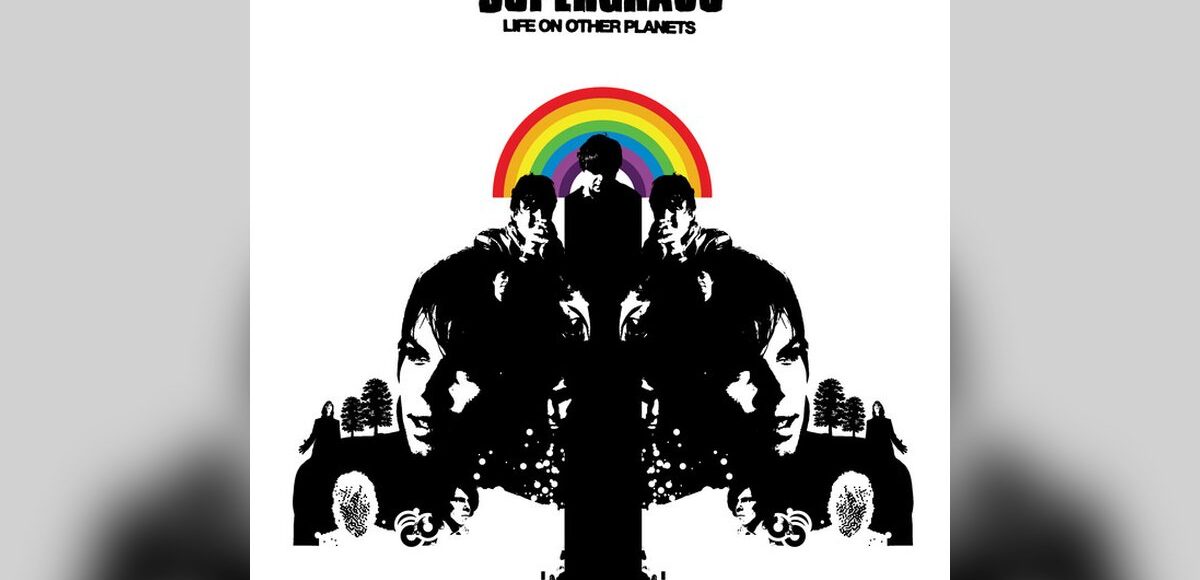
On 30 September 2002, Supergrass released Life on Other Planets on Parlophone, their fourth studio album and the first to list Rob Coombes as an official member. Working titles included Get Lost. Sessions ran from October 2001 to March 2002 across Mayfair, Heliocentric and Rockfield, with American producer Tony Hoffer (Air, Beck) hired to stop the band overthinking after the denser self-titled record. Danny Goffey later said Hoffer kept takes short and sweet and kept the room moving.
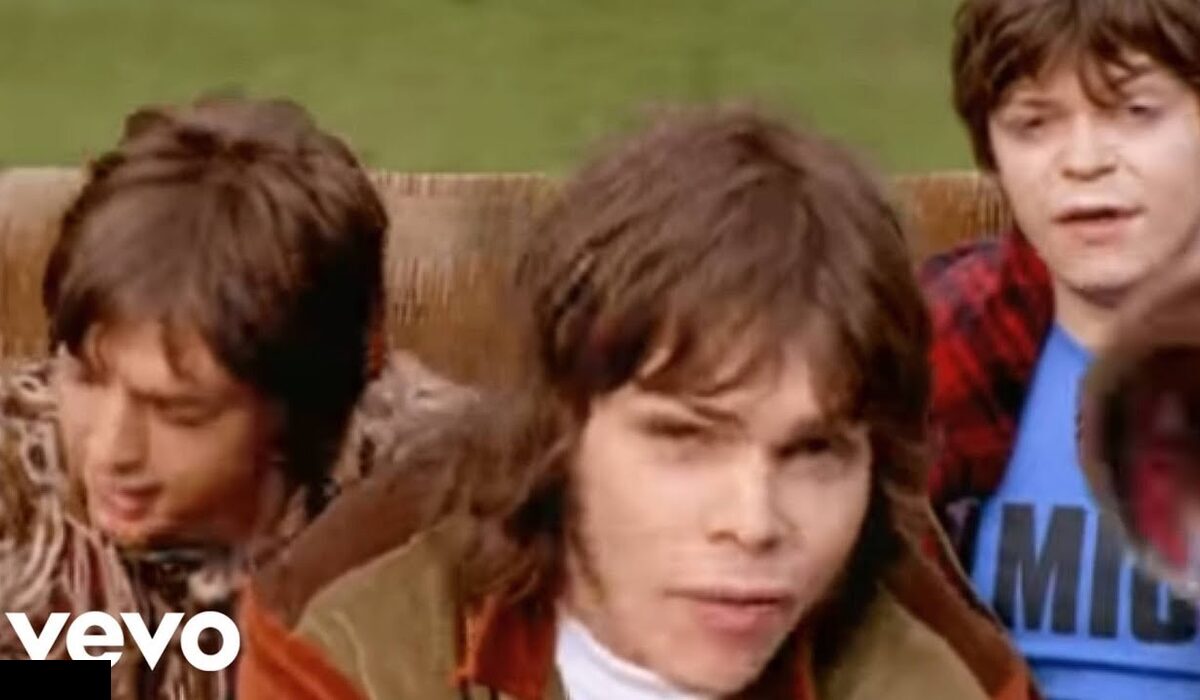
The singles chart the shift. Never Done Nothing Like That Before teased the campaign in July 2002. Grace, issued mid-September, became the radio face of the album: bright, slightly glam, and built for the autumn UK tour that hit Shepherd’s Bush Empire and the usual Academy circuit. Seen the Light followed in January 2003; Rush Hour Soul closed the run in August. The album peaked at UK No.9 and also charted in Australia, France, Ireland and Norway. Mixing credits split between Hoffer, Dave Sardy and the band themselves, which fits a record that wants punch without losing melody.
Sonically this is power-pop Supergrass with space-glam edges. Guitars chime and crunch in the same song; keys color the choruses; tempos stay athletic. Za, Brecon Beacons, and Evening of the Day stretch the palette without abandoning the hook. Where the 1999 self-titled album sometimes felt heavy and analytical, Life on Other Planets aims for forward motion. Hoffer’s outside ear mattered: after producing themselves and John Cornfield, the band needed someone to call time on endless second-guessing.
He helped us keep the takes quite short and sweet. We really didn’t mess around because he kept us moving.
(Danny Goffey on Tony Hoffer, Life on Other Planets)
By 2002 the Britpop label was already a museum tag, and Supergrass answered with a record that still sounded like them without chasing 1995. The rainbow-and-silhouette sleeve underlines the point: playful graphic, not nostalgia paste. The album sits between the X-ray seriousness of 1999 and the rural hush of Road to Rouen three years later.
The useful takeaway is the production choice. Bringing Hoffer in restored urgency on tape, put Rob Coombes on the credits where he belonged, and left a set of songs that still work when Grace hits a playlist. For a band often boxed as eternal teenagers, Life on Other Planets is the sound of adults deciding to move faster again.