

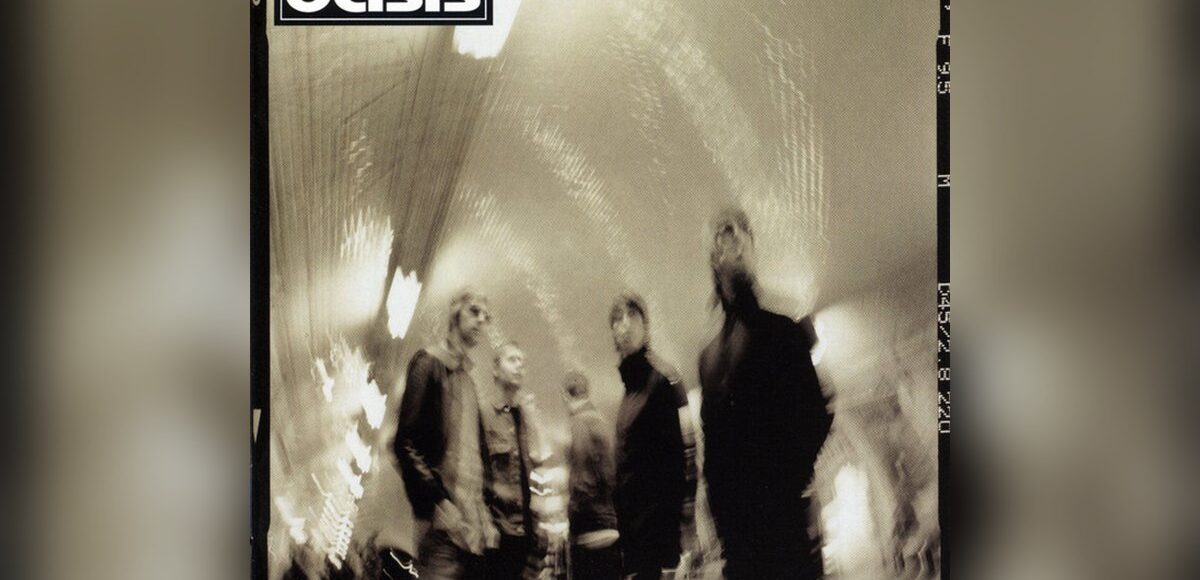
Big Brother, Gem and Andy locked in
Heathen Chemistry landed on 1 July 2002 as Oasis’s fifth studio album on Big Brother Recordings. Sessions ran largely at Wheeler End Studios and Olympic Studios with Noel Gallagher producing alongside the band. Bonehead and Guigsy were gone; Gem Archer (guitar) and Andy Bell (bass) were now full members, and the writing credits finally spread beyond the Gallagher brothers. Liam wrote Songbird, Born on a Different Cloud, and Better Man. Archer and Bell added Hung in a Bad Place and A Quick Peep.
The lead single The Hindu Times opened with a thick, delayed guitar riff and hit UK No. 1 in April 2002. Stop Crying Your Heart Out followed as a piano-led ballad that also topped the chart and later became a staple of football montages and charity sets. Little by Little / She Is Love arrived as a double A-side; Songbird, Liam’s short acoustic love song for Nicole Appleton, closed the single run at UK No. 3. Chart-wise the album debuted at UK No. 1 and went multi-platinum in Britain while still selling solidly abroad after the cooler reception of Standing on the Shoulder of Giants.
Sonically the record sits between Britpop swagger and early-2000s rock radio: dry drums, stacked acoustics, and Noel signs with a clearer mix than the haze of 2000. Force of Nature and Born on a Different Cloud keep a heavier mid-tempo grind; She Is Love and Songbird strip things back. Live, the Heathen Chemistry tour put the new five-piece on arenas and festival bills with these songs sitting beside the 1990s catalogue rather than replacing it. The B-sides and album cuts matter for the era too: Hung in a Bad Place gives Archer a hard-edged guitar feature, while Better Man shows Liam pushing a soul-tinged mid-tempo. Noel still dominates the big choruses, but the shared credits change how the band presents itself in interviews: less two brothers versus the world, more a working five-piece after years of attrition.
By the end of 2002 the singles had done the commercial repair work: four UK Top 3 hits from one album cycle, including two No. 1s. That run reopened daytime radio for Oasis after the cooler reception of 2000 and set expectations for Don’t Believe the Truth three years later.
I wanted to write songs that people could sing along to in the pubs and football grounds again.
(Noel Gallagher on Heathen Chemistry, NME / press cycle, 2002)
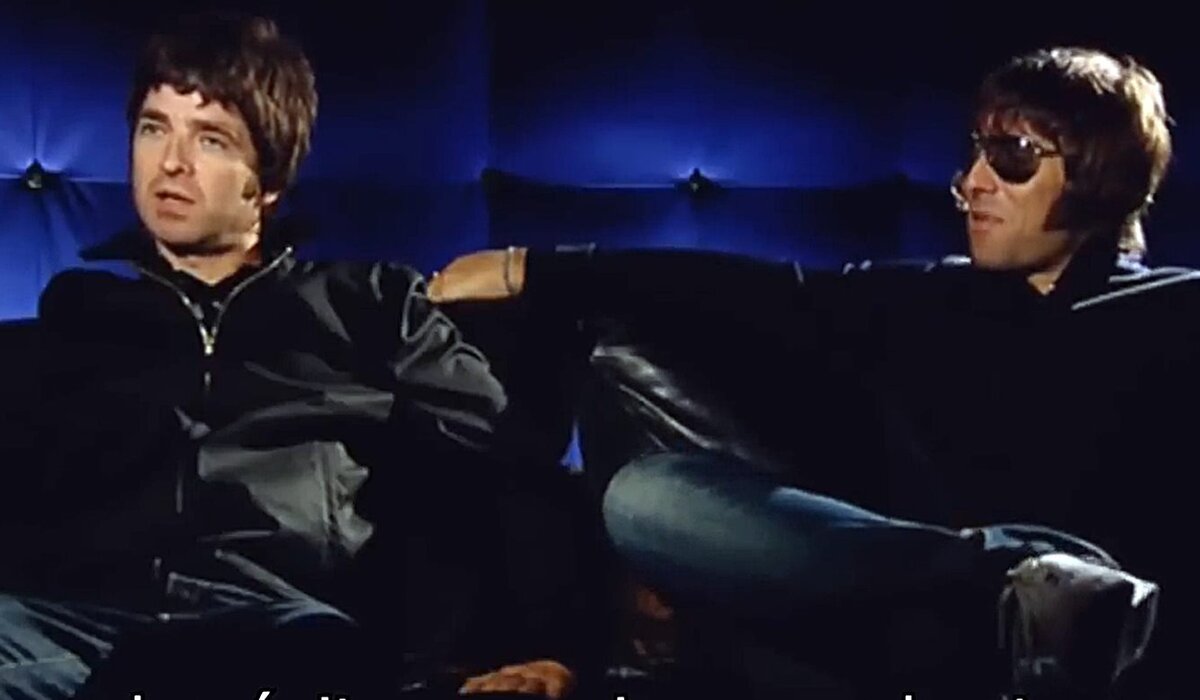
Critics were mixed, praising the singles while noting filler in the middle stretch, but radio and chart numbers told another story. Stop Crying Your Heart Out outlived the album cycle as a communal singalong; Songbird proved Liam could carry a hit without Noel’s byline. The Archer/Bell era was locked: two more studio albums would follow before the 2009 split.
For Oasis, Heathen Chemistry is the reset after the experimental turn of 2000, a commercial rebound that put big choruses back on UK daytime radio and fixed the post-Britpop line-up in public memory.