

December 2015 single: Magic Shop band, off-Broadway musical, Renck’s bed video
Lazarus is the third track on David Bowie’s Blackstar and the album’s second single, issued as a digital download on 17 December 2015 (ISO/Columbia). The album version runs about 6:22; the video edit is shorter. Same New York team as the title track: Donny McCaslin’s group, Tony Visconti producing, Magic Shop and Human Worldwide rooms. The song also anchors Bowie’s off-Broadway musical Lazarus, developed with Enda Walsh from The Man Who Fell to Earth. From the first line you are already upstairs: heaven, scars, a dropped phone. Guitar and sax push a mid-tempo rock frame while Bowie’s vocal stays intimate enough for a stage monologue and a hospital room at once.
Compared with the ten-minute mosaic of Blackstar, Lazarus behaves more like a single that still refuses verse-chorus comfort. The band locks a clear pulse; McCaslin’s saxophone colours the edges; the lyric keeps returning to looking up and leaving. It is less cryptic collage than a character speaking from a high place, which is why it transferred so cleanly to the musical and to radio playlists after the news broke. You can hum the contour after one listen and still feel the arrangement leave space around the voice.
Johan Renck shot the video in Brooklyn in November 2015: Bowie in the button-eyed bandage on a hospital bed, then at a desk writing. The clip went public on 7 January 2016, one day before the album and three days before Bowie’s death. Renck later said the process felt unmatched; listeners heard the song as farewell once the news landed. As Bowie’s last single released in his lifetime, Lazarus carries a weight the December 2015 premiere could not advertise. On the album it sits after the title epic as the clearest vocal statement of the cycle.
Look up here, I’m in heaven.
(Opening lyric, Lazarus, Blackstar, ISO/Columbia, 2016)
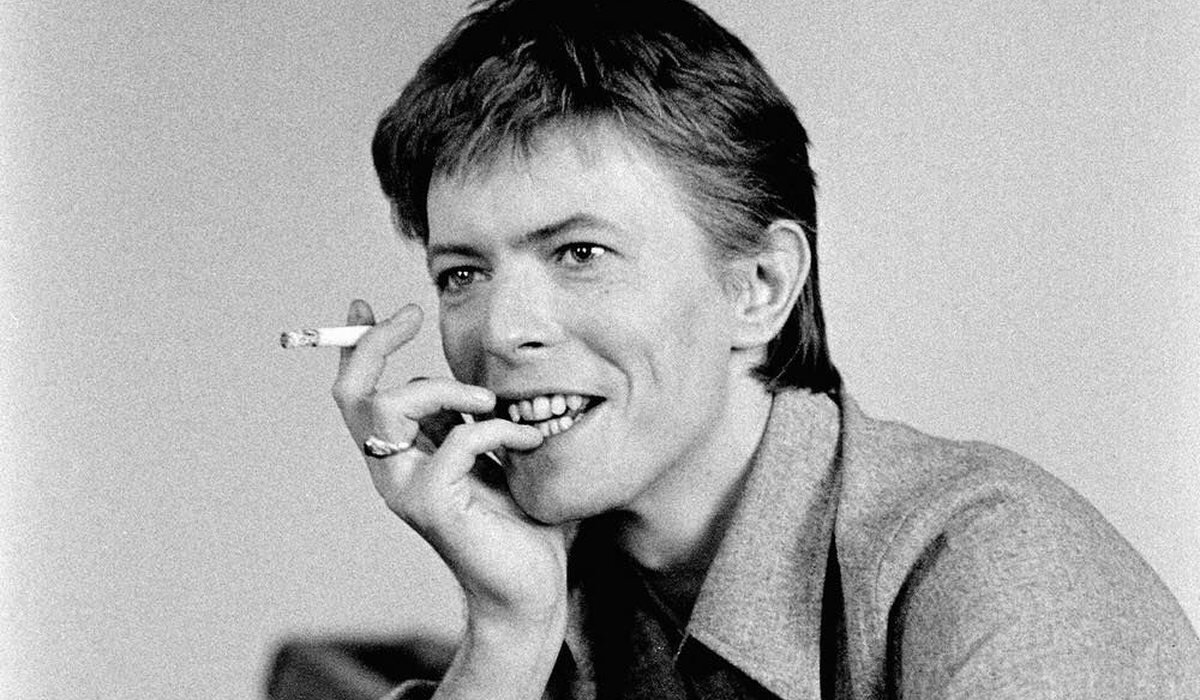
Stage character, sickbed image, and a Magic Shop band that keeps playing while the writer finishes the page: that triad is why the track still opens retrospectives of Bowie’s final year. It does not need the ten-minute architecture of the title song. It needs the first-person climb and a video that refused soft lighting.
Look up here. The rest of the record does the explaining. Press play for the opening line alone, then stay for how the guitar and sax refuse to turn a farewell into a ballad template. That mid-tempo stubbornness is the reason Lazarus still feels like a door, not a curtain call.