
Abbey Road, Spector’s rise, a Beatles reject
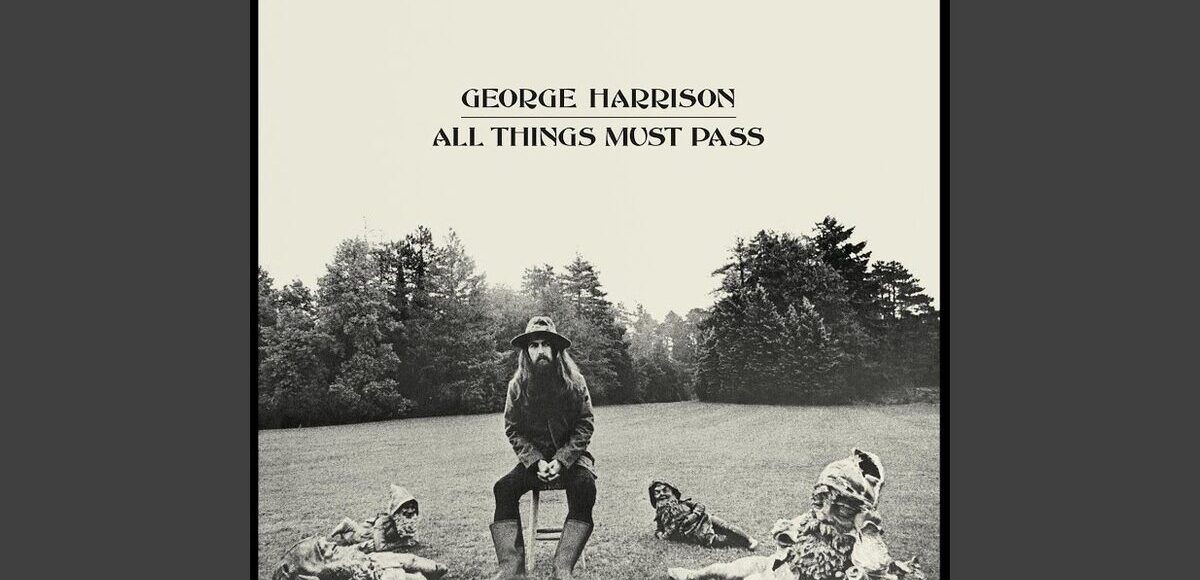
In November 1970 George Harrison put Isn’t It A Pity near the heart of All Things Must Pass: seven patient minutes about how people bruise each other without noticing. He had written it years earlier, during the Beatles years, and watched it get sidelined. After the split he walked into Abbey Road and Trident with Phil Spector and a room of friends: Ringo Starr, Eric Clapton, Klaus Voormann, Billy Preston, Bobby Whitlock and more of that loose Apple circle.
Spector’s Wall of Sound does not shout here. It rises. Acoustic guitars lock a slow pulse. Slide lines weep without hurry. Choir and brass arrive like weather, not fireworks. Version 1 on the album stretches past seven minutes; Version 2 closes the set with a different arrangement. The patience is the point: Harrison finally gives the song the room the Beatles never did.
What keeps you listening is the generosity inside the sorrow. The lyric is plain, almost conversational, yet the arrangement keeps opening new layers so the pity never feels thin. You hear a guitarist who had waited his turn, then spent it on a hymn instead of a revenge note.
Isn’t it a pity, isn’t it a shame, how we break each other’s hearts, and cause each other pain.
(George Harrison, Isn’t It A Pity, 1970)
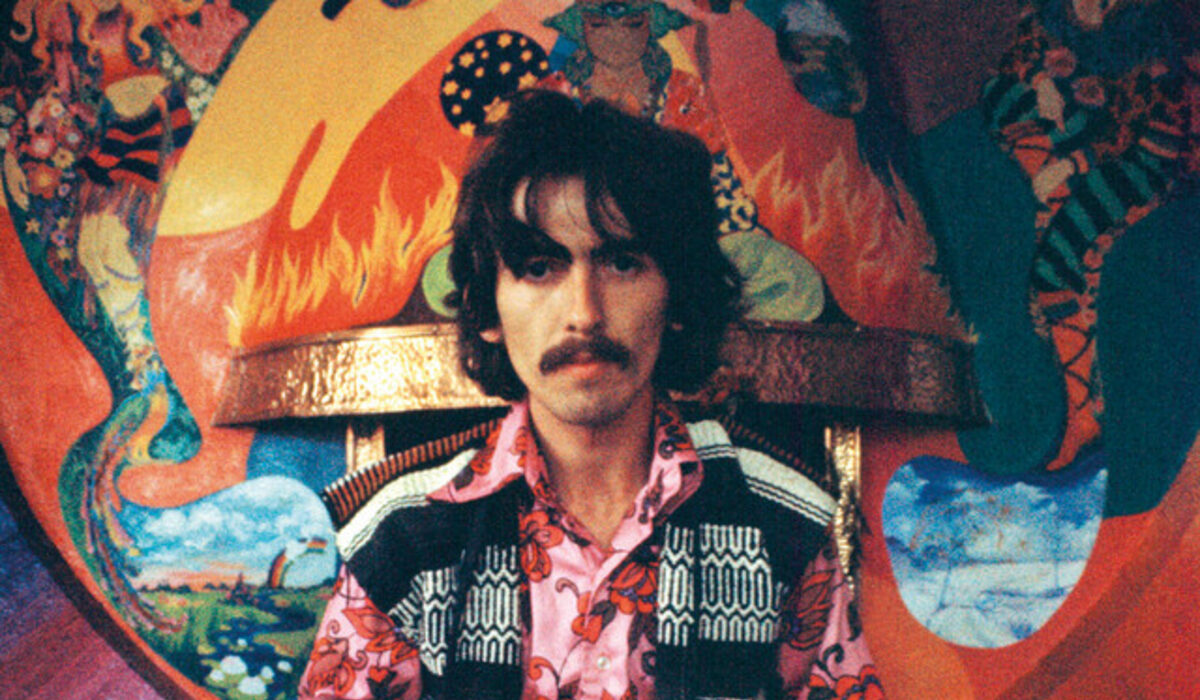
On All Things Must Pass the track sits as proof that Harrison’s solo debut was not a leftover bin: it was a cathedral of songs that had been waiting. Covers and live readings kept returning to that slow climb. Put Version 1 on when you want Spector’s cloud without the noise of a hit single: seven minutes that earn every bar.
Isn’t It A Pity still works because it never rushes the bruise. Harrison names the shame, then lets the slide and choir do the rest. That is why the Beatles’ rejection now reads like a gift to the solo catalog.