A silver sleeve, a BBC ban, and a blank on the chart
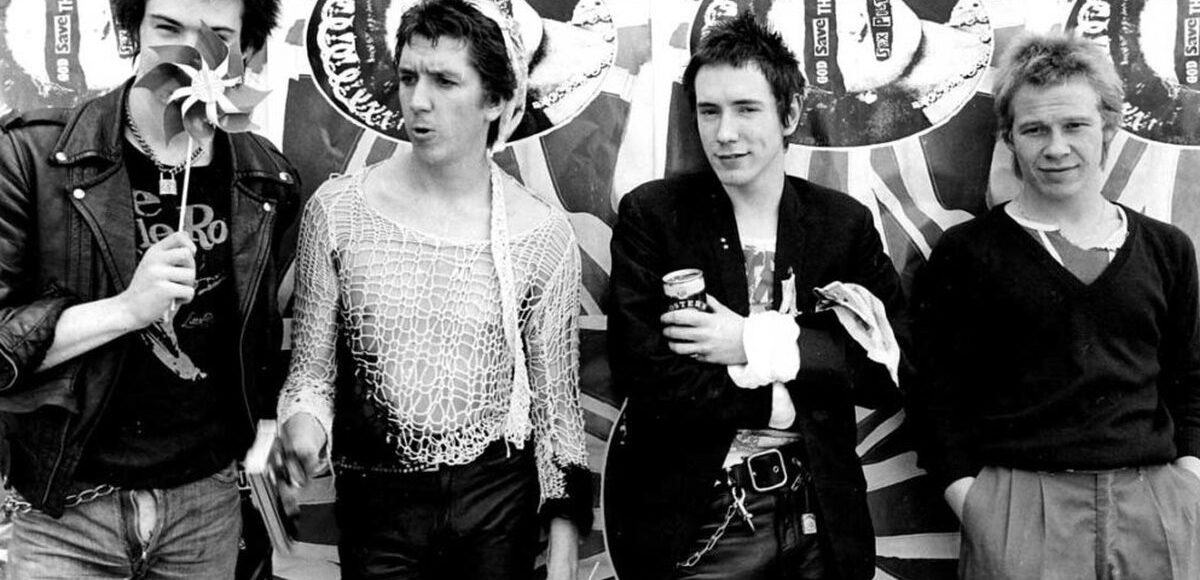
The song is not born in Jubilee week. Written in 1976 as No Future, it was meant to come out in March 1977 on A&M. The label drops the band after ten days. A few A&M pressings survive and become expensive. Virgin puts the single out on 27 May 1977, catalogue VS181, a blue and silver sleeve in the colors of the Silver Jubilee, Jamie Reid’s queen with a safety pin through the lip. The B-side is Did You No Wrong. It was recorded in March 1977 at Wessex in London, Chris Thomas producing, Bill Price engineering. Vocals are Johnny Rotten. Guitar and bass are Steve Jones. Drums are Paul Cook. Sid Vicious has replaced Glen Matlock by then and does not play on the finished track. The writing credit still includes Matlock, who was in the band when the song was built.
The lyric calls the monarchy a fascist regime and the queen no human being, then repeats that there is no future in England’s dreaming. On 31 May the BBC bans it. Radio 2 controller Charles McLelland calls it gross bad taste. Shops including Woolworths will not stock it. Labour MP Marcus Lipton says that if pop is going to be used to destroy established institutions, it ought to be destroyed first. None of that stops the shops that do carry it. The single enters the official chart on 4 June 1977 and peaks at number 2 on 11 June, behind Rod Stewart’s I Don’t Want to Talk About It. It stays on the chart nine weeks. Malcolm McLaren and the band insist the chart has been fixed, that sales from Virgin shops were kept out, that they outsold Stewart. The official peak remains 2. For a fortnight the record is both everywhere and, on some printed charts, a blank where the title should be.
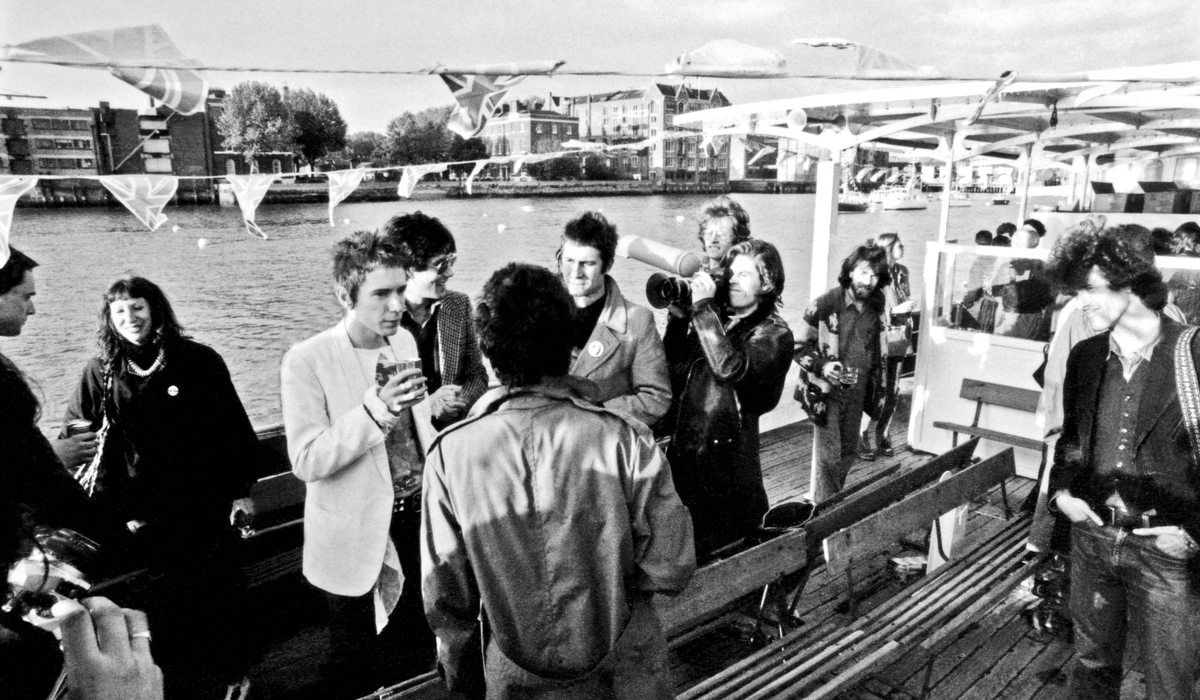
On 7 June, Jubilee week, the band plays a short set on a boat, the Queen Elizabeth, on the Thames in sight of the Houses of Parliament. Anarchy in the U.K. and God Save the Queen are in it. Police board. McLaren is among those arrested. The band is not. Julien Temple films them. The river footage becomes the picture people attach to the single, later recut by Temple. The record itself is the March Wessex take: Jones’s guitar in stacked overdubs, Cook’s snare, Rotten delivering the chorus like a football chant and a threat at the same time.
You don’t write God Save the Queen because you hate the English race. You write a song like that because you love them, and you’re fed up with them being mistreated.
(John Lydon)
The chart does the opposite of the myth. Never Mind the Bollocks, Here’s the Sex Pistols, released on 28 October 1977, puts the single back in an album and goes to number one. Paul Cook later calls God Save the Queen the pinnacle, and says it all went sour after that. The American tour and the Winterland ending in January 1978 are the sour part. The single is the peak: one song, one ban, one boat, one number 2 the country argued about more than the number 1.
The recording to play is the 1977 Virgin master, not a later remaster campaign. Jones’s bass, because Sid is not on it. The chorus, because the ban was about those lines. If you want the day itself, the Thames footage is the document. The song is shorter than its legend, which is why it still works: three minutes, a stolen anthem title, and a chart place the papers did not want to print.