




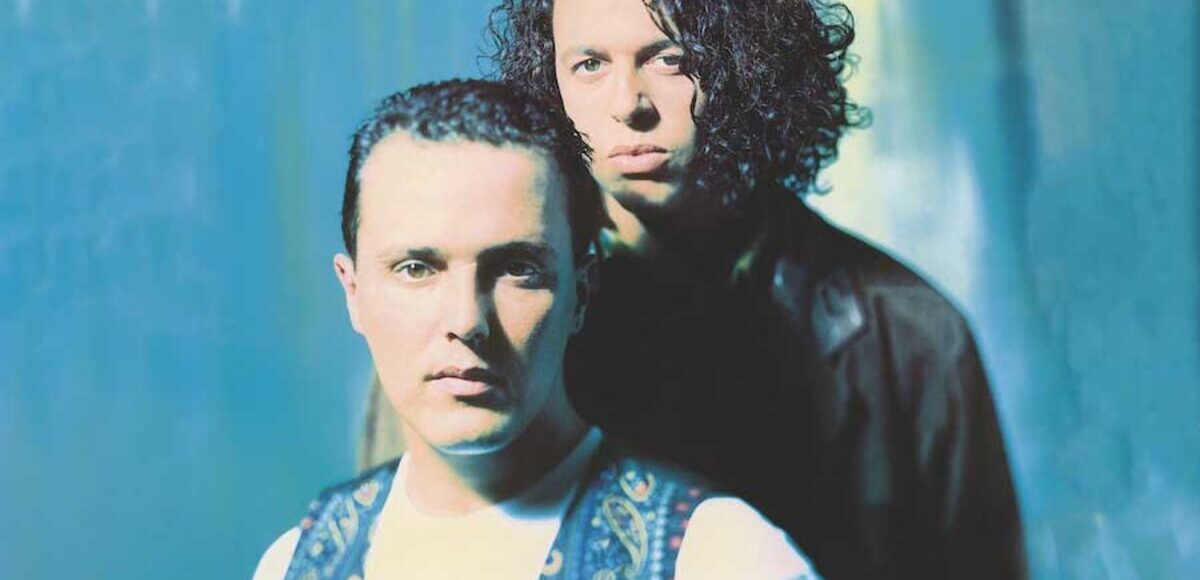
A hotel piano in 1985, a duet at the Townhouse in 1988
In August 1985, on a two-night stop in Kansas City during the Big Chair tour, keyboardist Ian Stanley heard Oleta Adams playing piano with a bass player and a drummer at the Peppercorn Duck Club in the Hyatt. The next night Roland Orzabal and Curt Smith went back. They were tired of the same set and a Revox tape machine on stage. Adams was singing to her own crowd in a hotel bar. They asked her to work on the next record. It took until February 1988 for the sessions to start.
On 8 and 9 February 1988 Adams met Orzabal, drummer Manu Katché and bassist Pino Palladino at Townhouse Studios in London to demo Woman in Chains and other songs. Dave Bascombe recorded the dates straight to DAT: no overdubs, take after take. He later said it was astounding to watch, and that he had doubted the loose format. Those tapes stayed with Orzabal until The Seeds of Love box in 2020. The finished album track is a different construction, but the duet starts in that room. Orzabal and Adams trade the line. Her piano and voice answer his. The introduction sits on a low bass figure for nearly a minute before either of them sings.
Fontana released the single on 6 November 1989, six weeks after the album. The album cut runs 6:30. Orzabal sings and plays keyboards, Fairlight and guitar. Adams sings and plays keyboards. Neil Taylor adds a guitar arpeggio. Palladino plays bass. Luís Jardim adds percussion. Tessa Niles and Carol Kenyon sing backing vocals. The drums are split down the middle of the track: Katché from the top to about 3:32, then Phil Collins. Collins has said the band wanted the gated entrance from In the Air Tonight, and that he refused to copy himself. He played something else. Mixer Bob Clearmountain later said the fill that landed was pieced together from several of Collins’s takes. Producers on the credit are Tears for Fears and Bascombe.
It was really about my mother. At one point in her life she was a stripper. My father and she ran an entertainment agency from a council house in Portsmouth. So she would go out to strip, and my father would send a driver out with her to spy on her. If she talked to another man, when she came back he would beat her up. So it’s about domestic abuse.
(Roland Orzabal, Prog, 2021)
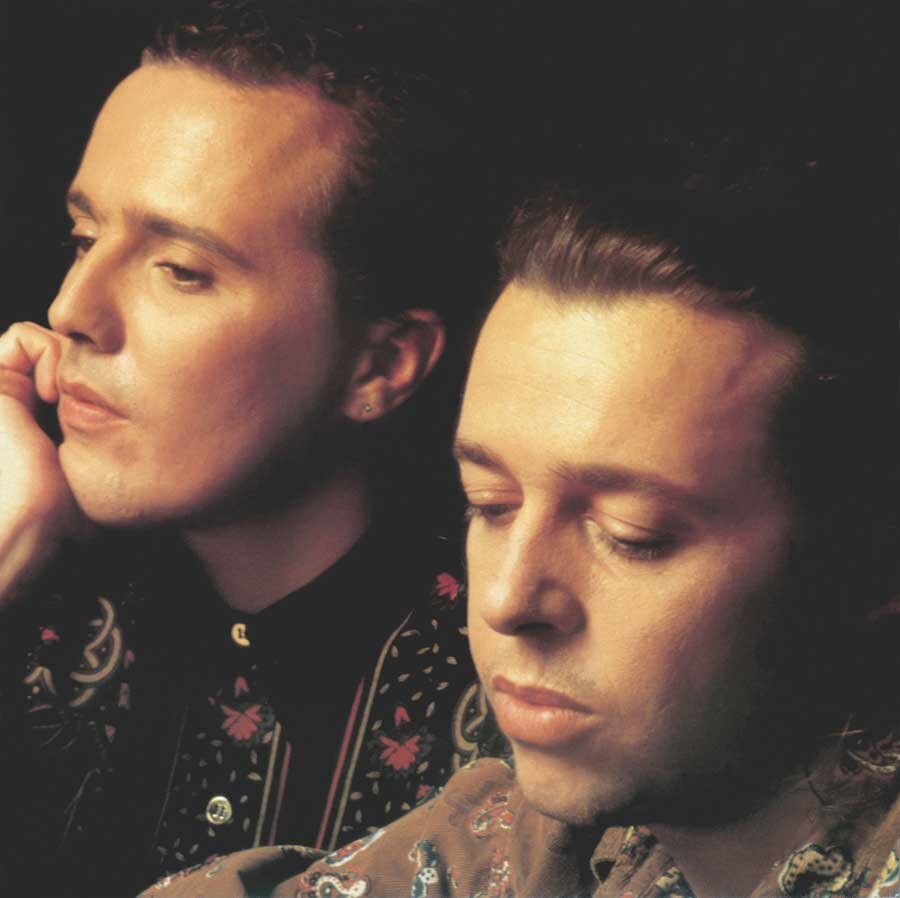
Orzabal told Melody Maker he had been reading feminist writing about societies that were not built with a man at the top, and that the song was also about men playing down the feminine side of their own character. Both men and women, he said, pay for that. The “feminist anthem” tag that stuck to the single is a fair reading of the lyric. The domestic fact he named later is sharper, and it sits under the same chorus.
The Seeds of Love entered the UK album chart at No. 1 in September 1989. Woman in Chains then reached No. 26 in Britain, No. 36 on the Billboard Hot 100, No. 11 in Canada, No. 20 in France and No. 12 on the Dutch Top 40. Andy Morahan’s video is black and white: a boxer and a pole dancer, played by Angela Alvarado, cut against the band and Adams performing. Chris Hughes appears on the drums in the clip, even though Collins plays the second half of the record. In 1992 the single was reissued, now billed as Tears for Fears featuring Oleta Adams, to push the compilation Tears Roll Down. It made No. 57. Adams’s own Circle of One, with the band involved, turned the Kansas booking into a solo career. Get Here was her hit. Woman in Chains is the door: a slow duet, a bass that waits, and a drummer who was asked to repeat a famous fill and declined.
Rita | 12 October 2026
|
I always skip to Woman In Chains on the album. Guilty. Coffee got cold while I finished the article. Acceptable.
Carmen | 12 October 2026
|
This is the track I put on to test new speakers. Oleta Adams never lies. Coffee got cold while I finished the article. Acceptable.
Marc G. | 13 October 2026
|
Ok but who else puts Woman In Chains on at 1am and feels seen?
Louise | 14 October 2026
|
I show Woman In Chains to friends who say they hate that era. Works every time. Just saying.
Ben | 14 October 2026
|
My dad played Oleta Adams in the car. Woman In Chains is basically my childhood commute.
Mike B. | 15 October 2026
|
Heard Woman In Chains a thousand times. This reminded me why it stuck. That is all.
Maya | 16 October 2026
|
Still puts Woman In Chains on whenever I need a reset. Never gets old. Sharing this in the group chat. Expect chaos. Ok bye.