




Essex studio first, then a camera kept off daytime TV
By the spring of 1996, The Prodigy were no longer a rave act that rock magazines could ignore. “Firestarter” had gone to No. 1 in Britain. Keith Flint, with two dyed spikes of hair and a shout in an underpass, was on the news. Liam Howlett then made The Fat of the Land mostly at Earthbound, his own studio in Braintree, Essex. XL Recordings released the album in the UK on 30 June 1997. Maverick put it out in the United States the next day. It entered at No. 1 in both countries.
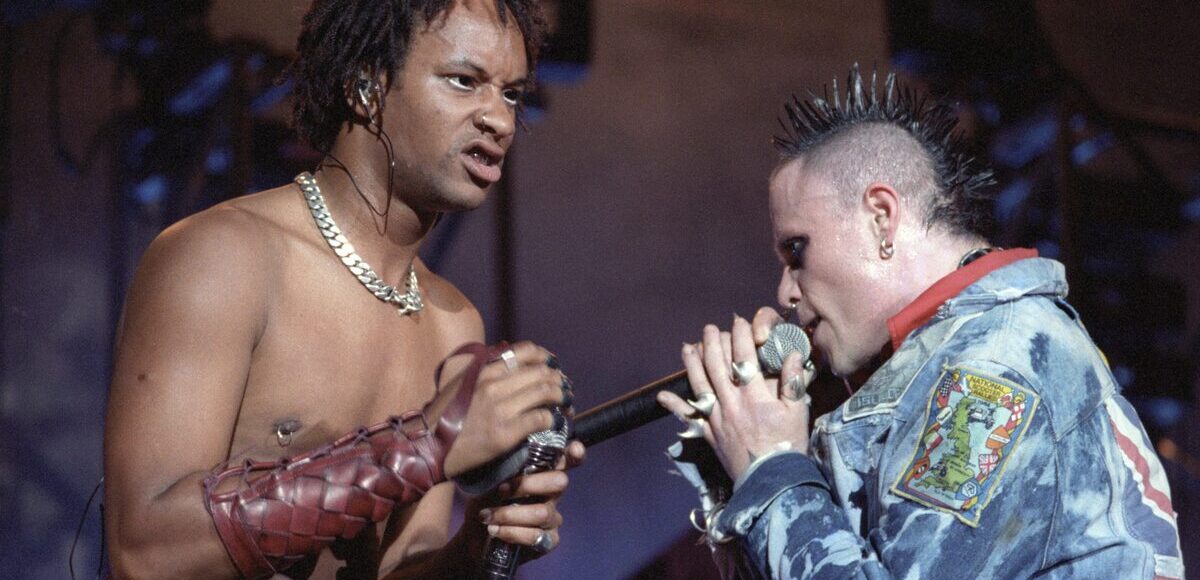
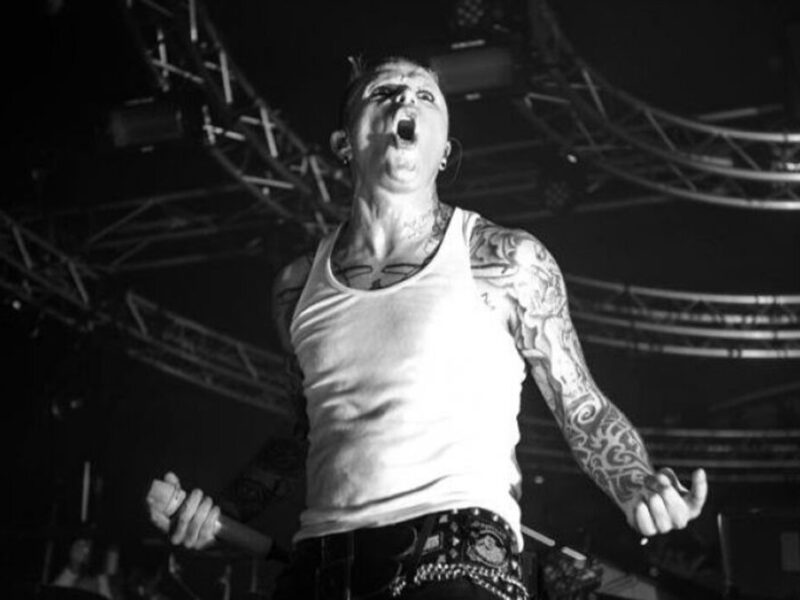
“Smack My Bitch Up” sits on that album and came out as a single in November 1997. It reached No. 8 in the UK. Howlett produced it and programmed it. The title phrase is a sample from “Give the Drummer Some” by Ultramagnetic MCs, a 1988 hip-hop record. The wordless sung line is Shahin Badar, recorded for this track, not lifted from an old film. Under those two voices the drums run fast and the bass figure repeats. Flint and Maxim Reality were the voices and faces on stage. Leeroy Thornhill danced. Howlett stayed with the machines. The single is his construction.
The video, directed by Jonas Åkerlund, is shot as if the camera were someone’s eyes on a night out in London: drink, drugs, a fight, sex, and a last shot that shows who has been holding the camera. MTV would not play it in the daytime. The record was already in the shops. Howlett told interviewers the title used a slang phrase for doing something to excess, not a set of instructions. That explanation did not stop women’s groups, or parts of the press, from hearing the words as they stand. Both things are part of the release: the slang defence, and the plain reading that got the clip restricted.
We come from the rave scene from when people didn’t even know what that was. Press could not touch it. It took them five years to get a picture of a guy in a hooded top and think they knew about it.
(Keith Flint, on the press and the rave years)
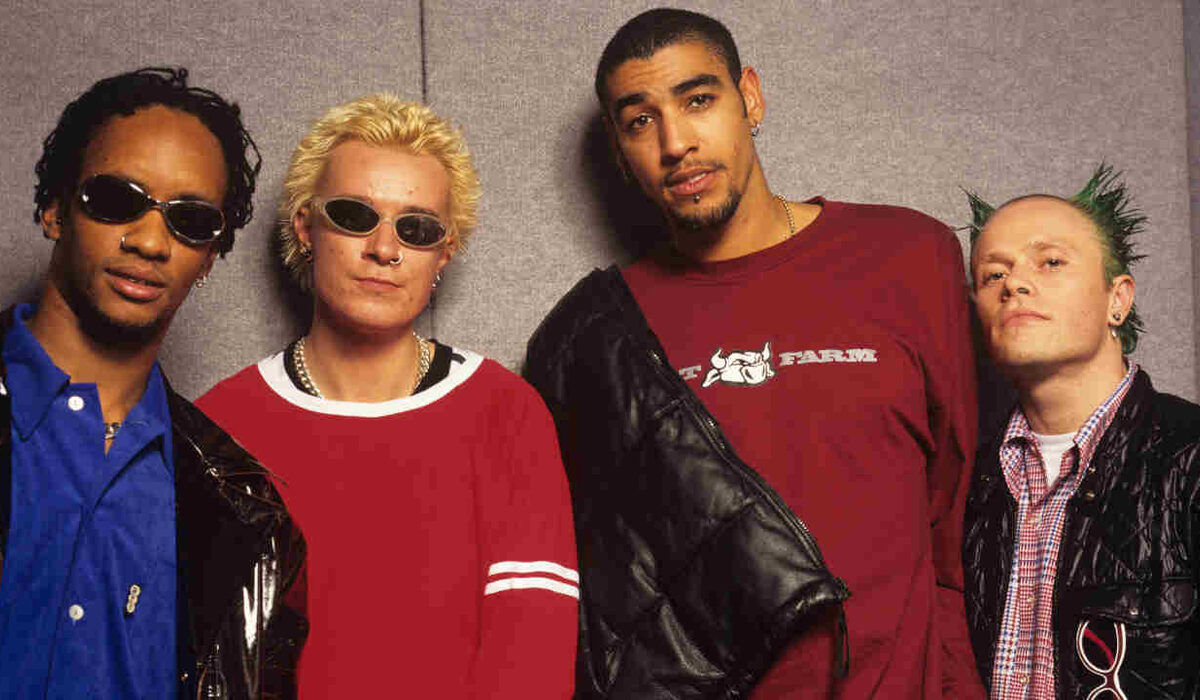
Flint’s point was about timing. The group had been playing warehouses for years before “Firestarter” gave newspapers a face. “Smack My Bitch Up” arrived when that face was already famous, so the argument was louder than it would have been in 1992. The music did not change to meet the argument. The single is still the Essex recording: a sampled sentence, Badar’s voice, and a drum track built to fill a large room.
Listeners who want the album’s run of hits usually enter through “Firestarter” and “Breathe,” then this track. It is the one that shows how far Howlett would push a phrase, and how quickly a video could be pulled from ordinary broadcast, while the record itself stayed on The Fat of the Land and on the chart.

Diego | 10 October 2026
|
Read this, then put Smack My Bitch Up on loud. That was the move. Sharing this in the group chat. Expect chaos.
Rosa | 11 October 2026
|
Bass line on Smack My Bitch Up is the whole argument. Rest is decoration. Might be recency bias but I do not care today. Ok bye.
Maya | 11 October 2026
|
The production notes here made me replay Smack My Bitch Up twice. Nice catch. Sharing this in the group chat. Expect chaos.
Amy | 12 October 2026
|
My dad played The Prodigy in the car. Smack My Bitch Up is basically my childhood commute. I told my coworker and they shrugged. Their loss.
Dan | 13 October 2026
|
First time I heard Smack My Bitch Up was on a burned CD. Still got the scratches in my head. Ok bye.
Inés | 14 October 2026
|
Cool. Now I want the deep cuts around Smack My Bitch Up too. Needed that.
Jacques | 15 October 2026
|
Radio killed Smack My Bitch Up for me for years. Came back last month. Instant regret for waiting. Sharing this in the group chat. Expect chaos. Needed that.
Sam W. | 16 October 2026
|
Heard Smack My Bitch Up a thousand times. This reminded me why it stuck. I am biased and fine with it.