




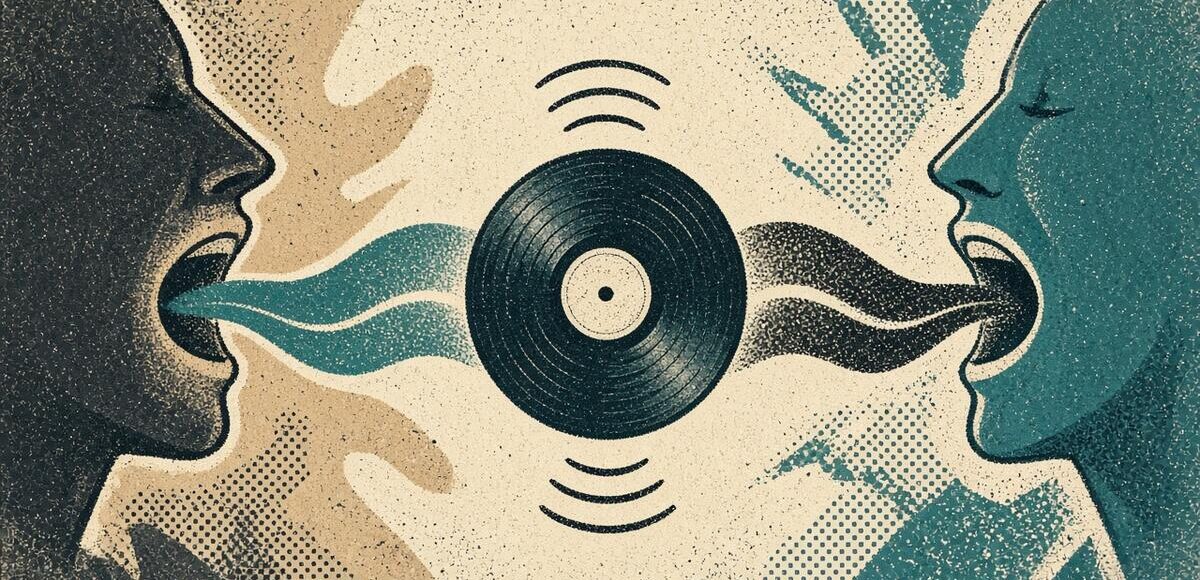
When a second voice takes a song further than the writer — is that triumph, or theft of glory?
Popular music is full of songs that escaped their first recording. All Along the Watchtower, Respect, Hallelujah, I Will Always Love You: for many listeners the famous version is not the debut. Covers keep catalogues alive and introduce writers to new decades. The debate starts when someone claims the remake is simply better.
The originals camp says authorship and first context matter. The writer’s phrasing, the band that cut the demo, the moment the song entered the world — that is the document. A later hit can be brilliant marketing or a great performance without replacing the source. Purists want credit and listening time to stay with the origin.
The covers camp says songs are blueprints. Arrangements, tempo, genre and voice can reveal a lyric the first take only sketched. Aretha Franklin did not write Respect; she made it a civil and musical landmark. Jimi Hendrix stretched Dylan until the song felt electric. For this side, the best version is the one that moves people now.
Streaming credits, sample culture and tribute tours keep the question practical: who gets paid, who gets remembered, which take lands on a wedding playlist. Listeners also split on etiquette — note-for-note karaoke versus radical reinvention.
Can a cover outshine the original for you, or does the first voice always keep the crown? Name one pair of versions and say which side wins — and why.

Tom H. | 6 September 2026
|
Johnny Cash’s Hurt didn’t erase Nine Inch Nails. It opened a second door. Covers can sit next to the original.
Claire D. | 16 September 2026
|
Most covers are karaoke with a budget. The rare ones that reframe a song? Those earn the debate.
Omar F. | 26 September 2026
|
If a cover “beats” the original, usually the original already left space. Credit both.
Alex P. | 27 September 2026
|
Originals build identity. Covers build conversation. A healthy scene needs both.
Ben T. | 28 September 2026
|
My wedding song was a cover. Nobody cared about “authenticity” when people danced.
Chris O. | 5 October 2026
|
Teaching songwriting: I make students cover something badly on purpose, then write original from what broke.
Nina K. | 6 October 2026
|
tiktok covers scare me but sometimes a kid with a phone finds a melody adults forgot
Ruth A. | 8 October 2026
|
All Along the Watchtower. Dylan’s first take, Hendrix’s loud version. History kept both.
Dan | 10 October 2026
|
Forced pick: covers can surpass. Music isn’t a museum.
Nate Y. | 10 October 2026
|
Purists miss out. Some of my favourite moments are someone brave enough to risk looking foolish.
Zoé | 11 October 2026
|
Country writers know covers keep tables fed. I’m soft on remakes.
Chris | 12 October 2026
|
Modern R&B covers of rock songs sometimes slap harder. Case by case, lean cover.
Marie-Claire | 12 October 2026
|
Tribute tours pay rent. Doesn’t mean they outshine. Originals.
Bruno | 13 October 2026
|
My wedding used a cover and half the room didn’t know. Doesn’t make it better, just louder.
Mike B. | 14 October 2026
|
Soft on remakes until they copycat the arrangement. Then it’s lazy.
Jules M. | 14 October 2026
|
All Along the Watchtower: I forget Dylan wrote it half the time. Covers can overwrite.
Harold | 14 October 2026
|
Gateway ≠ better. Cohen’s phrasing still cuts deeper for me.
Nina Bass | 14 October 2026
|
Overwrite isn’t always fair to the writer. Still love the Hendrix take. Conflicted.
Carmen | 14 October 2026
|
If a cover reveals a lyric I missed, it wins that night.
Elena N. | 14 October 2026
|
My band only plays originals because covers expose you. Respect to both.
Priya N. | 14 October 2026
|
Whitney’s I Will Always Love You vs Dolly: different engines, same chassis. Both drive.
Rita | 14 October 2026
|
Songs are plans you can rebuild. Best versions win. Covers.
Sara | 14 October 2026
|
First recordings smell like the room they were made in. I chase that.
Alex | 14 October 2026
|
Whitney’s I Will Always Love You is the one most people mean. That’s power.
Mateo | 14 October 2026
|
Streaming credits finally show who wrote it. That pulls me back to originals.
Sofi | 15 October 2026
|
Fair. I needed Buckley to find Cohen. Then I stayed with Cohen.
Ben | 15 October 2026
|
Jeff Buckley’s Hallelujah taught a generation. Cover as gateway.
Pierre | 15 October 2026
|
Purist here. First voice owns the emotional copyright in my head.
Paulo | 15 October 2026
|
Karaoke note-for-note covers? No. Reinvention covers? Yes.
Chloé | 15 October 2026
|
I always go back to the writer’s first take. Context is the document.
Emma | 15 October 2026
|
Hendrix stretched Dylan until the original felt like a sketch. Cover camp.
Bea | 16 October 2026
|
Aretha’s Respect ends this. Covers can crown a song.