





1981 Sheffield synth-pop: Oakey, Sulley, Catherall, Don’t You Want Me
The Human League released Dare in the UK on 16 October 1981 on Virgin, after a messy split that could have ended the band. Founding members Martyn Ware and Ian Craig Marsh left to form Heaven 17, leaving Phil Oakey to rebuild. He recruited teenagers Susan Ann Sulley and Joanne Catherall, spotted on a Sheffield dance floor, kept Philip Adrian Wright on slides and occasional synthesisers, added Ian Burden on keys, then Jo Callis (ex-Rezillos) in April 1981. Producer Martin Rushent moved the sessions from Sheffield’s shared Monumental Studios to his Genetic Studios in Reading. Between March and September 1981 they turned demos into a clear, sequenced pop album built on Roland gear, LinnDrum programming, and hooks that daytime radio could play. Sulley and Catherall postponed university plans to finish the record.
The opener The Things That Dreams Are Made Of lists consumer pleasures over bright synthetic bounce. Open Your Heart and The Sound of the Crowd show a dance pulse with British reserve; the latter had already been a UK Top 20 single that spring after Rushent’s first Genetic results. Love Action (I Believe in Love) climbed to number 3 in August and confirmed the new lineup could sell without the founding pair. Rushent’s production kept every part audible: drums tight, synth lines interlocking, Oakey’s baritone and the two women’s voices upfront. The tracks were made on machines, and they still sold on the drama between the singers. Closing track Don’t You Want Me, a duet narrative about fame and resentment that Oakey called the album’s weakest cut, was pushed by Virgin executive Simon Draper as a fourth single against Oakey’s protests.
That decision remade the year. Released in late November with a Steve Barron video, Don’t You Want Me became the UK Christmas number 1 for 1981, held the top for five weeks, and later topped the US Billboard Hot 100. Dare itself reached number 1 on the UK Albums Chart (first charting 24 October, peaking the following week, then returning to number 1 in early 1982) and went on to triple platinum status in Britain. The sleeve photography by Brian Aris fixed Oakey’s asymmetric hair and the two women as a visual brand as much as a vocal one. Heaven 17 kept the other half of the original electronic experiment. Dare went to the mainstream.
The Human League have made a record that sounds like the future, brilliant, cold, and utterly original.
(Mark Ellen, Smash Hits, 1981)
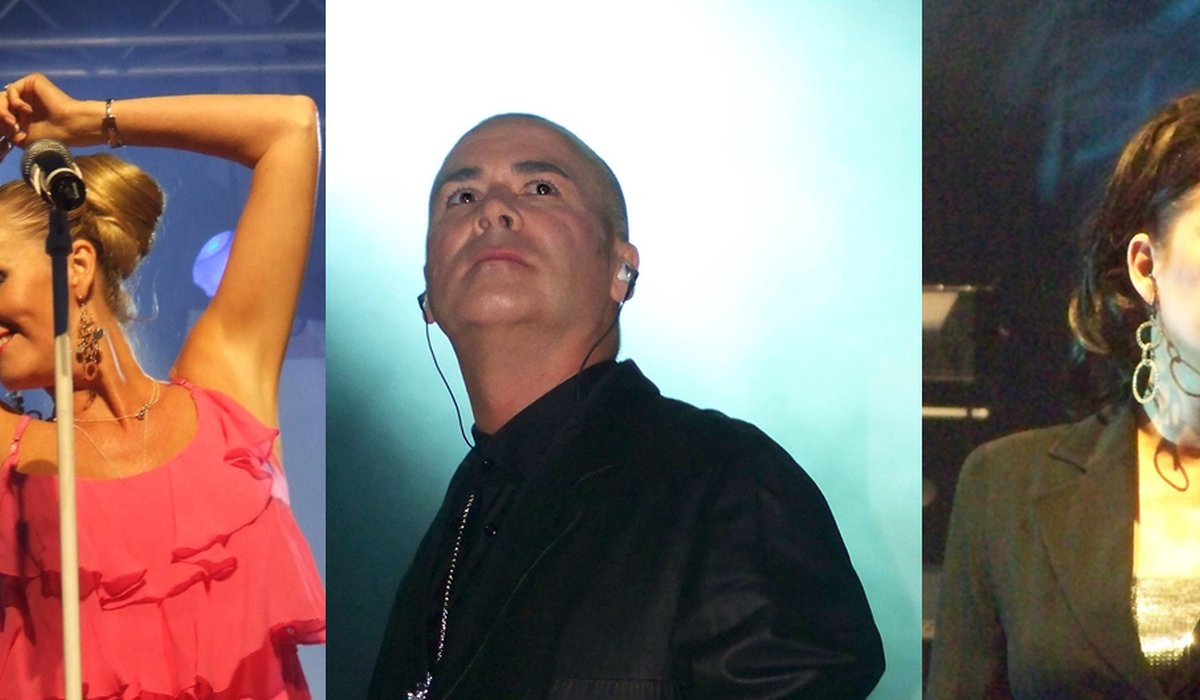
Dare became a template for UK synth-pop’s chart takeover and for Oakey’s image-led League. Writers later tied Don’t You Want Me to the Second British Invasion on American MTV. After the split, the rescue turned into multi-platinum proof that synthesisers could hold Christmas number ones, and into a production model that Rushent-era acts kept citing. Tracks such as Seconds and Darkness kept a colder edge under the hits, so the album never sounded like a singles package alone.
The Sound of the Crowd has the Genetic clarity. The closing duet is the one Oakey tried to bury. Rushent used little warmth, and Sheffield electronic pop still filled living rooms across Britain. In 1981 the sequence was plain: rebuild the lineup, keep the machines, and leave the drama in the voices.
Nina Bass | 12 October 2026
|
Studio stories like this make Dare feel less like a monument, more like work. Ok bye.
Kofi | 13 October 2026
|
Forgot how dark the middle of Dare gets. Thanks for the reminder. Sharing this in the group chat. Expect chaos. More of this please.
Harold | 13 October 2026
|
Bought Dare on vinyl last year. Article made me flip it again tonight. Just saying.
Inés | 13 October 2026
|
Not every track is perfect but the whole of Dare feels like a place.
Priya | 14 October 2026
|
Forgot how dark the middle of Dare gets. Thanks for the reminder. Coffee got cold while I finished the article. Acceptable. Ok bye.
Chloé | 15 October 2026
|
Read this and finally understood why critics flipped for Dare. Replay button abused.