
1981 Sheffield synth-pop: Oakey, Sulley, Catherall, Don’t You Want Me
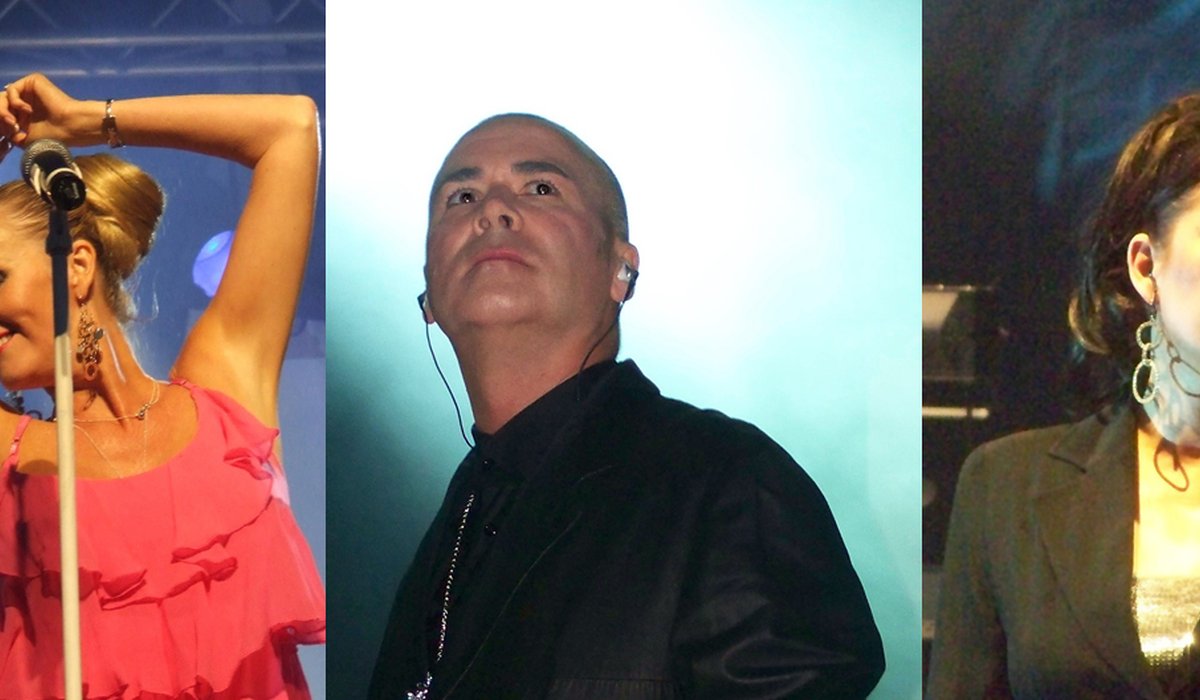
The Human League released Dare in autumn 1981 on Virgin after a messy split: Martyn Ware and Ian Craig Marsh left to form Heaven 17, leaving Phil Oakey to rebuild with teenagers Susan Ann Sulley and Joanne Catherall, found on a Sheffield dance floor, plus producer Martin Rushent. The album leans on Roland gear, sequenced clarity, and pop hooks instead of the group’s earlier experimental gloom. Openers like “The Things That Dreams Are Made Of” list consumer pleasures over synthetic bounce; “Open Your Heart” shows Moroder-adjacent pulse with British reserve.
“Don’t You Want Me” sealed the commercial leap: a duet narrative about fame and resentment that topped charts in the UK and, later, the US. Rushent’s production kept every part audible—drums tight, synth lines interlocking, vocals upfront. This was machine-made pop that still sold as human drama.
The Human League have made a record that sounds like the future, brilliant, cold, and utterly original.
(Mark Ellen, Smash Hits, 1981)
Dare became a template for UK synth-pop’s chart takeover and for Oakey’s image-led League. Its inheritance is concrete: a post-split rescue that turned into multi-platinum proof synthesizers could own Christmas number ones, and a production school Rushent-era acts kept citing. Heaven 17 took the other half of the original band; Dare took the mainstream.