




1998 Bristol trip-hop: dark guitars, samples, and strained sessions
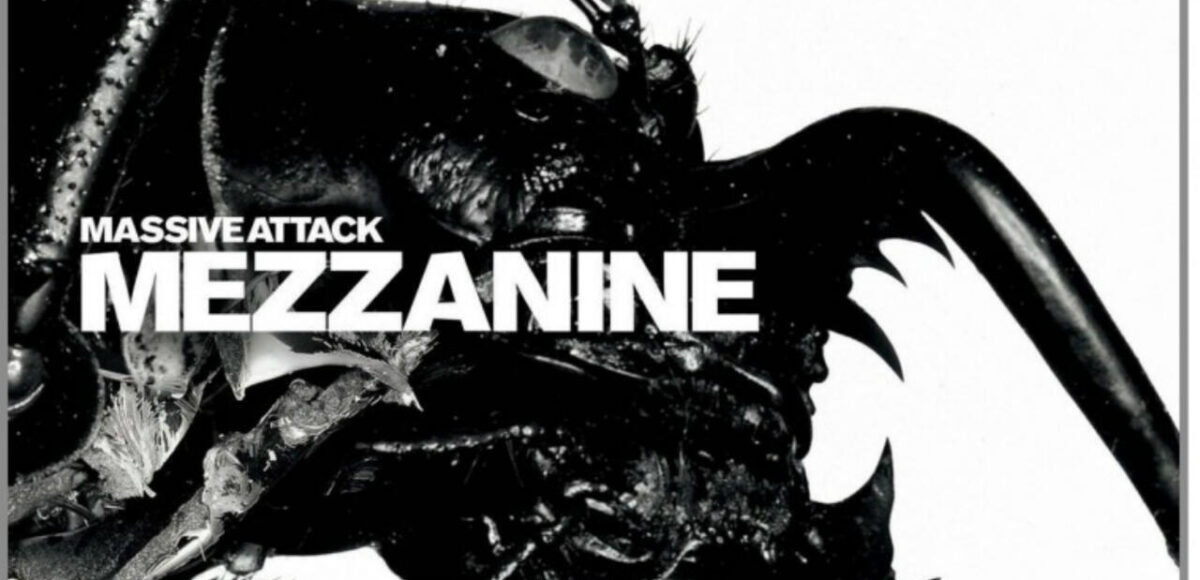
Massive Attack released Mezzanine on 20 April 1998 on Circa and Virgin, years after Blue Lines (1991) and Protection (1994) had made Bristol trip-hop a global brand. It was the group’s first album without Tricky and the last with Andrew “Mushroom” Vowles, who left during the tense making of the record. Robert “3D” Del Naja pushed for denser, darker textures; Grant “Daddy G” Marshall remained in the core. Producer and collaborator Neil Davidge joined 3D for the first time as a writing and production partner. Sessions at Massive Attack’s Bristol rooms and Christchurch Studios favoured slow tempos, heavy guitar beds, and samples that sit under the voice rather than decorate it. Mixer Mark “Spike” Stent helped set the rough edges and the space of the finished sound. The cover photograph by Nick Knight fixed the ant imagery that still marks the album’s public face.
The album opens with Angel, Horace Andy’s voice over a slow, grinding loop that sits closer to post-punk than to the brighter songs on early Blue Lines. Risingson, Inertia Creeps, and the title track keep that pressure; Angelo Bruschini’s guitar and live drums (Andy Gangadeen among others) thicken beds that once leaned more on bright songcraft. Teardrop, with Elizabeth Fraser of Cocteau Twins, became the radio and video flagship: a fragile high voice over a patient beat and a Les McCann sample. Fraser returns on Black Milk; Andy returns on Man Next Door; Sara Jay sings Dissolved Girl. Four singles framed the campaign: Risingson, Teardrop, Angel, and Inertia Creeps. The sequencing keeps the first half heavy before the Fraser and Andy features open small windows of melody without brightening the second half. Del Naja’s vocal on Inertia Creeps stays half-spoken, half-sung, which matches the album’s refusal of bright chorus writing.
Commercially Mezzanine topped the UK Albums Chart and reached number 1 in Australia and New Zealand, with strong European peaks and a number 60 entry on the US Billboard 200. It became the band’s biggest seller and a reference point whenever later electronic albums turned darker after the mid-90s fashion peak of trip-hop. The Mad Professor remix project and later live reinventions kept the material in circulation; film and television cues, especially around Teardrop, did the rest. Group politics never fully healed around the sessions, which is part of why the record still sounds like a break as much as a brand refresh.
It was a chrysalis moment. We were trying to emerge as something different. We had gone through that whole ‘90s thing of being the new kids on the block.
(Robert Del Naja, Wallpaper, 2018)
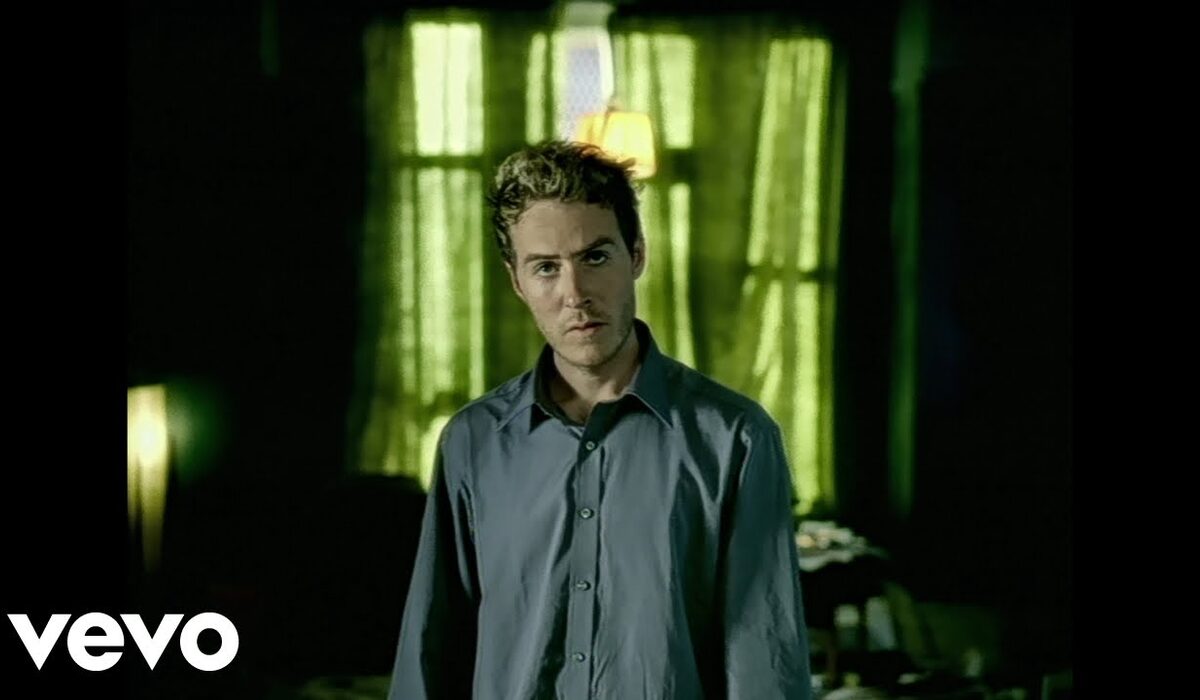
In the catalogue, Mezzanine is the album where the group changed its sound under strain: guitar noise where the earlier records were brighter, strained politics inside the unit, guest singers on the hooks, and beds that stay heavy. After the fashion peak, this Bristol record is built for headphones and late-night cues, and it still shows up on playlists decades on. Angel is the slow grind. Teardrop is the Fraser single.
Once the bass and the guitars are in, the mix keeps little brightness. The 1998 record leaves the early-90s glow behind, keeps the guests, and stays dark through the last tracks.
Aria | 6 October 2026
|
I need headphones for Mezzanine. Laptop speakers miss half of it.
Yuki | 7 October 2026
|
My copy of Mezzanine is destroyed. Still won’t replace it. Marks are history. Coffee got cold while I finished the article. Acceptable. That is all.
Marc G. | 8 October 2026
|
My copy of Mezzanine is destroyed. Still won’t replace it. Marks are history.
Noah | 9 October 2026
|
Forgot how dark the middle of Mezzanine gets. Thanks for the reminder. Might be recency bias but I do not care today.
Ray | 10 October 2026
|
I need headphones for Mezzanine. Laptop speakers miss half of it. Coffee got cold while I finished the article. Acceptable.
Bruno | 10 October 2026
|
I like the singles fine. The deep cuts on Mezzanine are why I stay.
Pierre | 11 October 2026
|
I still play Mezzanine front to back. Skipping feels rude.
Rosa | 11 October 2026
|
I like the singles fine. The deep cuts on Mezzanine are why I stay. Also the comments section on old forums was wild about this.
Nadia | 12 October 2026
|
Controversial: this is better than the one everyone quotes from Gaz Coombes. Needed that.
Sara | 12 October 2026
|
Put Mezzanine on while cooking. Burned the onions. Worth it. Also the comments section on old forums was wild about this. Anyway.
Hélène | 13 October 2026
|
Not every track is perfect but the whole of Mezzanine feels like a place. Might be recency bias but I do not care today.
Olivier | 13 October 2026
|
Not every track is perfect but the whole of Mezzanine feels like a place. That is all.
Diego | 14 October 2026
|
The cover alone put me off as a kid. Then Mezzanine ate my whole summer. Sharing this in the group chat. Expect chaos.
Inés | 15 October 2026
|
Not every track is perfect but the whole of Mezzanine feels like a place. Replay button abused.
Elena N. | 16 October 2026
|
Forgot how dark the middle of Mezzanine gets. Thanks for the reminder.