





Nevermind, 1991: chorus-pedal riff that will not resolve
On Nirvana’s 1991 album Nevermind (DGC), Come as You Are opens on a chorus-pedal guitar murmur. It sounds pretty, then you notice it does not settle. Kurt Cobain sings as if he is inviting you in and warning you off at the same time. Krist Novoselic’s bass and Dave Grohl’s drums keep the verse low, then open for the louder sections without turning the song into a pure shout. The single followed Smells Like Teen Spirit as the album’s second major radio single.
Cobain said the contradictory lines were on purpose. They were about the expectation that you will be one thing. That reading sits next to the press debates that compared the riff to Killing Joke. On tape the point is clearer than the lawsuit talk. A quiet-then-loud band wrote a hook that does not offer a soft moral. Butch Vig’s production keeps the verse murky and the chorus wider. It does not turn Cobain into a crooner.
The pedaled riff comes first. Then Cobain’s vocal enters, close and half-spoken. Grohl’s drums hit harder when the dynamics open. The arrangement leaves the contradiction in the lyric audible rather than burying it under stacked harmonies. MTV and alternative radio made the clip and the single unavoidable through 1992.
Decades of alternative retrospectives kept Come as You Are near the front of Nirvana song lists after Teen Spirit. After a quieter playlist, the contrast is the unresolved riff and the double invitation. Nevermind’s second single remains this one: come as you are, and do not trust the welcome completely.
The lines are contradictory on purpose. It’s about the expectation that you’ll be one thing, and the pressure to be something else.
(Kurt Cobain, circa 1992)
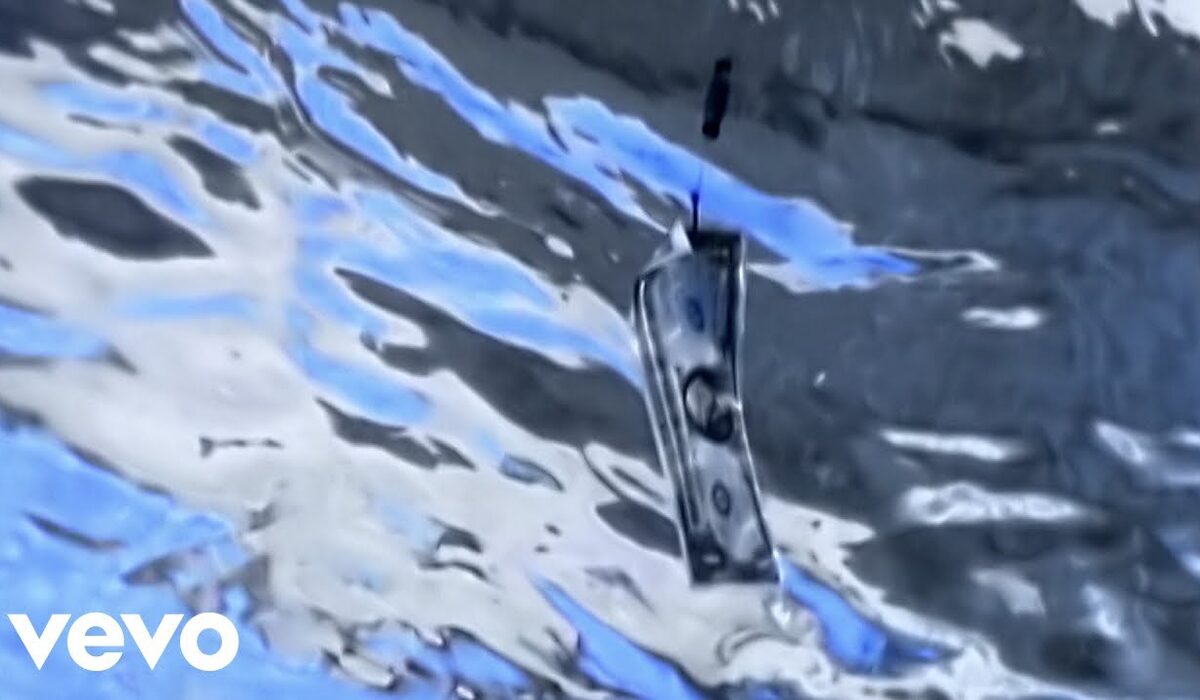
Live, the song still changes the room the way the record does. Murmur first, then volume, then back. Tribute sets and karaoke share the chorus because the hook is plain. The original keeps the warning in the vocal.
Chorus pedal, Nevermind dynamics, Cobain’s double message. Play Come as You Are for the riff. The resolution never quite delivers comfort. The 1991 DGC single still turns on that shift.
Chart weeks, reissues and later playlist circulation kept the cut in use. The arrangement still explains the hit. It did not need a softer remake.
The players, the studio and the single’s radio job are the clearest reasons to play it again. After a quieter set, the original tape still sounds more controlled.
The plain detail is who played, when the record came out, how radio carried it, and how the riff or the vocal opens the track. Those four points are why the single is still easy to find.



Kofi | 10 October 2026
|
Not overrated. If anything people forgot how tight Come as You Are is.
Sara | 11 October 2026
|
This is the track I put on to test new speakers. Nirvana never lies. Coffee got cold while I finished the article. Acceptable. Just saying.
Pierre | 12 October 2026
|
cool. Now I want the deep cuts around Come as You Are too. I told my coworker and they shrugged. Their loss.
Greg | 12 October 2026
|
I always skip to Come as You Are on the album. Guilty. Also the comments section on old forums was wild about this.
Zoé | 12 October 2026
|
First time I heard Come as You Are was on a burned CD. Still got the scratches in my head. Ok bye.
Rosa | 13 October 2026
|
I never knew that detail about the session. Changes how I hear the intro.
Sofi | 14 October 2026
|
Kinda basic of me but Come as You Are is still top 5 Nirvana for me.
Bruno | 14 October 2026
|
Solid chronicle. I forgot how sharp Nirvana sounded on this one.
Tom Riff | 15 October 2026
|
Cool. Now I want the deep cuts around Come as You Are too.
Nadia | 15 October 2026
|
Heard Come as You Are a thousand times. This reminded me why it stuck. I told my coworker and they shrugged. Their loss. Just saying.
Théo | 16 October 2026
|
My dad played Nirvana in the car. Come as You Are is basically my childhood commute. That is all.