Aberdeen to Nevermind to In Utero, then silence
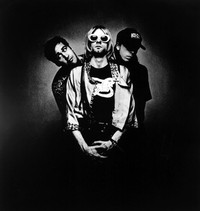
In September 1991, a three-piece from Aberdeen, Washington, released their second album on a major label and watched alternative radio formats rebuild themselves around it within three months. Nevermind sold 400,000 copies in its first week in the US; “Smells Like Teen Spirit” went to MTV in August before the album was out and generated rotational volume the network associated with Michael Jackson or Madonna. Kurt Cobain, Krist Novoselic, and Dave Grohl had made the record with producer Butch Vig at Sound City Studios in Van Nuys, California.
Cobain had grown up in Aberdeen, a logging town on the Washington coast, with a fractured family background and an early attachment to punk and new wave. He taught himself guitar from Cheap Trick and Led Zeppelin records before the Pacific Northwest scene gave him a context. Novoselic, from a Croatian immigrant family, joined early. The pair cycled through drummers until Grohl arrived from Washington D.C. hardcore group Scream in 1990 and completed the rhythm section. Their Sub Pop debut, Bleach (1989), was recorded for 606 dollars and sounded like it in the best possible way: raw, fast, and heavier than the budget had any right to produce.
The formal influences were not hidden. The Pixies’ quiet-loud dynamic was the structural debt Cobain acknowledged most clearly: verse quieter, chorus louder, the contrast generating the impact. Neil Young’s willingness to hold an ugly sound and not flinch. The Vaselines, a Scottish duo, contributed two songs that Nirvana covered live and recorded: “Son of a Gun” and “Molly’s Lips.” The Meat Puppets provided an acoustic segment at the Unplugged broadcast and Cobain cited them as a central influence on his writing. Teenage Fanclub, Celtic Frost, and the Raincoats all appear in his stated listening.
Nevermind (1991) is built on melody, not primarily on heaviness. Vig’s production placed the drums high and compressed, the bass mixed unusually loud for a guitar-rock record, and the vocal centered and clear. “Lithium” and “Come as You Are” were radio songs in a different envelope: the chord progressions were familiar from hard rock, but the structure moved by feel rather than formula. “Polly” and “Something in the Way” opened acoustic spaces inside an otherwise electric album. The hidden track, “Endless Nameless,” appeared after ten minutes of silence and damaged speakers that had been turned up during the quiet section. The record displaced Michael Jackson’s Dangerous from the US number one position in January 1992.
In Utero (1993), produced by Steve Albini at Pachyderm Studio in Minnesota, was deliberately abrasive in response to the commercial polish of Nevermind. The bass frequencies Vig had carefully placed were stripped out; the guitar was more grating; the drums had a different, harder air around them. “Heart-Shaped Box” and “All Apologies” remained fully formed songs underneath the production choices. “Rape Me” was refused radio play in several markets. The record reached number one in the US and UK. It sold fewer copies than Nevermind, which was approximately the point.
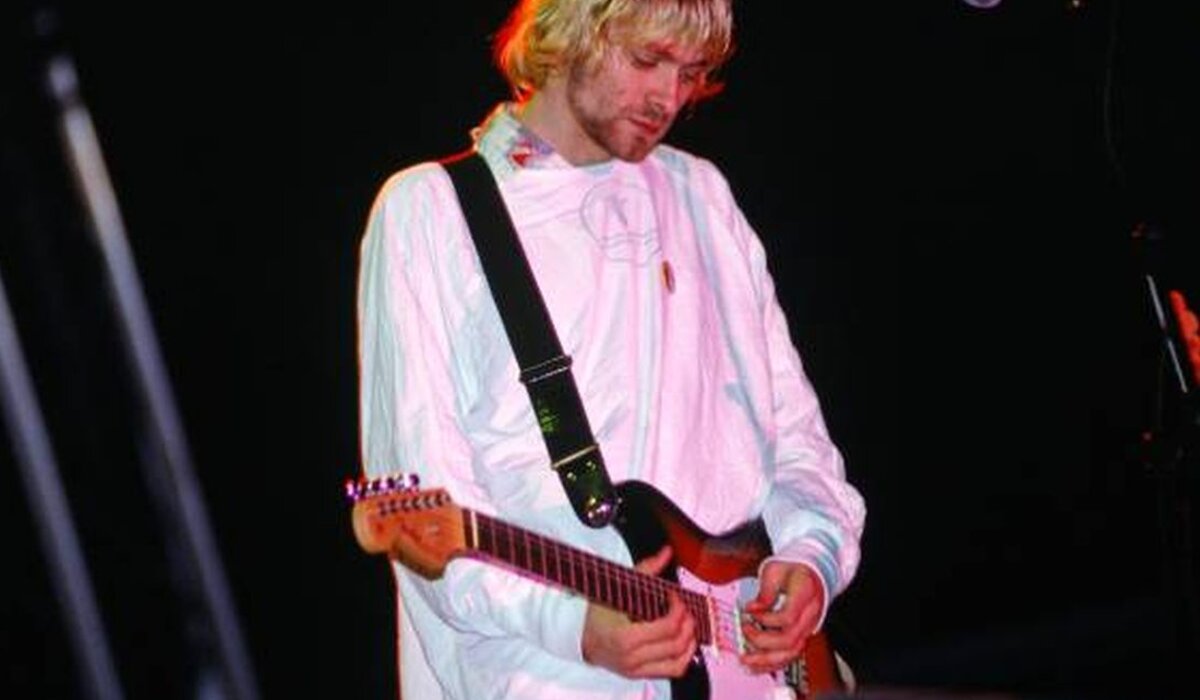
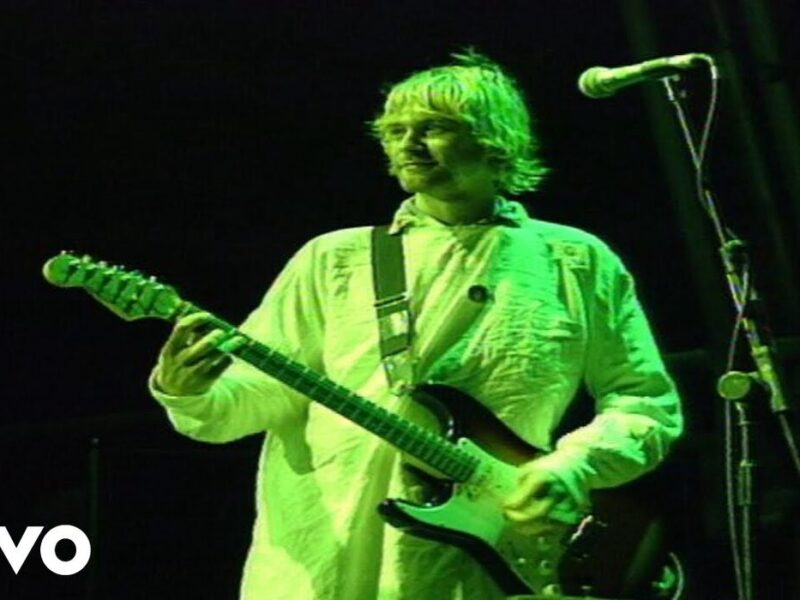
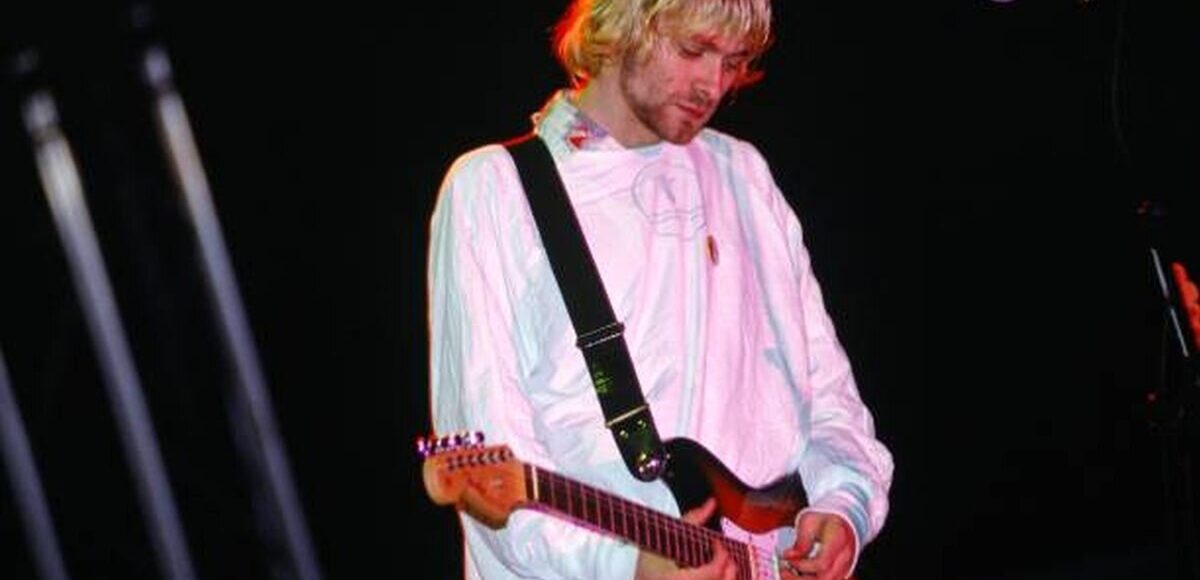
MTV Unplugged in New York, filmed in November 1993 and released posthumously in November 1994, is the record that survives the period most clearly. Cobain chose the setlist against MTV’s expectations: no “Smells Like Teen Spirit,” extensive covers including Leadbelly, David Bowie’s “The Man Who Sold the World,” and three Meat Puppets songs performed with Curt and Cris Kirkwood onstage. The arrangement of “All Apologies” worked better acoustically than the album version. The performance was quieter, more focused, and technically more assured than Nirvana’s live electric shows had typically been.
Cobain died by suicide in Seattle on April 5, 1994. He was 27. Novoselic kept a low public profile in subsequent years. Grohl formed Foo Fighters within months and built a catalog of his own across the following three decades. Nirvana’s total catalog across the active years is small: two proper studio albums on major labels, one Sub Pop debut, the Unplugged broadcast, and Incesticide (1992), a B-sides and rarities compilation. The influence, measured by any metric, is disproportionate to that output.
The downstream effect landed on nearly every guitar band of the 1990s and many since. Pearl Jam, Soundgarden, and Alice in Chains shared a Seattle geography and heavier production, but neither matched Cobain’s melodic gift or his ambivalence about his own commercial position. The British Britpop wave of 1994 to 1997, despite its different textures, responded directly to the opening Nevermind had made in the mainstream’s tolerance for guitar-based pop. Beck, Weezer, and a decade of alternative radio formats followed from the same break in the calendar.
Entry point: Nevermind remains the clearest statement. Unplugged gives the fullest picture of what Cobain could do when the volume came down. Bleach is for the rough-cut version before the production budget arrived. In Utero is the corrective move, essential in a different way. The catalog is complete and short enough to hear in an afternoon, and the reason to spend that afternoon with it is that the songwriting holds up in ways the surrounding mythology does not prepare you for. These are pop songs underneath the distortion, and they work.