
A robot that refuses to be corrected
The filter opens and shuts like a hand over a lamp, and a voice, crushed into perfect pitch, asks for one more time as if the night had a moral duty to continue. One More Time is house music that remembers a choir. The kick is simple. The bass line circles a disco record from 1979 until the sample becomes a new weather. What shocks, still, is not the rhythm. It is the tenderness inside a process that was sold to the world as a way of hiding bad singers.
Thomas Bangalter and Guy-Manuel de Homem-Christo produced the track at Daft House in Paris for Discovery, released in March 2001, after the single had already landed in November 2000. Romanthony sings. The source they clear and transform is Eddie Johns’ More Spell on You. The vocal processors are not one magic box: Bangalter listed, in a Remix interview, an old Roland SVC-350, a Digitech Vocalist, and Auto-Tune, used, he said, in a way it was not designed to work. The point was not to repair Romanthony. The point was to make the repair audible, the way a wah pedal is audible. Critics who heard a cheat were hearing the instrument and calling it a crime.
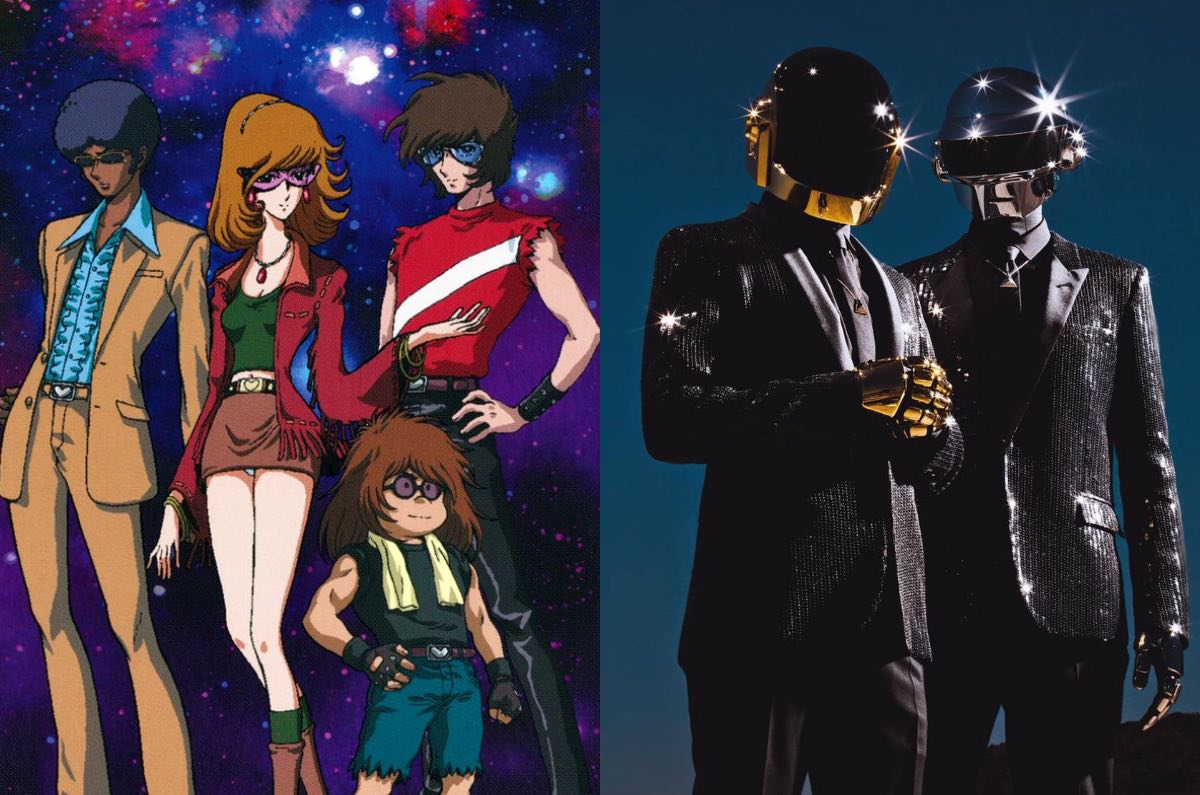
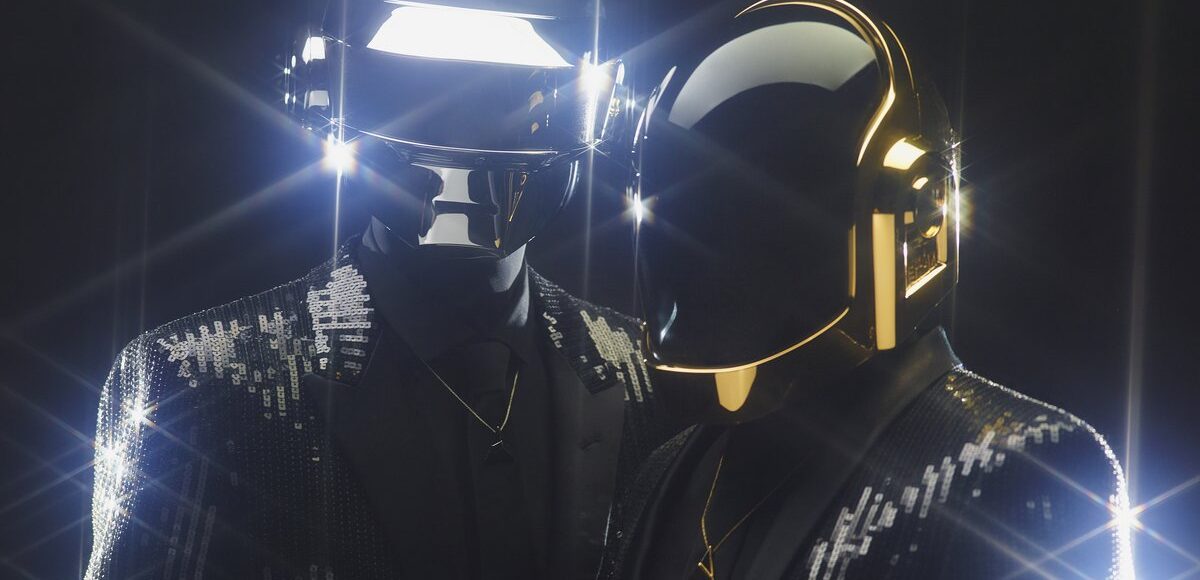
The animated film that became the song’s face, and later the helmets on stage, turned two Parisian producers into a cartoon religion. In clubs the track did not need the myth. It needed a sound system and a room willing to be told, again, that the night was not over. Romanthony’s melody is a gospel phrase in a space suit. Take the suit off, in the mind, and you still have a man asking the floor not to stop.
Auto-Tune is great for fixing vocals, but we use Auto-Tune in a way it wasn’t designed to work.
(Thomas Bangalter, Remix, 2001)
The argument about the effect outlived the review cycle because the effect changed the grammar of pop singing. After this single, a corrected voice could be a choice rather than a secret. Bangalter compared the panic to French musicians in the late seventies trying to ban the synthesizer for stealing jobs. He was right about the fear and slightly wicked about the comparison, because One More Time does steal, openly, from disco, and then pays the debt in joy. The song does not hide its sample. It baptises it.
What remains is the request in the title, which is both a DJ’s cry and a lover’s. Discovery is full of robots. This is the one that wants to be held. Two decades of festivals have not worn the filter out. The hand over the lamp still opens. The voice still arrives too perfect to be human and too desperate to be only a machine.