
Trench Town, then the road
Trench Town, Kingston, a yard where the songs are written before there is money to record them properly. Robert Nesta Marley, Neville Livingston who will be Bunny Wailer, and Winston Hubert McIntosh who will be Peter Tosh are the Wailers, a vocal group with more ambition than equipment. Coxsone Dodd’s Studio One gives them a door. Simmer Down, cut in the early sixties, is a hit in Jamaica and a warning to rude boys delivered by rude boys who can sing. The rhythm is ska, fast, brass-led, a music for a country that has just become independent and is still arguing with itself. The three voices already lock like a single idea sung from three angles.
The sixties teach them the studio as a second instrument. Lee Perry, in the last years of the decade, produces a tougher Wailers, bass forward, the Upsetters as the engine. The harmonies stay. The tempo begins to sit down, rocksteady then early reggae. Catch a Fire, 1973, is the step out: Chris Blackwell at Island has the tapes brightened in London, rock guitar added. Concrete Jungle, Slave Driver, Stir It Up. Burnin’ the same year holds Get Up, Stand Up and I Shot the Sheriff, which Eric Clapton carries onto American radio in 1974. The Wailers are no longer a local secret. Tosh and Bunny, suspicious of the spotlight’s terms, leave in 1974. The name becomes Bob Marley and the Wailers, which is accurate and also a loss.
The loss is answered by a band. Aston “Family Man” Barrett on bass, his brother Carlton on drums, the Barretts as the human clock. Tyrone Downie, Earl Lindo, Al Anderson, later Junior Marvin. The I Threes, Rita Marley, Marcia Griffiths, Judy Mowatt, replace the male harmony with a chorus that can sound like a congregation. Natty Dread in 1974 is the first album of this Wailers. No Woman, No Cry, in the studio version, is tender. In the 1975 Lyceum live version it becomes the song the world memorizes, a yard in Trench Town described so clearly that strangers feel they have sat there. Rastaman Vibration in 1976 pushes further into the American charts. The message is Rastafari, repatriation, a biblical vocabulary sung over a rhythm that invites the hips. People who do not share the theology still understand the rhythm.
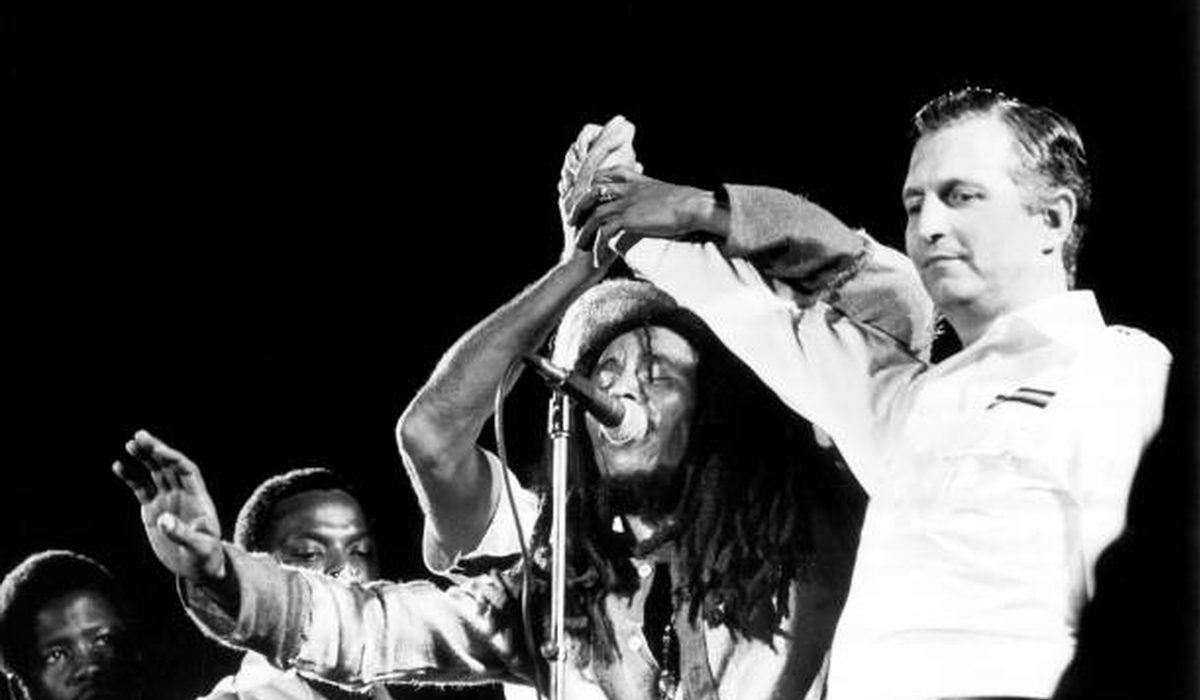
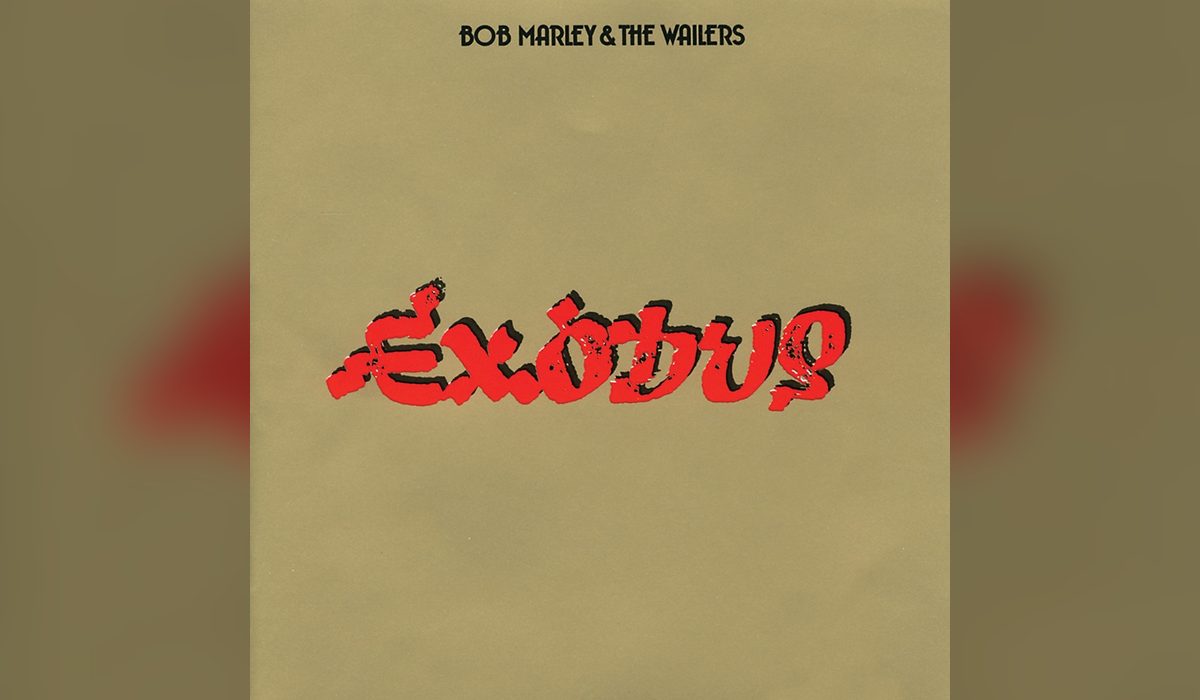
On 3 December 1976, gunmen enter 56 Hope Road and shoot Marley, Rita, and Lewis Griffith. Marley is hit in the chest and the arm. Two days later he plays the Smile Jamaica concert anyway, the wound visible, the set shortened, the point made. He leaves the island. Exodus, recorded in London in 1977, is the album of that exile and, by common agreement, the one that settles the argument. Jamming, Waiting in Vain, Three Little Birds, One Love / People Get Ready, the title track. The Barretts play as if time were a moral issue. Marley’s voice is closer, less prophetic in the narrow sense, more like a man speaking to a room. In April 1978 he returns for the One Love Peace Concert and brings Michael Manley and Edward Seaga, the opposed politicians, onto the stage to join hands. It is theater and a risk. A song will not end a political war. A song can still force two men to stand where the cameras are.
Survival in 1979 is the African record, flags on the cover, Zimbabwe sung before the independence celebration he will attend. Uprising in 1980 holds Could You Be Loved and Redemption Song, the latter almost alone with an acoustic guitar, a spiritual that does not need the band and is stronger for their absence on that track. The toe that had been injured, the melanoma that doctors had warned him about, the refusal of an amputation on religious grounds: the biography here is cruel and documented. He dies on 11 May 1981 in a Miami hospital, thirty-six years old. Nine Mile receives him. Tosh is murdered in 1987. Bunny dies in 2021, the last of the original three.
From Studio One to Exodus, the span is a manual of how a small island’s popular music became a global language without dropping its grammar. Marley is the voice everyone can imitate badly. The band is why the imitation fails: Carlton’s one drop, Family Man’s bass melody, the I Threes holding the line where the original trio had stood. Remove them and you have a famous singer. Keep them and you have a group.
A pulse wider than the island. That was a group achievement even after the billboards reduced it to one face. Trench Town is still in the lyric. The road out is still in the drum. Redemption Song asks a question the later century did not answer. The Wailers kept time as if the answer might still arrive on the backbeat.