Sydney pubs, Listen Like Thieves, Kick, and the Hutchence years
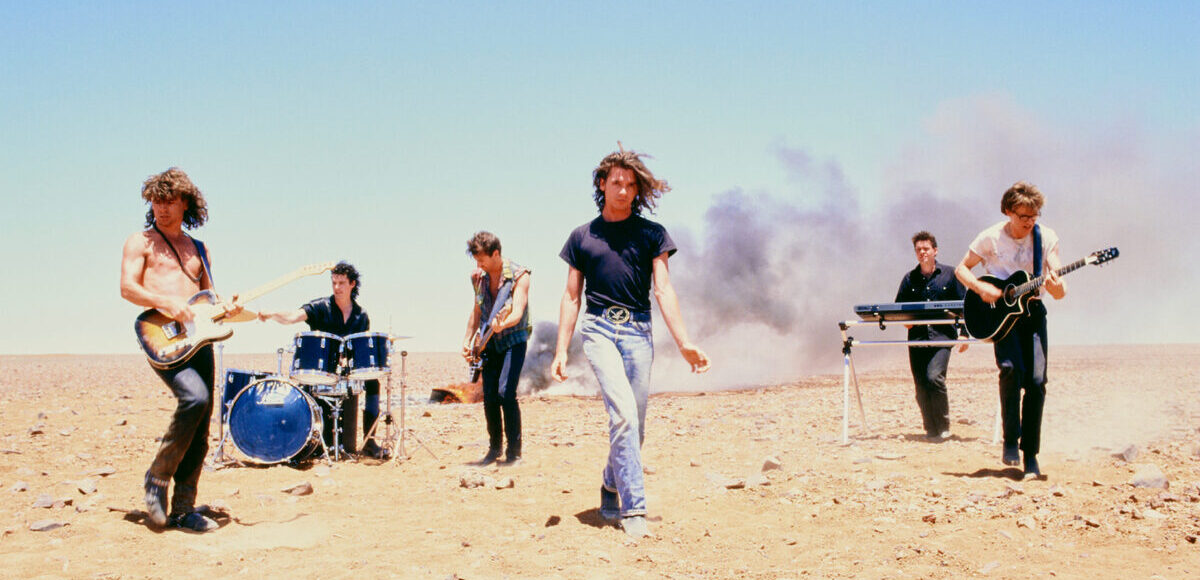
In August 1977, at a birthday party on Whale Beach north of Sydney, six school friends plugged in as the Farriss Brothers. Michael Hutchence sang. Andrew Farriss wrote and played keys. Tim Farriss and Kirk Pengilly carried guitars; Pengilly also saxophone. Garry Gary Beers held bass. Jon Farriss, the youngest, sat behind drums. By 1979 they renamed themselves INXS, a phonetic wink at “in excess,” and started grinding through New South Wales pub rooms where volume mattered more than gloss.
Early records stayed local. Shabooh Shoobah (1982) cracked Australia with “The One Thing.” The pivot arrived when they chased funk. “Original Sin,” produced with Nile Rodgers in 1983, topped Australian charts and pointed the band toward danceable rock instead of straight pub pound. Listen Like Thieves (1985), produced by Chris Thomas, opened America: “What You Need” hit the US Top 5 and proved Hutchence could sell a groove without losing live grit.
Kick, released in October 1987, was the bet. Hutchence and Andrew Farriss wrote most of it as a stack of potential singles. When Thomas sent them to Hong Kong for more material, Andrew taped a riff in a taxi and Hutchence finished “Need You Tonight” in minutes. The album reached No. 3 on the Billboard 200 and No. 1 in Australia. Four US Top 10 singles followed: “Need You Tonight” (their only US No. 1), “Devil Inside,” “New Sensation,” and “Never Tear Us Apart.” MTV piled awards behind the Need You Tonight/Mediate clip.
Chris Thomas’s production on Kick kept guitars dry enough to punch and bass lines round enough for dance floors that still wanted rock clubs. Hutchence’s microphone technique, half whisper and half dare, turned ballads like “Never Tear Us Apart” into public vows without syrup. Kirk Pengilly’s sax cut through choruses when the arrangement needed lift. The six-piece chemistry stayed intact: brothers, schoolmates, one frontman whose body language sold songs before the first chorus.
X (1990) kept the machine moving with “Suicide Blonde” and “Disappear.” Welcome to Wherever You Are (1992) and Full Moon, Dirty Hearts (1993) showed a band still writing under pressure while fame thickened around Hutchence. Live, Kick grooves arrived like a room deciding to dance without asking permission. On tour the six-piece locked arrangements so tightly that medleys of Mediate into Need You Tonight felt inevitable rather than clever.
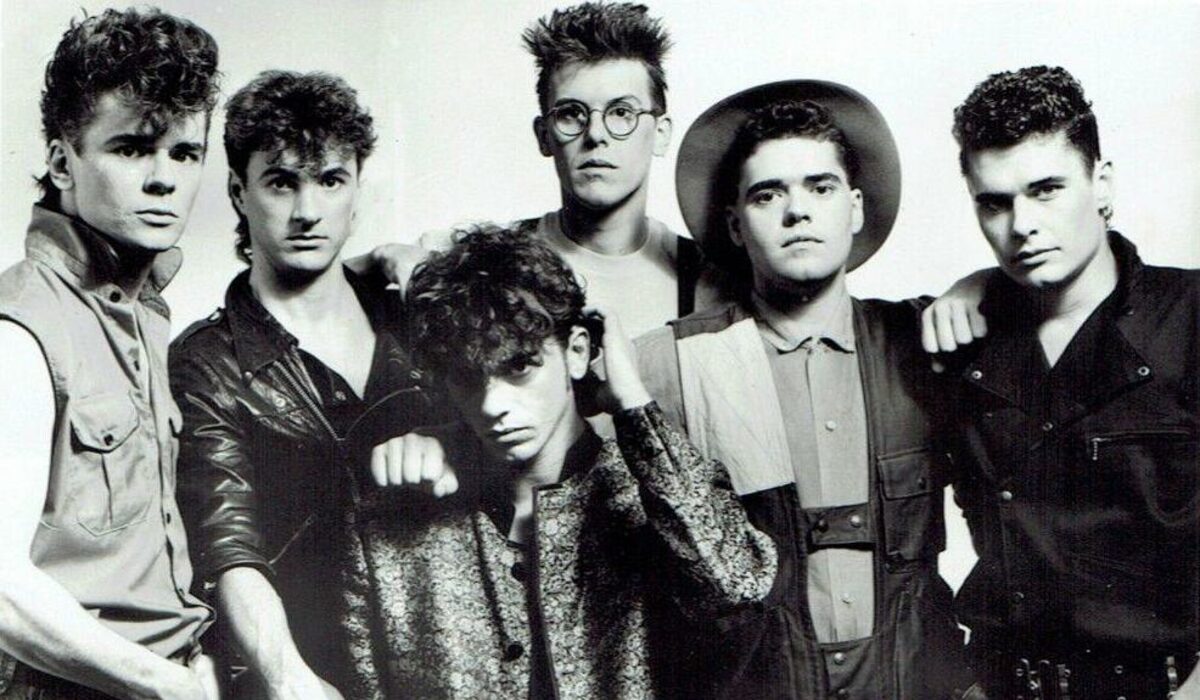
On 22 November 1997, Michael Hutchence died in a Sydney hotel room at 37. The band later continued with other singers, including Jon Stevens and a reality-TV winner, but the catalogue that defines them remains the Hutchence era. Documentaries and anniversary editions kept rotation alive; the songs did not need nostalgia as a crutch. Australian radio still treats “What You Need” and “New Sensation” as weather.
Influences sit in the pocket: pub rock stamina, Rodgers funk timing on “Original Sin,” new wave polish on early 80s singles, and the stadium ambition of mid-80s American rock without abandoning dance feel. INXS absorbed rather than copied, which is why Kick still sounds like a rock club that learned to slide.
Sonically, listen for dry guitar stabs, round bass, Jon Farriss’s steady kick-snare marriage, and Hutchence’s voice moving from croon to push without breaking the groove. Sax enters as color, not solo show. The mix favors punch and space over layered mush.
Entry points are clear. Listen Like Thieves for the US breakthrough. Kick for the peak stack of singles. Shabooh Shoobah for early Australian heat. Add “Never Tear Us Apart,” “Devil Inside,” and “Original Sin” to map ballad, funk-rock, and pre-Kick pivot.
Beside Midnight Oil or Cold Chisel, INXS shared Australian pub roots but chased international funk-rock charts harder. Beside Duran Duran or Simple Minds, they shared 80s MTV scale but kept a tighter live-band center. What distinguishes them is precision in excess: rock that learned funk timing, a singer who treated the mic stand like a dance partner, and a riff taped between curb and Hong Kong apartment that still arrives sideways on radio.
What lasts is a specific Australian export from Whale Beach to stadiums. INXS made excess feel precise. Put on Kick in sequence and the argument is a pub band that spent a decade earning the right to slide across the world without losing its grit.