
A London exile that became a hymn
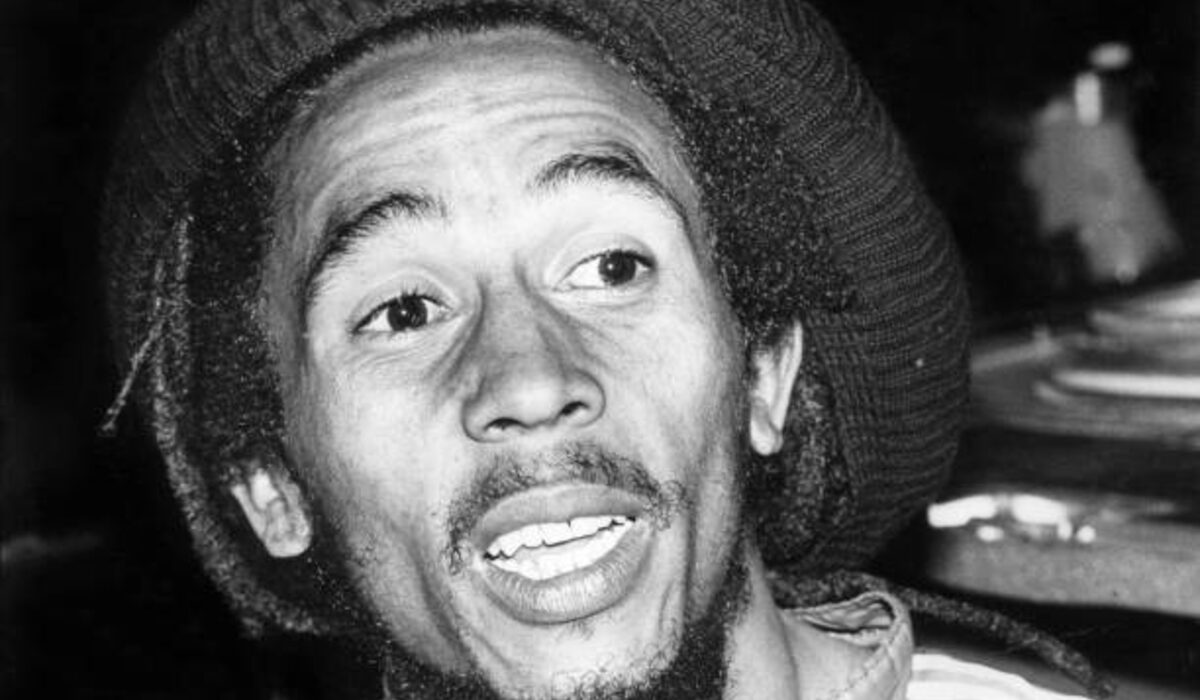
In the first months of 1977, Bob Marley & The Wailers were in London because Kingston was no longer a safe room, and they answered the distance by making a record that walks. Exodus opens on Natural Mystic, a bass that seems to arrive from the next street, a voice that does not raise itself to be believed. There is no rush to the chorus. The song trusts the listener to come closer. Released on 3 June 1977, the album still feels like a procession: one side looking at the damage, the other side remembering how to dance without forgetting why the procession started.
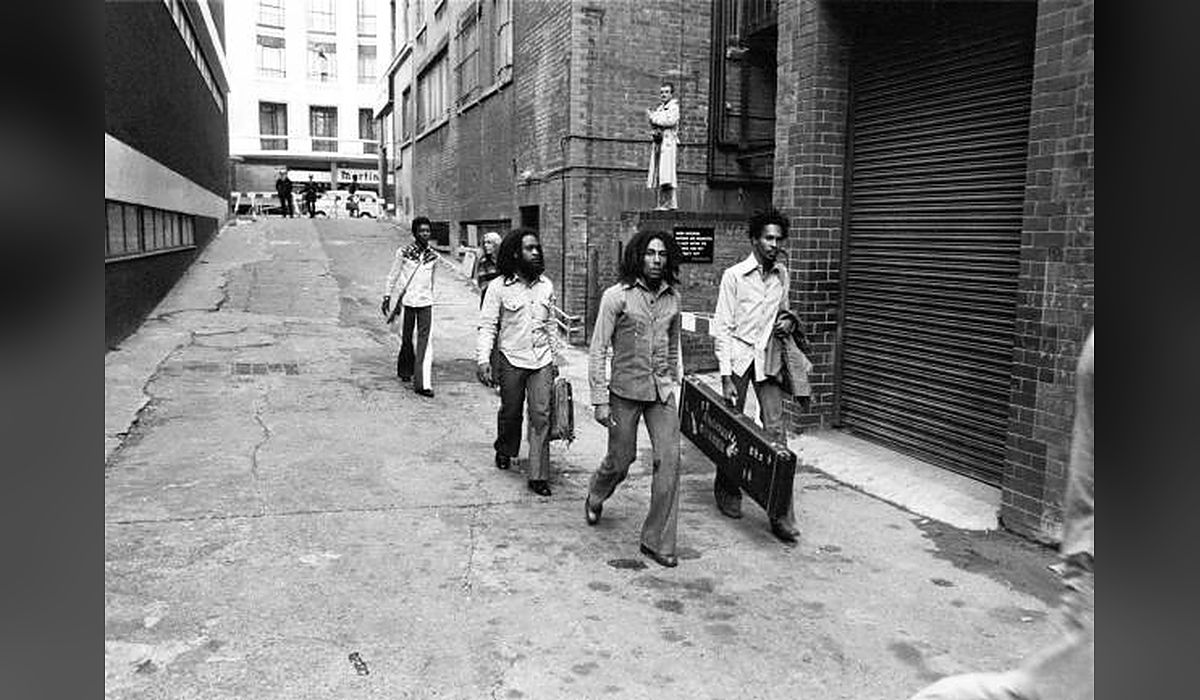
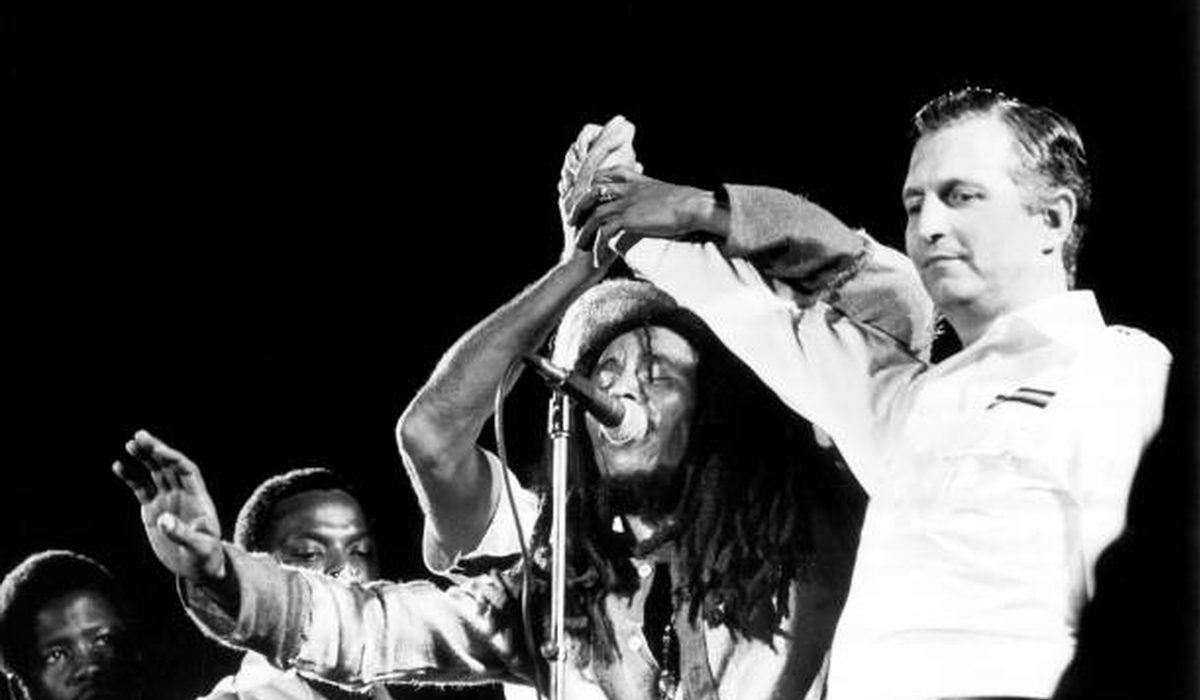
The reason for London sits in December 1976. Gunmen came into 56 Hope Road. Marley, Rita Marley, and manager Don Taylor were wounded. The Smile Jamaica concert went ahead, and then the group left. Island Studios on Basing Street became the temporary country. The Wailers produced the record themselves. Aston and Carlton Barrett held the bottom as they always had, the I-Threes folded harmony around the lead, and the songs arrived in an order that reads like a day: accusation, then survival, then the title as a road, then the evening. Exile did not soften the music. It gave it a cleaner hallway to walk down.
Side one does not flirt. So Much Things to Say, Guiltiness, and The Heathen look at betrayal without a wink. Then Exodus itself turns the biblical word into a street instruction: movement, movement, movement. Side two opens the windows. Jamming is the invitation, almost weightless, a hand on your shoulder. Waiting in Vain is a love song that refuses to beg in the usual places; the guitar skanks and the pride stays. Turn Your Lights Down Low is the room after midnight. Three Little Birds is the proverb people now hum without the war around it, which is a kind of victory and a kind of loss. One Love, braided with Curtis Mayfield’s People Get Ready, closes the door without locking it.
Every song is a classic, from the messages of love to the anthems of revolution. But more than that, the album is a political and cultural nexus, drawing inspiration from the Third World and then giving voice to it the world over.
(Time, The Best of the Century, 31 December 1999)
In December 1999, Time named Exodus the album of the century, ahead of records with louder marketing departments. The choice startled people who had filed reggae as a climate rather than a literature. Listen in order and the argument is simpler. The first half will not let you dance your way out of responsibility. The second half will not let responsibility abolish joy. That balance is the record’s real politics. It is also why the songs survived the posters. A hymn that cannot be sung in a kitchen does not last. These can.
Put it on in the late afternoon, when the light is ordinary. The bass does the work a speech cannot: it keeps time for people who have been told their time does not count. Marley sings as if the listener is one person, not a stadium, even when the chorus is built for a crowd. London is in the room only as a distance. Kingston is in the stories. The road between them is the title, and it is still open. You do not need a historian to hear that. You need the speakers, and a little patience.