Two hands, one song, a full moon
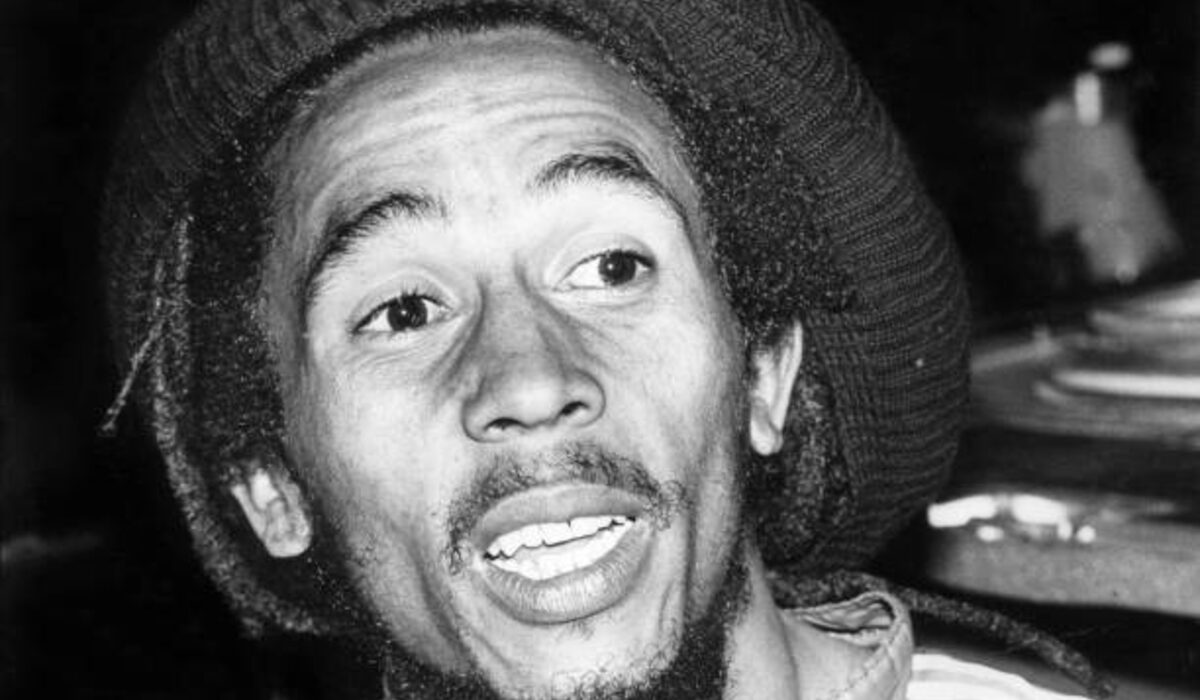
National Stadium, Kingston, 22 April 1978. Jamaica was in the middle of a political war that did not bother to call itself one. The People’s National Party and the Jamaica Labour Party had gunmen, neighbourhoods, and a body count. A truce, pushed by rival enforcers Claudie Massop and Bucky Marshall, needed a face the island would believe. The face had been in exile. On 3 December 1976 gunmen had walked into 56 Hope Road and shot Bob Marley, his wife Rita, and his manager. He left. He came back for this night, which had been set to mark the anniversary of Haile Selassie’s visit, and which ran from late afternoon until the moon was high.
Peter Tosh played before him and used the time badly, which is to say honestly. He scolded the two leaders sitting in front of him, smoked onstage, and spent nearly half of a long set talking about police and herb. Then, around half past midnight, Marley and the Wailers. Trench Town Rock, War, Natty Dread, Natural Mystic, and Jamming. During Jamming he stopped being only a singer. He asked for Michael Manley and Edward Seaga. He said he was not so good at talking. He said he wanted them to shake hands and show the people that they were going to unite. They came. He held their hands up. The photograph is the one reggae still uses when it wants to prove it once stood inside history rather than beside it.
The gesture did not end the killing. That is the adult sentence, and it belongs in the piece. A concert is not a treaty. What it can be is a room where the men who profit from a war have to stand, for a minute, in the same light as the people who are paying for it. Marley gave them that minute and did not pretend it was more. The moon line in the improvisation is almost shy. The moon is right over my head, and I give my love instead. Politics gets the handshake. The song keeps the love, because he did not trust the handshake to hold.
I just want to shake hands and show the people that we’re gonna make it right, we’re gonna unite.
(Bob Marley, One Love Peace Concert, 1978)
He had opened his body to this island once and been shot for it. Coming back was not a branding exercise. The Wailers behind him, the stadium open to the night, Rita having sung earlier, Tosh having refused to be polite: the bill was a country arguing with itself in public, with a rhythm section keeping the argument from becoming only shouts. Reggae’s international fame was already real. This night was for the people who had to live with the next morning.
Watch the hands, then listen to what the hands could not do. The concert is famous because the photograph is clean. The music is famous because it is not. Jamming keeps rolling under the speech, a one-drop that does not pause for the prime minister. That is the moral of the night, if it needs one. The song outlasts the clasp. The clasp was still worth making, under that moon, in that stadium, by a man who had a scar to show for the last time he tried.