A storm, and a voice called after midnight
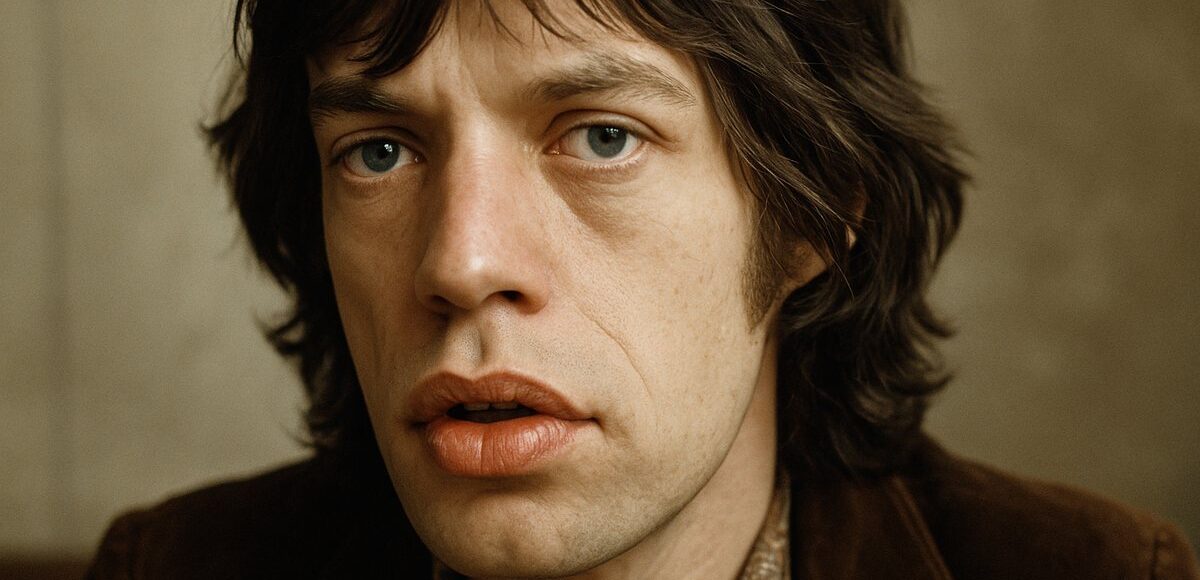
The guitar starts like weather changing its mind, a shiver rather than a riff, and the band falls in behind it as if they had been waiting for the first drop. Mick Jagger does not sing a love song. He files a report. War, children, a street, a kiss that is also a scream. Then Merry Clayton arrives and the report tears. Rape, murder, are just a shot away. She does not decorate the line. She spends herself on it. Gimme Shelter, the opening of Let It Bleed in 1969, is the sound of a decade noticing it will not get a gentle ending.
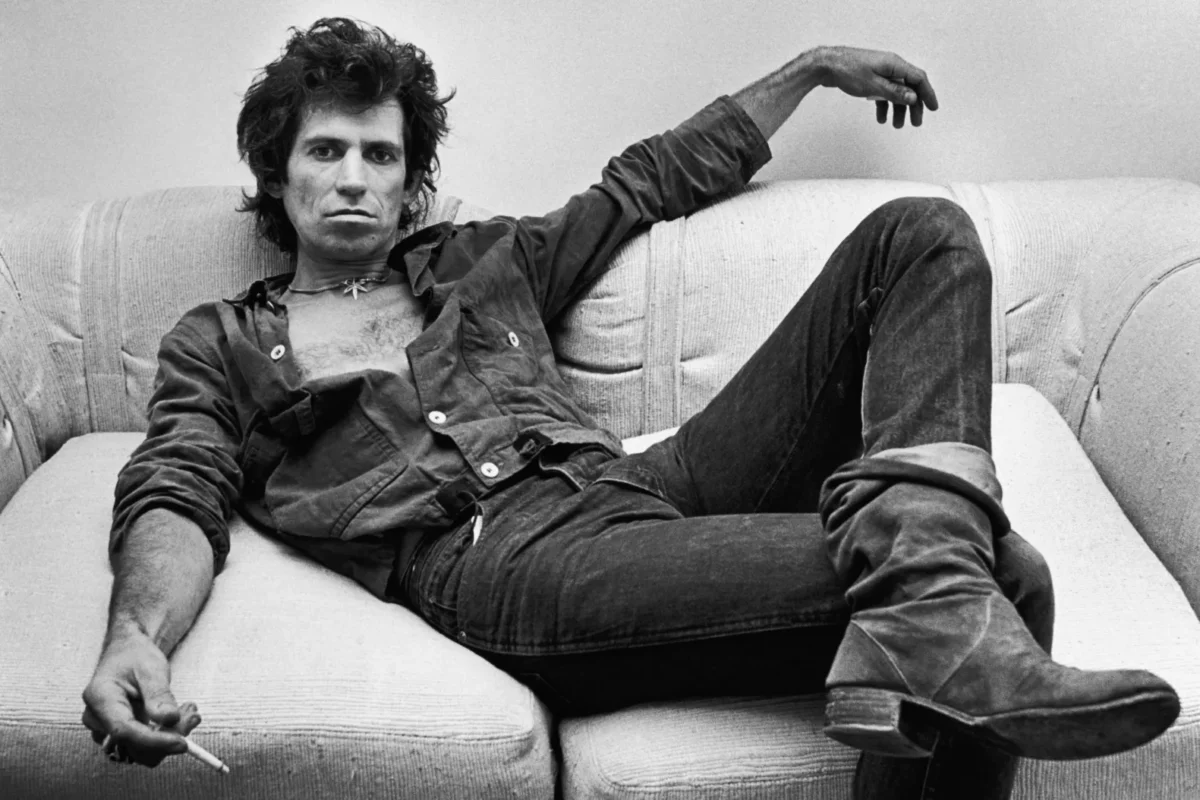
Keith Richards has called it an end-of-the-world song, apocalypse rather than commentary. He wrote the music, Jagger the words, Jimmy Miller producing at Olympic Studios in London, the basic track a storm already, Nicky Hopkins and the band building a room that feels smaller than the subject and exactly the right size. Clayton’s vocal was recorded in Los Angeles, late, a session arranged in the night. She was pregnant. She sang the line until the take contained a voice breaking, and the break was kept. The story of that night has been told so often it can sound like a legend. The tape does not sound legendary. It sounds like someone hurting the note because the note asked.
The single was not the point. The album was, a record that arrived as Altamont and the American war and the end of the polite sixties stacked on the same week. On stage the song became a set-opener that could still frighten a crowd that knew every word. Jagger leans. Clayton, when she was there, answered from a place the band could not reach by being louder. The studio version is the one that still has the shiver in the intro, Richards’s guitar a warning system, Charlie Watts refusing to rush the bad news. Miller’s production is dry enough to hear the panic and wet enough to hear the room.
It’s a kind of end-of-the-world song, really. It’s apocalypse.
(Keith Richards, on Gimme Shelter)
It has been used since as the soundtrack of any trouble, which flattens it, and it survives the flattening because the vocal is too specific. This is not a general dread. It is a particular woman and a particular man describing a particular year, and the year keeps being renewed by listeners who were not born. Let It Bleed has other masterpieces. This one is the door, and the door does not lock from the inside.
What remains is Clayton’s break, the moment the backing singer becomes the news. Gimme Shelter asks for shelter and does not pretend any is available. The storm in the guitar never quite lands. It only gets closer. That is the whole arrangement, and it has not dated, because the shot is still, in the lyric’s terrible tense, just away.