
Five voices, one Motown clock
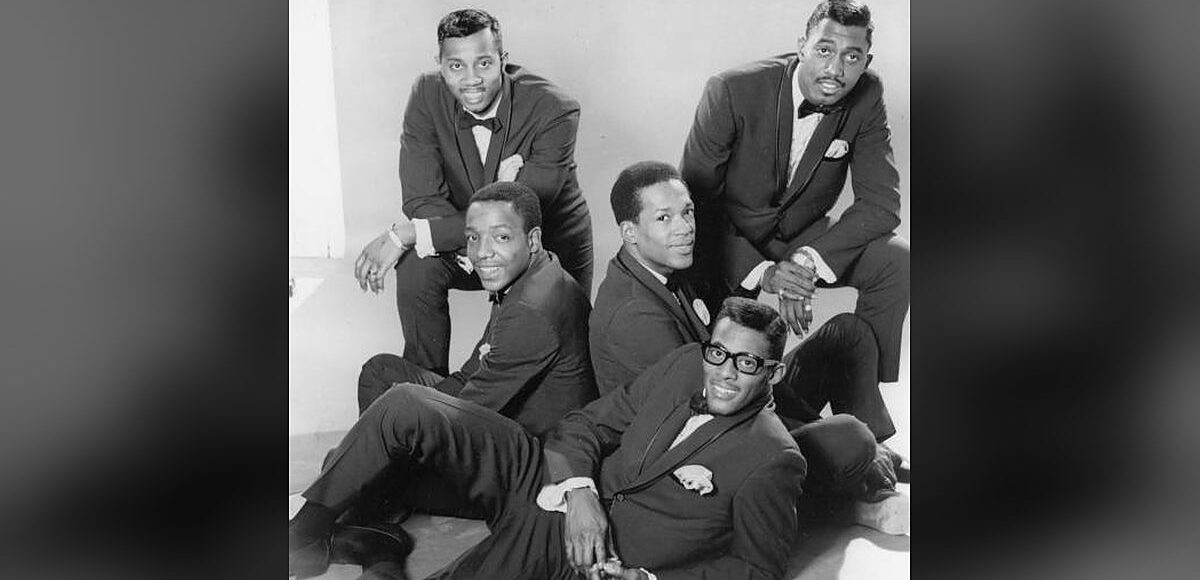
Hitsville U.S.A., Detroit, a narrow studio that the Funk Brothers have already turned into a clock. Five men in matching suits step up to microphones that do not forgive a lazy blend. David Ruffin takes the lead on a song Smokey Robinson wrote with Ronnie White, a simple declaration that the Motown machine will make complicated by perfection. My Girl is recorded in 1964. James Jamerson’s bass does not show off. It places the floor. The guitar figure is a finger-snap with manners. When the record reaches number one in early 1965, the Temptations stop being a promising vocal group and become an architecture: five voices, one silhouette, a choreography that looks like geometry and feels like courtship.
The architecture had been assembled from two earlier groups, the Distants and the Primes, under Otis Williams’s patience. Melvin Franklin’s bass voice is the foundation you notice only when it moves. Eddie Kendricks’s falsetto is the skylight. Paul Williams is the baritone who also builds the steps they dance. Al Bryant does not last. Ruffin arrives in 1964 and the classic five locks. Berry Gordy signs them to Motown, tries the name the Elgins, then lets the Temptations stand. The early singles under Smokey, The Way You Do the Things You Do, My Girl, Since I Lost My Baby, are love songs engineered like cars: every part replaceable, the whole thing somehow not.
Norman Whitfield wants a different car. By the late sixties he has taken the wheel from Robinson, and the lyrics grow teeth. Ain’t Too Proud to Beg is still courtship, but the courtship is desperate. I Wish It Would Rain is weather as feeling. Then 1968, and Ruffin is out, fired for missing shows and for wanting the group to carry his name. Dennis Edwards, from the Contours, has a rougher grain. Cloud Nine the same year is the pivot: wah-wah, social lyric, a Grammy, the start of what people will call psychedelic soul. The suits stay sharp. The songs stop pretending the street ends at the edge of the dance floor. Ball of Confusion, Psychedelic Shack, Don’t Let the Joneses Get You Down. Whitfield and Barrett Strong write as if the news were a hook.
Just My Imagination (Running Away with Me) in 1971 is the last great breath of the older tenderness, and Kendricks’s farewell in all but name. He leaves. Paul Williams, ill, addicted, struggling, leaves the road. Damon Harris comes in. Richard Street takes Paul’s place. The group could have become a brand that tours the old hits and nothing else. Instead Whitfield hands them Papa Was a Rollin’ Stone in 1972, twelve minutes on the album, a single edited down to a still-immense plea. The lyrics are a son asking about a father. The track is a city at night: strings, wah, a bassline that walks the block twice. It wins a Grammy. It also marks how far a vocal group can go without abandoning the blend.
The cost is not abstract. Paul Williams dies in 1973, a suicide, at thirty-four. The group keeps the steps. Ruffin and Kendricks will return for reunions that sell tickets and reopen old weather. Edwards stays, then goes, then the lineups become a history of tenors. Melvin Franklin remains until illness takes him out; he dies in 1995. Otis Williams, the last of the originals, becomes the keeper of the name, which is both a duty and a controversy every time a former member wants the letters back. The musical Ain’t Too Proud will later tell the story to Broadway. The records tell it better, because they do not explain the dancing. They are the dancing.
What the Temptations added to soul was not grit alone, and not polish alone. It was the idea that five distinct timbres could function as one instrument without any of them going missing. Ruffin’s rasp, Kendricks’s cry, Franklin’s floor, Paul’s warmth, Otis’s glue: you can point at each of them in a mix and still hear a group. Whitfield proved the instrument could play politics. Smokey proved it could play devotion. The Funk Brothers proved both would swing.
Stand in front of My Girl and it still sounds like a promise kept at close range. Stand in front of Papa Was a Rollin’ Stone and the promise has left the house. The same name is on both labels. That span, from silk to the streetlight, is the chronicle. The suits were real. So was the strain inside them. Motown built a clock. The Temptations learned how to make it tell more than one time.