




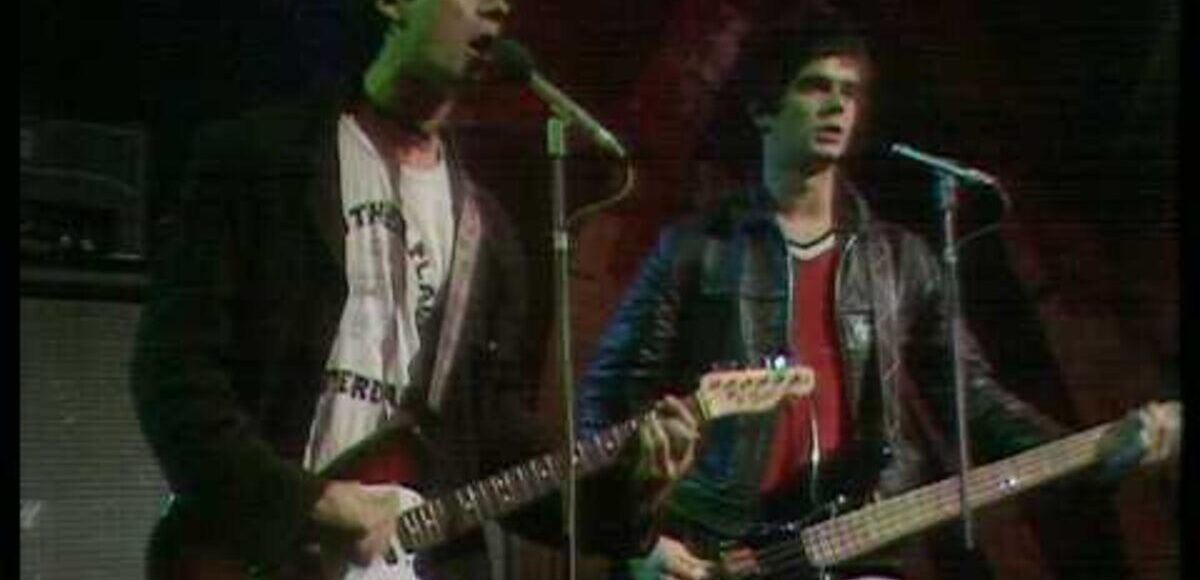
1977 United Artists single, Burnel bass, Cornwell lyric roll-call
No More Heroes is the title track of The Stranglers’ second United Artists album, released in 1977. Jean-Jacques Burnel’s bass opens low, round, and overdriven: the flatwound punch he got by hitting the amp hard. Hugh Cornwell’s guitar and Dave Greenfield’s keyboards lock around it; Jet Black keeps the drums stiff and forward. The single reached No. 8 on the UK chart. Against younger punk peers, the Guildford band sounded older, colder, and less slogan-driven.
The lyric lists names and moves on: Trotsky, Lenny Bruce, Shakespeare, Sancho Panza. There are no eulogies, only a list of figures treated as obsolete. It is provocation more than a history lesson, delivered over a riff that refuses to soften. Burnel spoke French as easily as English and trained in karate; Cornwell had already lived through chemical experiments before the band. That distance from scene fashion shows in the track’s dry humor.
1977 was the year The Stranglers broke hard in Britain with Rattus Norvegicus then this follow-up. Radio and the weekly press argued over whether they belonged in punk at all; the bass lines and Greenfield’s swirling keys already pointed past three-chord rules. Hugh Cornwell later said they “got away with murder” in that period, a shorthand for how much provocation the band packed into short singles.
United Artists paired the single with a British punk market already crowded by the Sex Pistols, Clash, and Damned, yet The Stranglers found room with musicianship that sounded almost prog-adjacent next to three-chord peers. Greenfield’s keyboards swirl where other bands left silence; Burnel’s bass often leads the arrangement instead of following guitar. No More Heroes the album reached No. 2 in the UK; the title track became the short version of the band’s 1977 stance. It cites the history, it skips the praise, and the amp stays loud. Club DJs and later punk anthologies kept the riff in circulation long after the weekly press moved on.
We got away with murder, said Hugh Cornwell about the era of No More Heroes, reflecting on the band’s provocative and rebellious approach during their explosive 1977 rise.
(Mick Wall, Louder Sound, 2023)
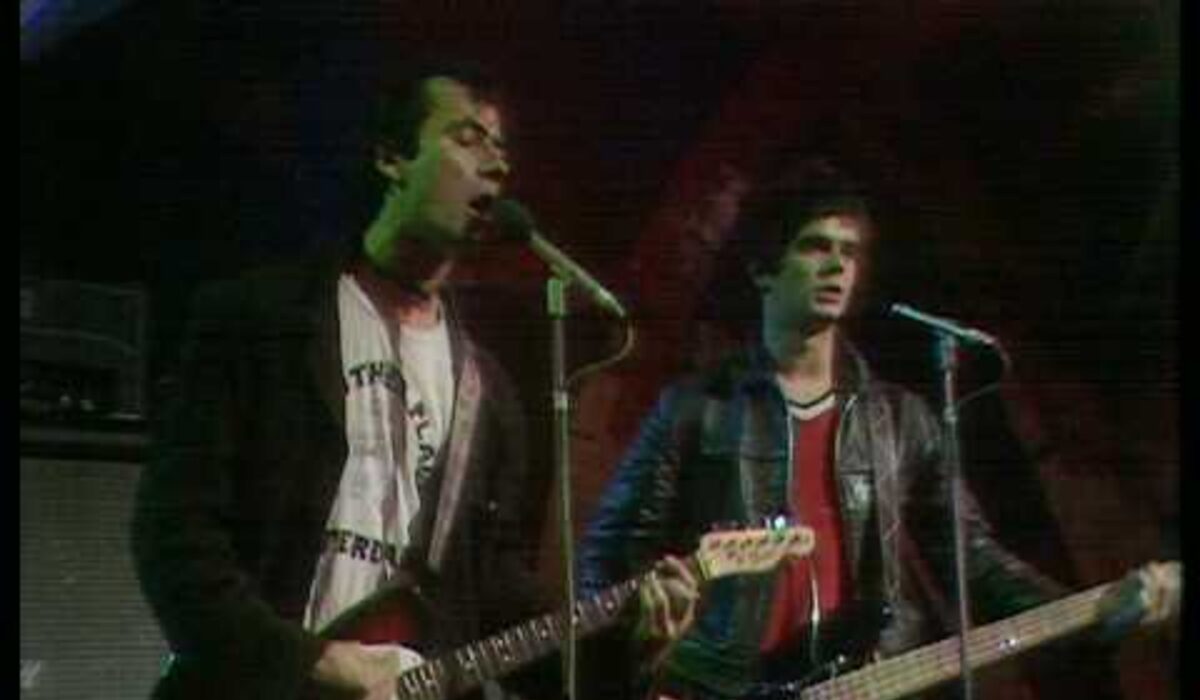
The song remains a set-list staple because the bass riff and the roll-call lyric still cut in a club. Reunion tours and heritage bills keep recycling 1977 Stranglers; this track needs no soft rewrite to land.
The title says the heroes are gone. The bass riff stays. That gap is the song, and it still works when the bass hits first. For a 1977 United Artists single that argued with punk fashion from day one, No More Heroes is a short account of The Stranglers’ dry humor and Burnel-led attack. Turn the bass up and the list is still sharp.

Amy | 10 October 2026
|
First time I heard No More Heroes was on a burned CD. Still got the scratches in my head.
Bea | 11 October 2026
|
Kinda basic of me but No More Heroes is still top 5 The Stranglers for me. Fight me.
Ben | 11 October 2026
|
Bass line on No More Heroes is the whole argument. Rest is decoration. Might be recency bias but I do not care today.
Tom Riff | 11 October 2026
|
Simple song, big feeling. No More Heroes still does that.
Ivan | 12 October 2026
|
People sleep on how weird No More Heroes actually is. This article gets it. Might be recency bias but I do not care today.
Sara | 13 October 2026
|
Cool. Now I want the deep cuts around No More Heroes too. Ok bye.
Emma | 14 October 2026
|
People sleep on how weird No More Heroes actually is. This article gets it. Fight me.
Rita | 15 October 2026
|
Anyone else think the live versions of No More Heroes are better? Studio still wins for me though. I told my coworker and they shrugged. Their loss.
Marie-Claire | 16 October 2026
|
Kinda basic of me but No More Heroes is still top 5 The Stranglers for me. I told my coworker and they shrugged. Their loss.