
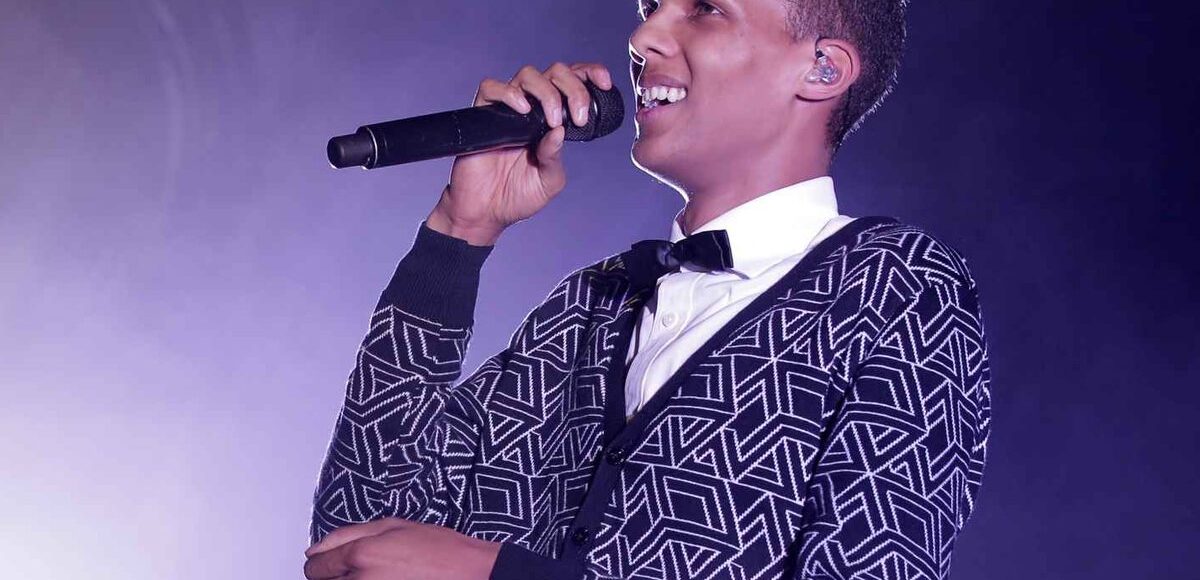
A still father, a boy at the window, a chorus you can shout
The title is a sentence said as one word. Papaoutai is “Papa, où t’es,” dad, where are you, run together the way a child hurries it. Stromae, Paul Van Haver, put the song out as a digital single in Belgium on 13 May 2013, the lead single from Racine carrée, released on 16 August 2013 on Mosaert. His father, Pierre Rutare, a Rwandan architect, was killed in the 1994 genocide. He had already been largely absent from his son’s life. The track is about that gap, and about the fear of having no model for being a father yourself.
It does not sit in a ballad tempo. A kick drum keeps a house pulse while the guitar figure leans on Congolese rumba and soukous, music tied to his father’s part of the world, set under a Brussels electronic beat. Stromae has described his own mix as Congolese rumba, rap, French ballad and electro-pop. Here the rumba is not a sample dropped in for colour. It is the riff you hum after the chant stops. The chorus is a shout more than a tune, easy to join, hard to paraphrase. Mosaert has also pointed at the French slang empapaouter, to fool someone, hiding inside the same sound. The pun is there if you listen for it. The sentence is clearer.
The video arrived on YouTube on 6 June 2013, directed by Raf Reyntjens. A boy, played by Karl Ruben Noel, tries to get a response from his father, played by Stromae, who sits like a mannequin in a too-bright house. Other parents and children in the street wear matching clothes and dance: a mother and daughter, a bin man and his son, a father whose moves come from krump. That dancer is Ceasare “Tight Eyez” Willis, brought in by choreographer Marion Motin, who was working with Stromae for the first time. In the last movement you are not sure the dance with the father is happening outside the boy’s head. The clip shows him alone in the car. The duet may be the wish.
You are looking for the best representation of an absent father. And to have no father in the video was too obvious, too easy. The best idea was just to have a mannequin.
(Stromae, Pitchfork, on the video)
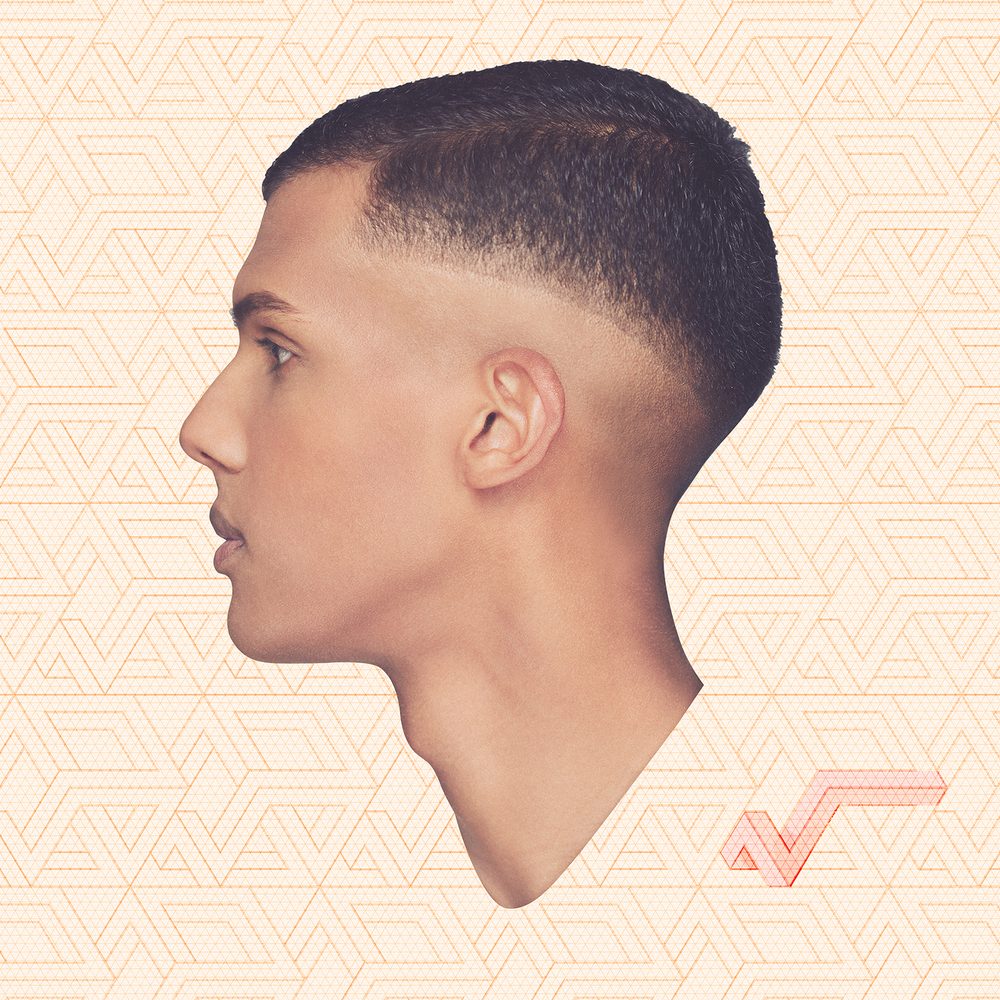
The single went to number one in Belgium and France and became the best-selling single in Belgium in 2013. An Angel Haze remix followed. None of that changes the recording: the guitar pattern, the kick, the doubled vocal on the title. Racine carrée sold in the millions across Europe. This is the track that opened that door, three years after Alors on danse had already proved he could fill a club with a sad sentence. The difference is the guitar. The 2009 hit was a synth and a list. This one brings a rumba figure into the same kind of directness.
Play the 2013 single. The mannequin is in the video. On the record you only have the chant and the guitar, which is enough. It is a pop song about a father who is not there, and it does not soften the question to get to the chorus. The boy in the clip learns the dance by watching other families. The singer, by then a star, is the one sitting still.