
Parsons recorded each clock alone, then lined them up
Time starts before the band does. The alarms and chimes are not a room of clocks that happened to strike together. Alan Parsons, the engineer, had recorded them for a quadraphonic demonstration. He took a portable tape machine to an antique clock shop near Abbey Road, had the owner stop the other clocks, and recorded each one on its own, ticking and chiming. Back at the studio he lined them up on the multitrack so they would strike as one.
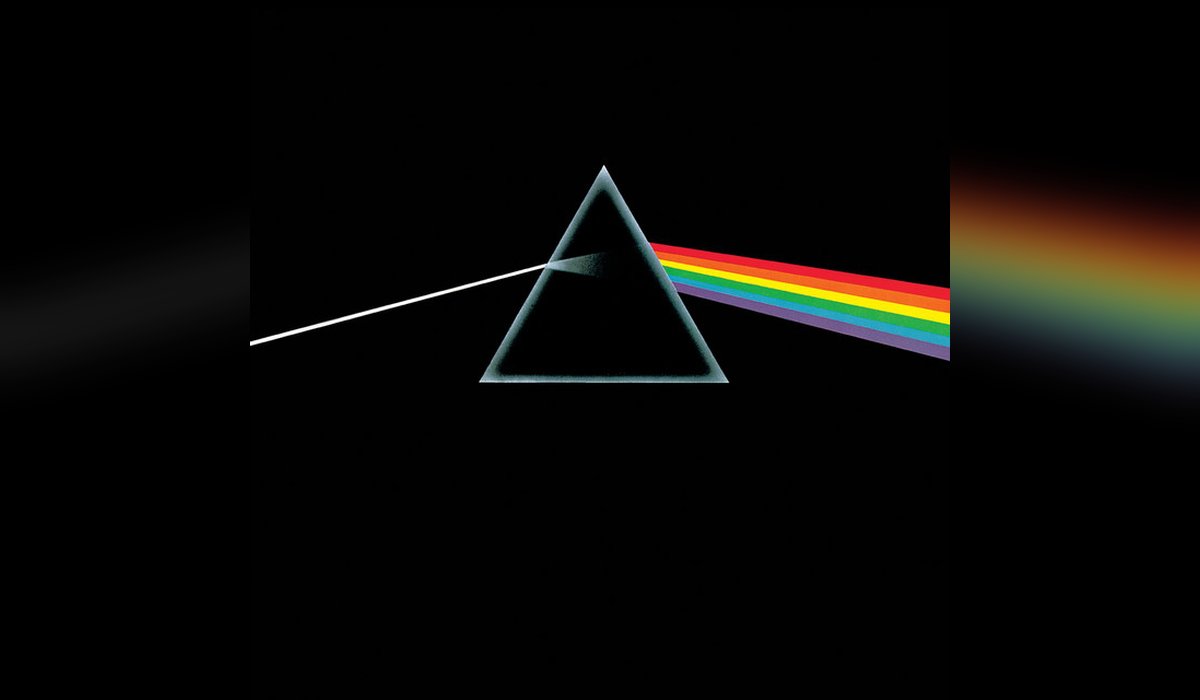
The song was already in the live suite. Parsons has said the ticking bass was in the original Eclipse show, and the clocks were added afterwards, fitted to a tempo they were already playing to a click. The basic track went down at Abbey Road’s Studio 2 on 8 June 1972, the day after the basic track for Money. The album sessions ran on through January 1973. Pink Floyd produced the record. Parsons engineered it. Harvest released The Dark Side of the Moon in the United States on 1 March 1973 and in Britain on 16 March.
After the chimes, Nick Mason plays a run on rototoms and the song starts. Waters wrote the lyric, about years going past while you wait to begin. Gilmour sings the verses and plays the guitar solo. Wright sings the bridge, the section about lying in the sunshine and staying home to watch the rain. Doris Troy, Lesley Duncan, Liza Strike and Barry St. John sing the backing vocals. The track then falls into a short reprise of Breathe, and on into The Great Gig in the Sky.
The clocks were not cut in the song’s own session. Parsons had made them earlier and asked the producer of an EMI sound-effects record whether Pink Floyd could use the tapes. The answer was yes. He did not walk into the shop and catch every clock striking at noon. He stopped the room and recorded them singly, then slid the tracks until the chimes landed together. Mason’s rototoms are the bridge from that edit into the band. The backing singers come in on the later sections, not under Gilmour’s first verse. Wright’s bridge vocal is the other lead, the line about being tired of lying in the sunshine. Parsons’ pay for the whole album was his Abbey Road staff wage. The clocks were part of that job.
I made stereo recordings in an antique clock shop not far from the studio. I went out with a portable tape machine, got the owner to stop all the other clocks, and recorded each one at a time. Then I comped them together on the multitrack.
(Alan Parsons, on the clocks for Time)
On stage from the 1972 tour onward, the clocks came off tape while the band waited to come in. The recorded solo is Gilmour’s, unhurried, on the same Abbey Road reel as the rest of the side. The song is not a story about a remaster. It is a shop recording edited onto a June 1972 basic track, with Mason’s drums answering the last chime.
The album went to number 1 in America and number 2 in Britain, and it stayed on the Billboard 200 for 741 consecutive weeks. Time is the track where the concept is just a clock and a missed start. The trick that makes the intro work is plain: one clock at a time, then the rototoms.