The other A-side, with a harmonica instead of the grin
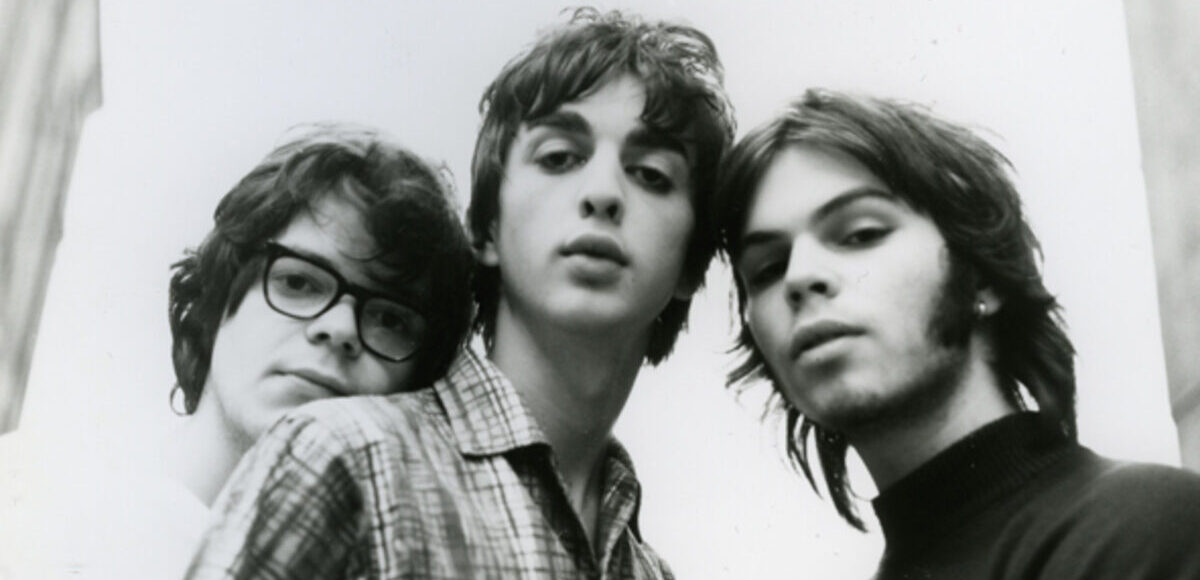
Mick Quinn remembered a rainy day in his living room. Gaz Coombes turned up with a chord sequence, they went straight through it, and the sketch landed on a four-track. That was Time, track 11 of I Should Coco, and the second A-side of the single that would stop at number two. It does not sprint. Caught by the Fuzz and Mansize Rooster are the pub set at full tilt. Time sits down: a blues drag, Gaz less cheeky, and a harmonica solo that the session credits give to Quinn.
The album sessions split in two. The first, paid for out of shifts at a Harvester, was six songs in five days at Sawmills in Cornwall, with producer Sam Williams already in the room. Parlophone’s budget then bought a longer stay. MusicBrainz logs Time between February and August 1994, John Cornfield engineering, Williams on keyboards, Quinn on bass and harmonica, Danny Goffey on drums, Gaz on guitar and vocal. On the 30th anniversary Coombes told The Independent that the further they got into the studio stash of weed, the more psychedelic the record went. Time and the six-minute Sofa (Of My Lethargy) are where you hear it. Danny has said the first eight or nine songs run at about 150 miles an hour. These two are where the tempo drops and the Beatles and Kinks listening is allowed to show.
As a single, Time did not get the bicycles. Alright did. Dom and Nic still shot a clip, later posted by the band in HD, but the chart story was the double A-side. Released 3 July 1995 on Parlophone, Alright/Time entered the Official Singles Chart at number two on 15 July and spent ten weeks on it. The disc also carried Condition, their cover of Mickey Newbury’s Just Dropped In (To See What Condition My Condition Was In), a hit for Kenny Rogers, and Je suis votre papa sucre, a short instrumental. I Should Coco itself had arrived on 15 May 1995 and gone to number one. Time was already on it, waiting, while Alright became the song strangers recognised in the street.
I remember writing that song in my living room on a rainy day and Gaz sort of turned up with this chord sequence and we just went straight through it and just did it on 4 track.
(Mick Quinn, BBC Radio London, 2005)
The B-side logic matters. Parlophone could have buried Time. Instead it sat level with the hit, which is why the catalogue number people remember is the double header. Listeners who only knew the Portmeirion clip got a second song that does not smile on cue. The harmonica is the tell. Quinn steps out of the bass role for a few bars, Williams’s keyboard holds a darker bed, and Goffey’s drums stop trying to outrun the vocal. It is still Supergrass, still spare, but it is the first time the debut admits the day can be slow.
On the anniversary tours the fast songs still open the night. Time is the proof that the second Sawmills visit was not an accident. The weed line is funny because the tape agrees with it: after the sprint, a blues, then Sofa. If Alright froze the band as teenagers on bikes, Time is the Oxford living room where the chords arrived in the rain, before anyone had a number two to complain about.