
Written in Oxford, then left sparse at Hansa
Butterfly is the last track on Diamond Hoo Ha, five minutes and ten seconds, written by Gaz Coombes, Danny Goffey, Mick Quinn and Rob Coombes. It was not a single. The singles were Diamond Hoo Ha Man, Bad Blood, which reached UK number 73, and Rebel in You. The album came out on Parlophone in the UK on 24 March 2008, and on Astralwerks in the United States. Nick Launay produced and mixed. Ian Davenport engineered. Sam Williams, who had produced the band’s first Sawmills recordings, added arrangements. You hear a band that knows how to pile instruments on, choosing not to.
The sessions ran from January to November 2007 at Hansa Tonstudio in Berlin, with further work in Los Angeles. Danny Goffey described the Hansa room as barely changed since the 1970s: the furniture uncleaned, the desk unreliable, the first backing track taking three or four days. The songs themselves were written earlier, back in Oxford. A listener can hear a 1970s phrasing in the vocal and think of Bowie, who had worked in the same building. Gaz told the Nottingham Post in April 2008 that they do not plant those references on purpose. They stumble on a Stones edge, or a Bowie feel, or something that reminds him of Talking Heads, and then they leave it. Butterfly, he said, was about emotional power with the overdubs kept off.
That sparseness sits inside a louder record. After Road to Rouen in 2005, Diamond Hoo Ha was the album where they pushed the energy again. Launay had told them he already knew what they could do live and wanted a record where they all went for it. Much of the album does: riffs, speed, the short songs up front. While they were working, Mick Quinn broke his back in France in the summer of 2007. Gaz and Danny went out as the Diamond Hoo Ha Men, a guitar-and-drums duo, so the new songs could be played without rebuilding the band around a stand-in bass player. By the time the album was finished, Mick was back. Butterfly is where the volume comes off anyway. The lyric turns on butterfly wings and small decisions, the sense that you are owed very little and that a tiny choice can still send you somewhere.
For me, Butterfly has a kind of epic quality, but in quite a raw way. There aren’t too many instruments plastered all over it, just a sort of emotional power.
(Gaz Coombes, Nottingham Post, 2008)
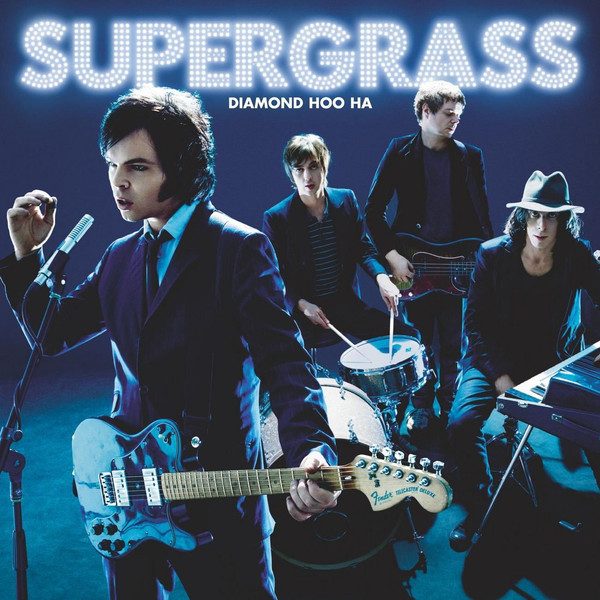
Hear it after Outside, the track before it. The album has been loud for half an hour. This one opens the window. Rob’s keyboards sit back. Danny does not sprint. Gaz sings as if the song is allowed to be longer than the rock single the band had used since Caught by the Fuzz. It is the closer on what turned out to be their last studio album before they announced the split in 2010. The Diamond Hoo Ha Men costumes, the white suits and the little-club shows, belong to the campaign. Butterfly belongs to the record’s last five minutes, where the campaign stops grinning.
You do not need the singles to hear what the album is willing to leave out. Five minutes, not many overdubs, a chorus that does not chase the Alright smile. After a decade of being the cheerful Oxford band, this is the track that ends the loudest late album by getting quieter. Put Diamond Hoo Ha on and stay for the end. The Hansa room is in the drums. The Oxford writing is in the vocal. The restraint is the point.