
Faltermeyer Munich grid, Mael on top
When I’m With You opens on strict synth pulses and a steady disco-era grid while Russell Mael’s voice cuts warmer through the chrome. Sparks (Ron and Russell Mael), Los Angeles natives long adored in Europe, recorded it in Munich with Harold Faltermeyer, from Giorgio Moroder’s circle. Synthetic precision met their eccentric pop writing. By 1979 they were seasoned shape-shifters; this single locked onto European dance radio without sanding off the oddness.
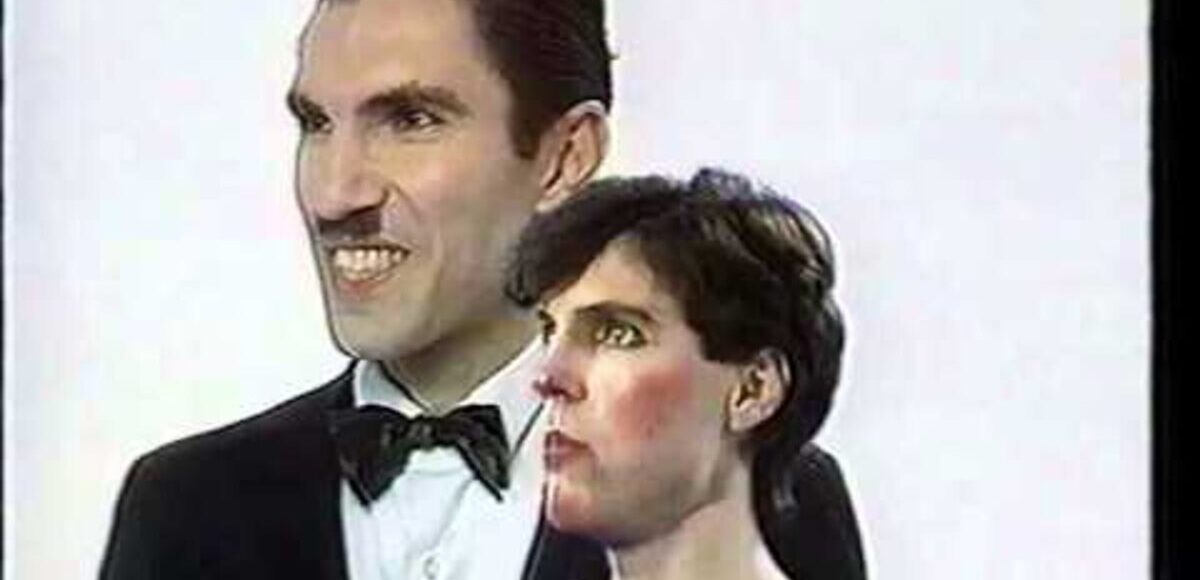
Molly Meldrum on Countdown flagged a typically eccentric promo: Russell mouthing lyrics as a ventriloquist’s dummy on Ron’s lap. Image and song matched: control, humor, slightly uncanny affection. The beat never loosens into jam-band sprawl. It stays robotic and strict so the vocal hook can sit like a spotlight. Listeners who only knew Sparks from earlier glam-adjacent satire found a leaner, more electronic Mael brothers here.
Munich studios in that Moroder years mattered: tools for sequencers, clean kicks, and pop length. Sparks used them without becoming a generic Italo act. The result still plays on synth-pop retrospectives beside warmer human lead vocals than many peers allowed. Precision wrapped around a love lyric that sounds half trapped in the loop on purpose.
A typically eccentric effort, with Russell Mael mouthing the song’s lyrics as a ventriloquist’s dummy, sitting on Ron Mael’s lap.
(Molly Meldrum, Countdown, 1980)
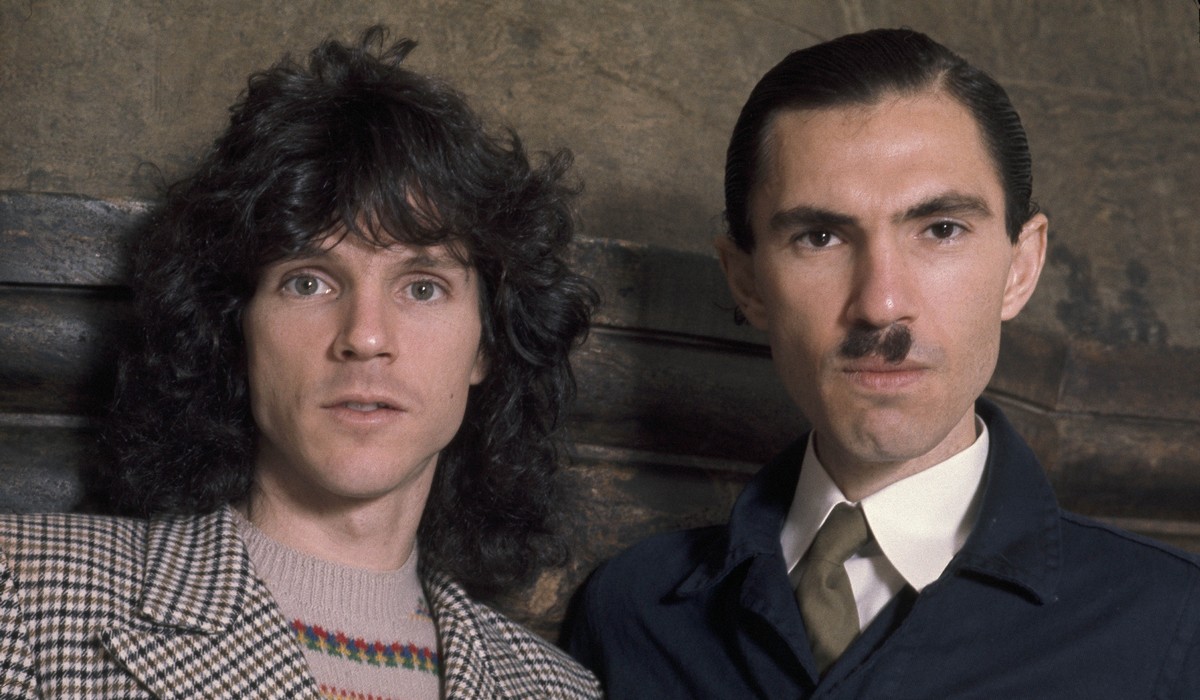
Catalog context: another proof Sparks could reinvent the frame and keep the brother chemistry. DJs chasing early Faltermeyer-adjacent pop still pull this title. Concrete trail: Munich, Faltermeyer, Countdown oddity, European embrace. That trail is clearer than neon tunnel metaphors ever were.
When the synthgrid and the Mael vocal lock, the song does enough. No mystery religion required.
The Mael brothers’ habit of changing costumes and production frames kept them hard to market in the US and easy to adore in parts of Europe. Munich time with Faltermeyer placed them inside the same technical city that powered Donna Summer’s Moroder hits, yet Sparks remained Sparks: witty, stiff-backed, slightly uncanny. Russell’s falsetto-adjacent lead over a strict grid is the pleasure center; Ron’s writing and deadpan image complete the brand.
Countdown’s ventriloquist sketch is not a side note. It shows how they understood TV as another instrument. Synth-pop retrospectives that skip Sparks miss a link between glam eccentricity and sequencer discipline. When I’m With You is that link in single form: love lyric, machine pocket, brother chemistry, Munich craft. Cue it when someone asks for disco-era electronics with a brain and a smirk.