
Bay City to New York clubs, then chart control as a job
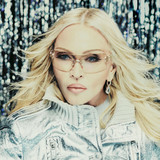
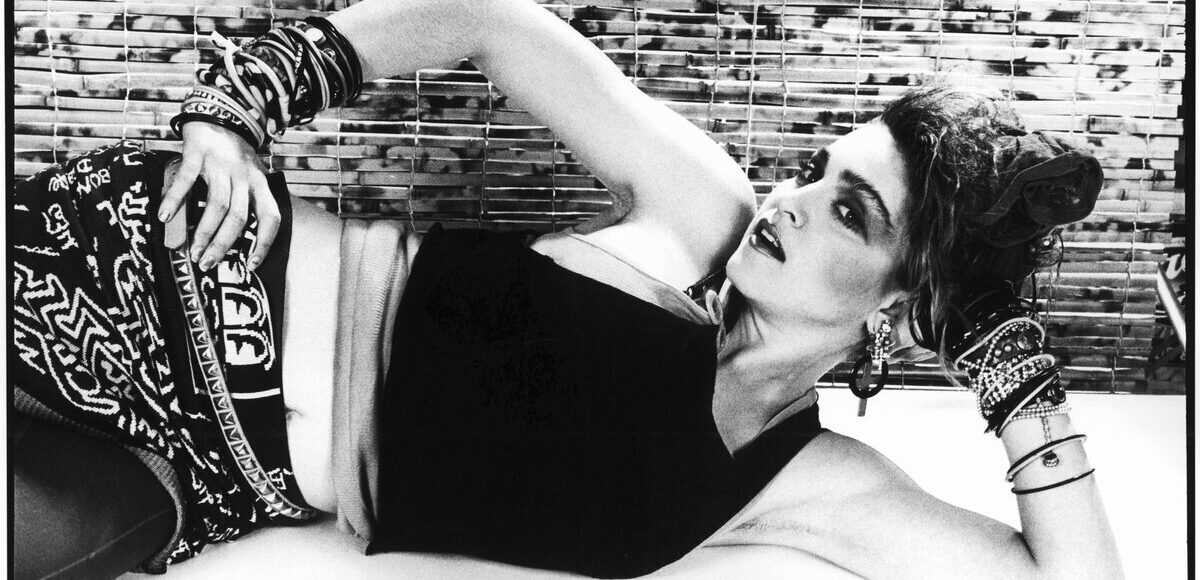
In the early 1980s, Madonna Louise Ciccone moved through New York clubs with demo tapes and dance training, not with a major-label guarantee. She worked with DJs, learned the floor, and understood that pop stardom was partly choreography and partly timing. When «Everybody» and «Burning Up» reached dance charts in 1982 and 1983, the voice was not yet the powerhouse of later ballads. It was cool, slightly detached, and already aligned with the beat.
She was born in Bay City, Michigan, in 1958, raised in the Detroit suburbs, and studied dance at the University of Michigan before leaving for New York in 1978. Early jobs included waitress shifts and backup dancing. That path matters: Madonna’s career was never only about singing. It was about image control, video, and the next look as a product cycle she managed herself.
Like a Virgin (1984) and True Blue (1986) turned her into a global pop figure. Nile Rodgers produced the title track of Virgin; Patrick Leonard and Stephen Bray became long-term writing partners. «Material Girl,» «Into the Groove,» «Live to Tell,» and «Papa Don’t Preach» show how quickly she moved from club cool to MTV narrative. The videos were part of the songwriting package: Catholic imagery, Marilyn nods, and deliberate provocation that kept press cycles busy.
Influences were disco, post-punk dance floors, gay club culture, and the visual language of Hollywood glamour rebuilt for cable television. She borrowed from Prince, Cyndi Lauper, and Janet Jackson’s competition without sounding like any of them. What she kept was work ethic: tour, record, video, repeat, and change the costume before the audience finished memorizing the last one.
The late 80s and 90s deepened the method. Like a Prayer (1989) mixed gospel chords with personal confession. The Immaculate Collection (1990) proved remix culture could be a career strategy. Ray of Light (1998) with William Orbit brought electronic texture and Kabbalah-era introspection into stadium scale. Music (2000) and Confessions on a Dance Floor (2005) kept the dance floor central even as age became a headline writers could not resist.
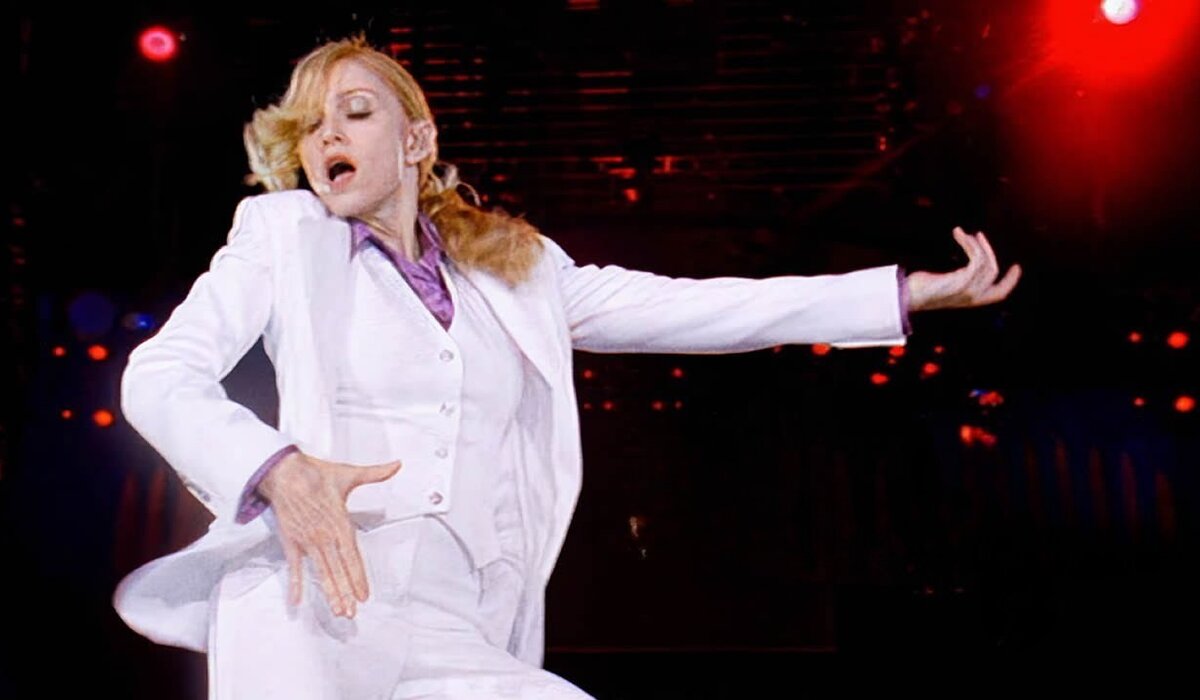
Live, Madonna built shows as large-scale design projects: catwalks, religious tableaux, military jackets, and later acoustic interludes to prove the voice could still carry a room. Critics argued about lip-sync and spectacle; fans bought tickets because the event was the point. The Super Bowl halftime performance in 2012 and subsequent tours showed the same appetite for scale.
The voice sits mid-range with a nasal edge that cuts through dance mixes. Producers from Jellybean Benitez to Orbit to Mirwais learned to leave space for that clarity. Ballads such as «Live to Tell» and «Frozen» reveal a fuller chest tone when the arrangement drops away. Up-tempo cuts prioritize rhythm and hook over vocal acrobatics.
Entry points depend on which Madonna you need. Like a Virgin and True Blue for 80s pop architecture. Like a Prayer for the pivot into adult themes. Ray of Light for the electronic reinvention. Confessions on a Dance Floor for pure club sequencing. Add «Holiday,» «Like a Prayer,» «Vogue,» and «Hung Up» and you span twenty years without leaving the dance idiom.
Beside Prince, she shared 80s Minneapolis-adjacent funk and video ambition but with a more linear chart focus. Beside Janet Jackson, she shared dance-pop dominance and MTV leverage but with sharper image reinvention cycles. What distinguishes Madonna is the consistency of control: she treated persona as a project to update, not a truth to reveal once.
She deserves attention because she documented how pop would work after MTV: singer as director, brand as album cycle, controversy as schedule. Love or resist the persona, the catalogue is a map of production trends from 1982 forward. Listening in sequence shows craft beneath the headlines, and why each era’s sound still clears a floor.