
The tape that kept breathing
In another Seattle weather, the fourth Nirvana album left the rehearsal room with a title nobody liked and a sequence everybody argued about. Kurt still wrote like someone opening a window in winter. Krist still held the low end like a road that refused to apologize. Dave still hit the drums as if time itself needed convincing. The coffee was terrible. The amps were honest. The rain did what rain always does in that city: it made every unfinished idea sound urgent.
They called the record a working name for months. One week it was a joke. The next week it was a threat. Tape boxes stacked beside a cracked window. Krist drew track lists on napkins and then lost the napkins. Dave kept time on the rim of a pizza box when the kit was too loud for the neighbours. Kurt arrived late, early, or exactly when the song demanded it, which was never when the schedule demanded it.
The album was not Nevermind again and not In Utero again. It was thinner in places, denser in others, full of half-spoken jokes and sudden quiet. There was a song that began like a lullaby and ended like a door slamming in a hospital corridor. There was a song so short that radio programmers cursed it and fans learned it twice as fast. There was an instrumental that sounded like a city learning to breathe after a blackout.
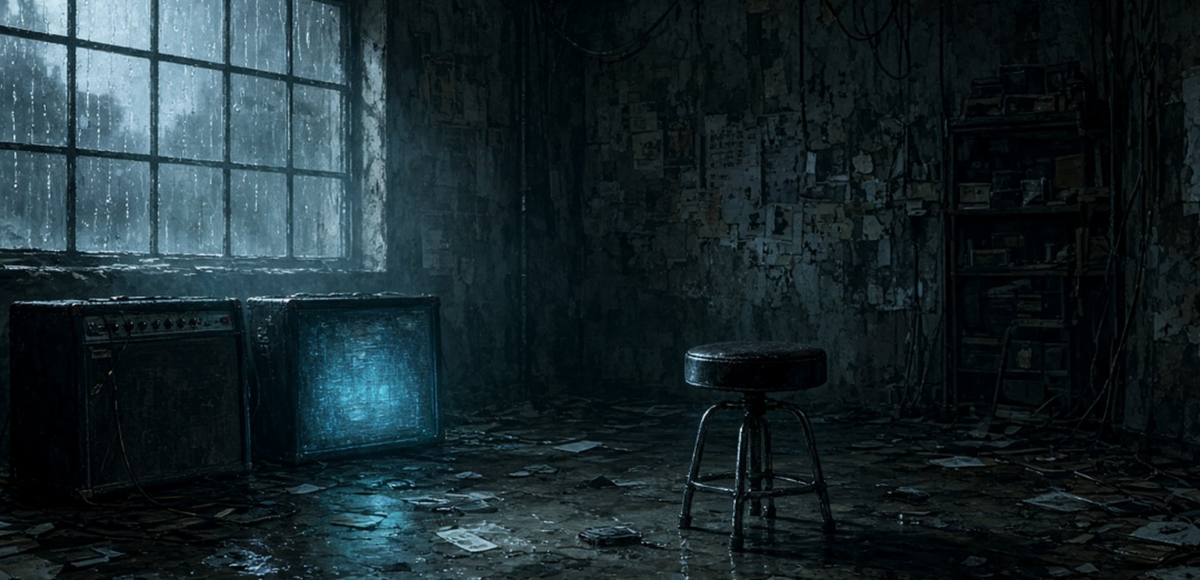
Radio wanted a single with a smile. The band gave them a song that refused to smile on cue. The video was almost nothing: a rehearsal room, rain on glass, three people playing as if the camera were an accident. MTV played it anyway because the chorus had a gravity you could not schedule away. Teenagers taped it over sitcoms. Parents asked what the shouting was for. Nobody had a clean answer, which was part of the point.
Touring was careful, then messy, then careful again. Interviews still hurt. Stages still felt too bright. In Chicago, Kurt nearly cancelled and then played as if cancellation itself were a riff. In London, the monitors failed and the band leaned harder into each other until the room became a single instrument. In Tokyo, a quiet encore surprised everyone, including the band. In São Paulo, the crowd sang a verse Kurt had almost cut, and he laughed into the mic like someone caught being loved against his will.
Between cities, the myth tried to freeze them into a last photograph. Magazines wrote endings in advance. Gossip preferred tragedy because tragedy is tidy. The band refused tidiness by finishing takes, arguing about fades, and mailing rough mixes to friends who still owned cassette decks. Courtney sent notes that were funny and sharp. Krist’s family sent soup recipes that nobody followed and everyone appreciated. Dave kept a private list of drum feels named after weather systems.
The second single arrived with a bassline that walked like it had somewhere private to be. Clubs played it before radio admitted it existed. A late-night host asked Kurt what the song meant. Kurt said it meant Tuesday. The host blinked. Kurt added that Tuesday was harder than people think. The clip circulated for years as proof that he could be gentle without becoming small.
In the studio for the B-sides, they recorded a cover so tender it embarrassed them, then left it off the album because embarrassment can be a compass. Bootlegs later made it famous anyway. Kurt pretended to mind. Krist did not pretend. Dave shrugged and counted off another take. Somewhere in the tape hiss was the sound of a band deciding to continue.
By the time the fourth album went platinum, the culture had already invented a hundred stories about what they were. None of those stories included the ordinary labour of arranging guitars so the verse had air. None included Krist tuning for twenty minutes while rain redraw the alley outside. None included Dave refusing a click track because the song needed to stumble honestly. The real story was less cinematic and more durable: three people still curious about the next song.
There were near endings. A week in 1995 went silent after a fight so sharp that even the pizza went cold. Newspapers sharpened their verbs. Then a cassette arrived at each house with the same unfinished bridge and three different ideas for the last chorus. They reconvened not out of nostalgia but out of unfinished business with melody. Unfinished business, it turned out, was a form of hope.
Later tours grew quieter in the best places and louder in the necessary ones. They played theatres where you could hear the words. They played festivals where the words became weather. Younger bands claimed they heard the unfinished drafts first. Collectors hunted alternate takes with the hunger of archivists and thieves. None of that mattered in the room where the fourth album was simply finished: imperfect, loud enough, and still breathing.
Spring came late that year and the band used the delay as an excuse to rewrite the middle of the record. A song that had been loud became almost conversational. Another that had been quiet grew a second chorus with teeth. Kurt paced the parking lot repeating a line until the line agreed to be a lyric. Krist sat in the van with the windows cracked, listening to buses and calling them percussion. Dave tested tempos by walking around the block and coming back slightly out of breath, which he treated as data.
They invited almost nobody into the sessions. A friend brought Thai food and left before the next take. An engineer argued for more polish and then, hearing a cracked vocal that told the truth, stopped arguing. The cracked vocal stayed. Truth, for Nirvana in this weather, still preferred a little damage.
On release day they hid from celebration by playing a tiny unannounced set in a room that smelled of old carpet and new hope. Twenty people were there. Two of them cried. One of them laughed at the wrong moment and then at the right one. Kurt dedicated a song to nobody in particular, which somehow felt precise. Afterward they ate fries in a car and listened to the silence that follows a decision you cannot undo.
The press cycle tried to turn the fourth album into a referendum on grunge. The band turned every referendum into a discussion of songs. Songs were safer and more dangerous at once. Safer because they were concrete. More dangerous because they kept revealing what the questions wanted to avoid: that continuation can be as radical as collapse.
Years on, when the applause had learned new rituals and the rain still recognized them, they stood in a small Seattle hall for a local honour none of them trusted. The plaque was heavier than it looked. Kurt leaned toward Krist and whispered, “Do you ever think about the version where we stopped?” Krist smiled sideways. “We did stop. Then we started again.” Dave tapped a quiet count on his knee. The room leaned in.
And outside, the rain kept time, as if the city itself had agreed to keep the fourth album from becoming a rumour.
In hotel rooms they left sketches everywhere: chords on room-service menus, drum patterns on the backs of tour laminates, a bass idea hummed into a cassette marked maybe. The maybes became the album’s secret architecture. When journalists asked for the theme, Krist said survival. Dave said momentum. Kurt said weather. All three were right enough to keep the songs from hardening into slogans.