From the Beatles’ last sessions to Imagine, New York, and Double Fantasy
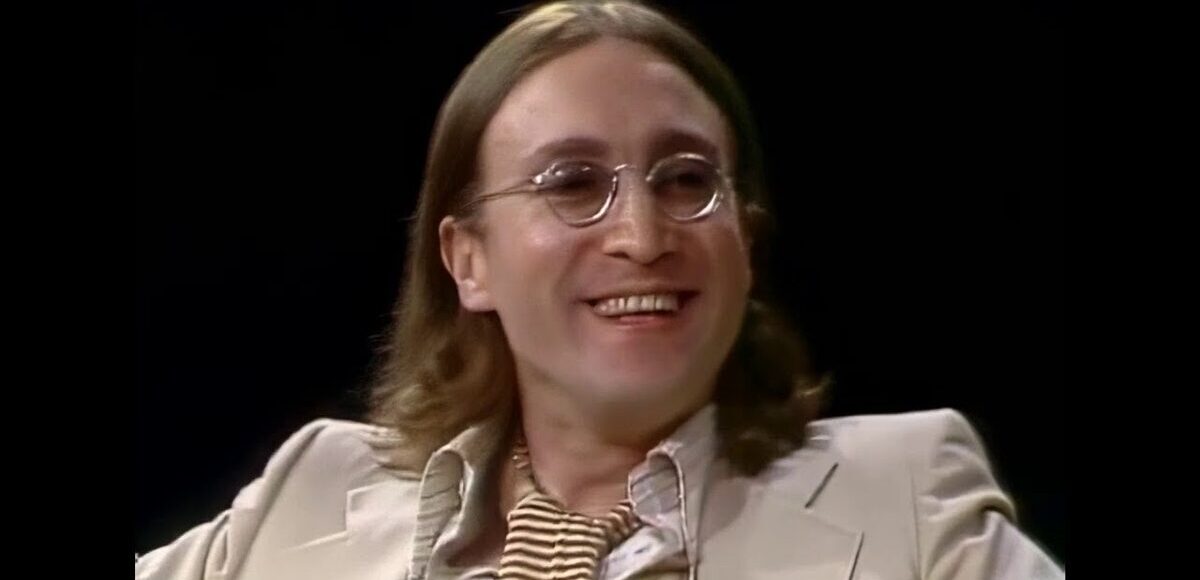
When the Beatles stopped touring in 1966 and then dissolved in 1970, John Lennon already carried songs the group would not finish his way. Plastic Ono Band (1970), recorded with Yoko Ono, Phil Spector producing, and Ringo Starr on drums for several tracks, stripped everything back: piano, drum kit, voice close to the mic. « Mother, » « Working Class Hero, » and « God » read like therapy notes set to melody, blunt about childhood, fame, and belief.
Imagine (1971) opened the room without losing the direct address. The title track became an anthem; « Jealous Guy » and « Oh My Love » showed the gentler side of the same writer. Lennon moved between political noise (« Power to the People, » « Happy Xmas (War Is Over) ») and domestic life with Ono in Ascot and later New York. Some Time in New York City (1972) with Elephant’s Memory documented the activist period; results were mixed artistically but sincere in intent.
The mid-70s « lost weekend » in Los Angeles produced Walls and Bridges (1974) and the surprise number-one « Whatever Gets You thru the Night » with Elton John on piano. Lennon stepped back to raise Sean Ono Lennon, baking bread and staying out of the spotlight until Double Fantasy (1980), a comeback duet album with Yoko that paired « (Just Like) Starting Over » with her songs on the same record.
Mark David Chapman’s murder in December 1980 cut the second act short. Posthumous releases (Milk and Honey, Anthology tracks, demos) extended the catalogue, but the living arc is clear: from scream to question to domestic restart. Lennon’s voice in solo years is drier than Beatles polish, often double-tracked plainly, with guitar or piano carrying the harmonic weight.
Influences include rock and roll roots (he covered Chuck Berry and Gene Vincent on early solo records), Bob Dylan’s confessional turn, avant-garde flux from Ono’s world, and Phil Spector’s wall of sound when it served. Lennon also loved reggae and disco enough to experiment on some late tracks without chasing charts blindly.
Sonically, Plastic Ono Band is sparse and painful. Imagine adds strings and George Harrison’s guitar on some cuts while keeping the vocal forward. Double Fantasy uses late-70s studio sheen: chorus on guitar, tight drums, adult-contemporary warmth that still leaves space for Lennon’s edge on « Watching the Wheels » and « Beautiful Boy (Darling Boy). »
Entry points: Imagine for the accessible centre. Plastic Ono Band for the raw core. Double Fantasy for the final chapter. Singles: « Instant Karma!, » « Imagine, » « Mind Games, » « Whatever Gets You thru the Night, » and « (Just Like) Starting Over. » Each maps a different mood in the same questioning voice.
Compared with Paul McCartney’s solo work, Lennon stayed rougher and more willing to embarrass himself on record. Compared with George Harrison, he wrote less about faith and more about psyche and politics. Compared with the Beatles catalogue, the solo years trade ensemble magic for diary clarity.
Lennon’s public fights (with McCartney in press, with U.S. immigration over deportation threats) fed the songs rather than replacing them. Sessions at the Hit Factory and Record Plant in the late 70s caught a writer testing whether domestic happiness could still produce friction worth recording. New York City became home base; the Dakota building and Central Park walks grounded a man who had lived inside global myth since his twenties.
He matters because the solo records ask personal questions at pop volume: who do you belong to, what do you believe, can you start again. Cover versions and charity broadcasts kept « Imagine » in public ears, but the deep cuts (« Isolation, » « How Do You Sleep?, » « #9 Dream ») show how restless he remained even at his most famous. The answers are not always comfortable, which is why they still sound alive. Play Imagine once for the hymn, then Plastic Ono Band for the argument underneath, and the solo years make sense as one long conversation that ended too soon.