Glyph album, New Power Generation
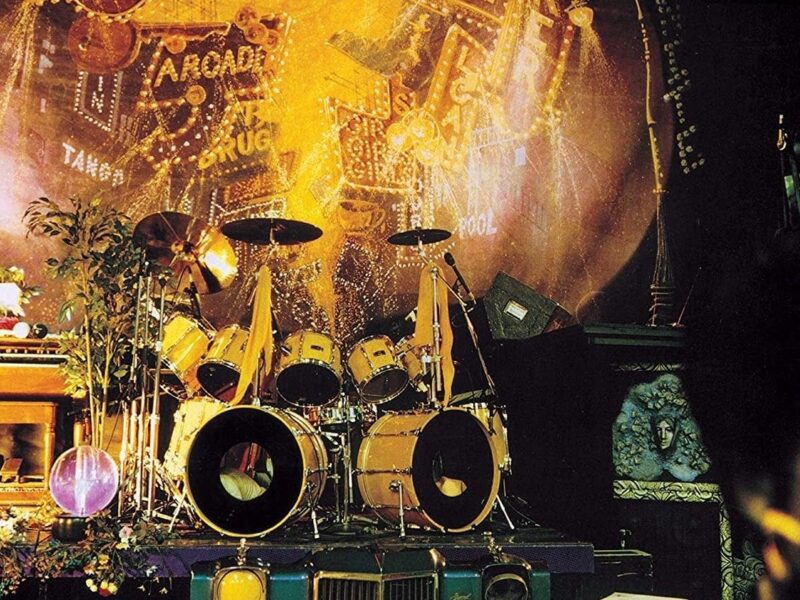
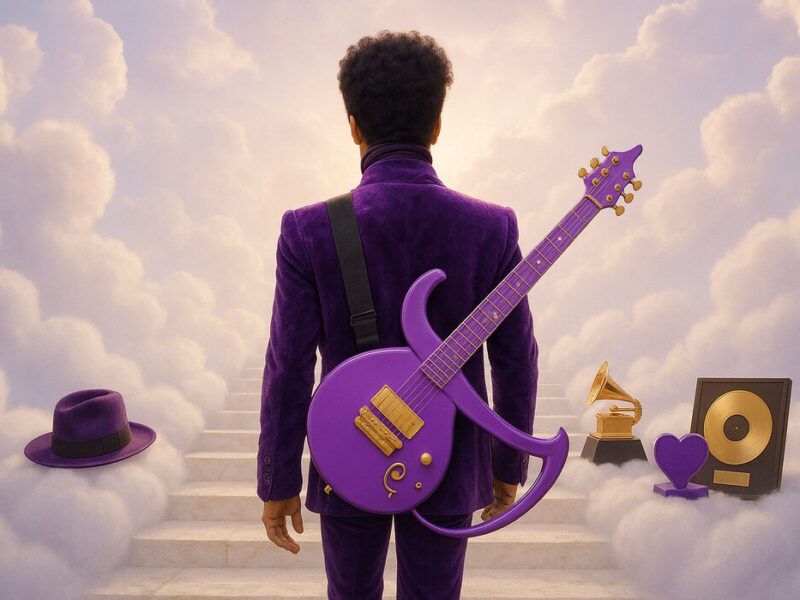
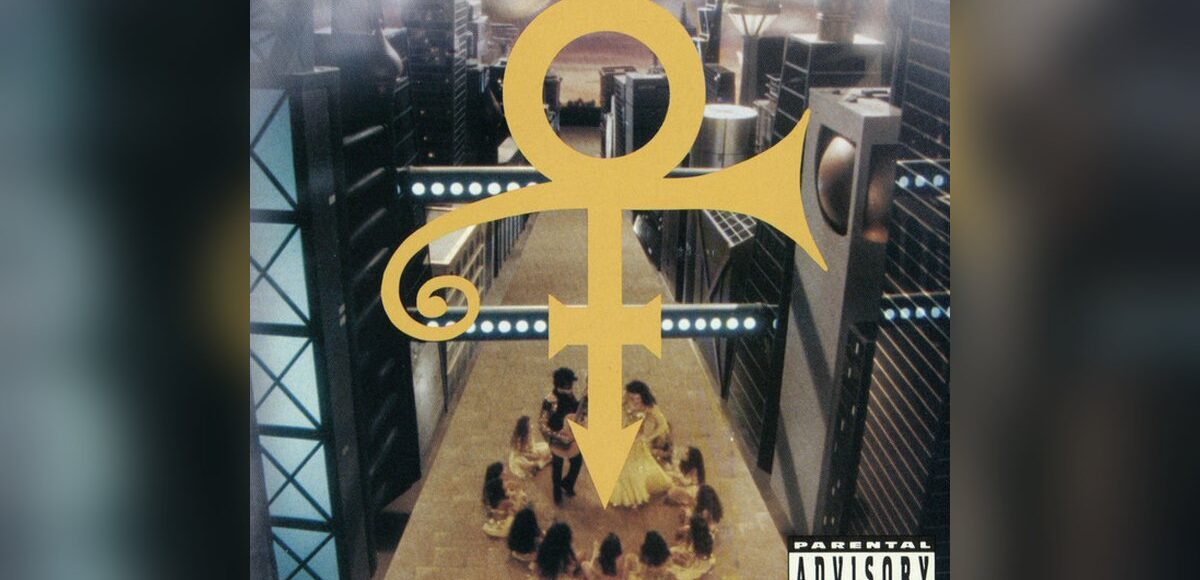
On 13 October 1992 Paisley Park and Warner Bros. released the Love Symbol album, Prince’s second full collaboration with the New Power Generation after Diamonds and Pearls. The official title is the unpronounceable glyph on the cover, later copyrighted as Love Symbol #2. Sessions stretched across 1990–92 with Michael B. on drums, Sonny T. on bass, Tommy Barbarella on keys, Levi Seacer Jr. on guitar, and the horn section that gave the record its live-band punch. Mayte Garcia debuts in the storyline; Kirstie Alley’s spoken interludes as reporter Vanessa Bartholomew keep a fake-interview gag running between songs.
The record was conceived as a fantasy rock soap opera about an Egyptian princess, a rock star, and the “3 Chains o’ Gold.” Late edits cut many segues to fit I Wanna Melt with U, leaving a long funk-pop sequence that still runs past seventy minutes and can feel discontinuous if you expect a linear plot. Sexy MF and My Name Is Prince lead with Tony M. raps and brass hits aimed at clubs and MTV. 7 borrows the “Tramp” guitar figure and became the US Top 10 single. The Morning Papers, Damn U, and The Sacrifice of Victor slow and thicken the back half with ballad framing, string charts, and gospel-tinged choir colours from the Steele family on the closer’s orbit.
Promotion leaned on the gold symbol embossed on early CD cases – sometimes matte, sometimes glossy – and on videos that kept the NPG look in heavy rotation. The glyph would soon become Prince’s stage name in the Warner dispute, so the album cover doubled as a brand launch before the name change went public in 1993. A companion film, 3 Chains o’ Gold, later tried to restore story connective tissue for home video audiences.
Designed to prove his utter inexhaustibility… this absurdly designated “rock soap opera” proves mainly that he’s got the funk.
(Robert Christgau on the Love Symbol album)
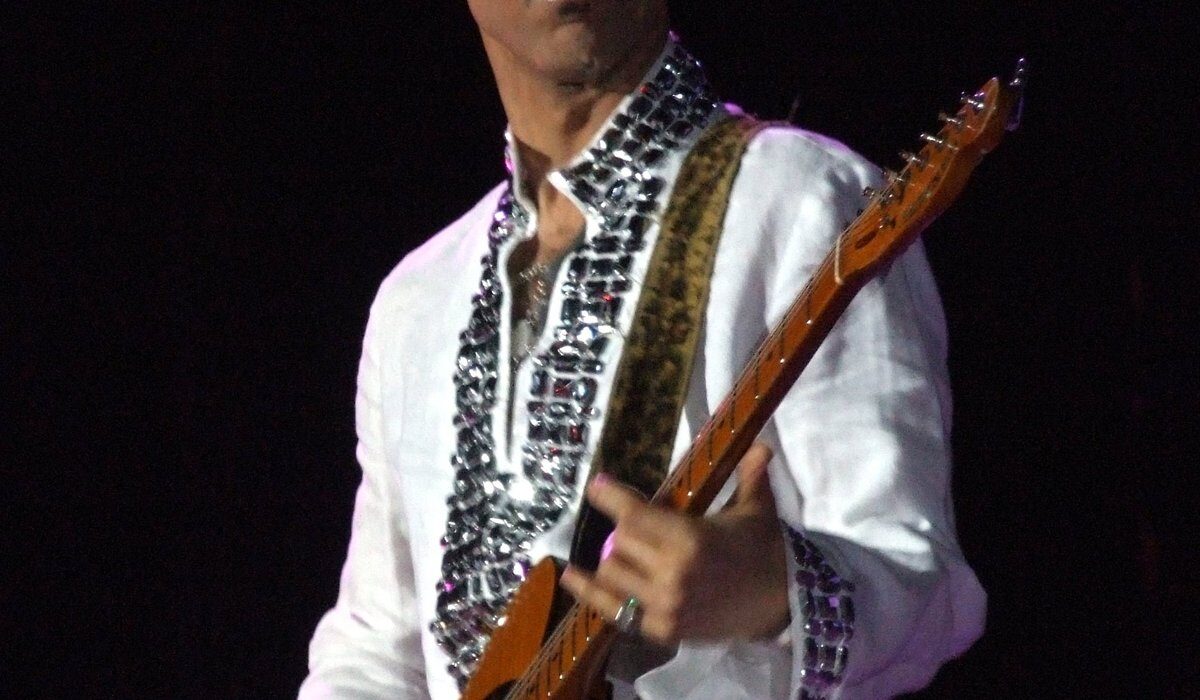
Commercially the album hit number one in the UK and Australia, number five on the Billboard 200, and went platinum in the US and UK. Sexy MF and My Name Is Prince scored harder in Britain than on the US Hot 100; 7 reversed that pattern. European charts stacked high as the NPG brass sound travelled well on continental radio. Critics split between admiration for the dense funk and fatigue at the length and the half-told soap plot.
What sticks is the practical pile-up: a band album, a copyrighted hieroglyph, and enough singles to keep radio busy while the vault war with Warner simmered. For listeners who came in through Diamonds and Pearls, this is the denser NPG document, horn charts and all, before the name on the marquee became a drawing. It rewards repeat plays more than first-spin narrative clarity.