
Absence and Shine On at Abbey Road
In September 1975 Harvest released Wish You Were Here, cut mainly at Abbey Road Studio Three with Brian Humphries engineering after Alan Parsons stepped aside to chase his own project. Sessions ran roughly four days a week from mid-afternoon into the night between January and July, broken by two US tours. Studio Three had just taken a Studer A80 24-track and an EMI-modified Neve; Humphries, freelancing inside Abbey Road, was still learning the room. The band had already road-tested the four-note motif that opens Shine On You Crazy Diamond in France and England the year before, after writing sketches in a King’s Cross rehearsal space.
The record is short on tracks and long on suites. Shine On bookends the album in two large parts; Welcome to the Machine and Have a Cigar sit in the middle as industry satire, with Roy Harper singing lead on the latter after Waters struggled with the high register in the booth. Wish You Were Here itself grew from acoustic sketches and a radio-static collage that still sounds like a dial spinning between stations. Early takes of Shine On had to be redone after a routing mistake dumped echo onto the backing track Waters and Nick Mason had spent hours locking. Richard Wright’s organ and synth pads carry much of the harmonic weight; David Gilmour’s guitar tone on the title track became a template for later Floyd live sets.
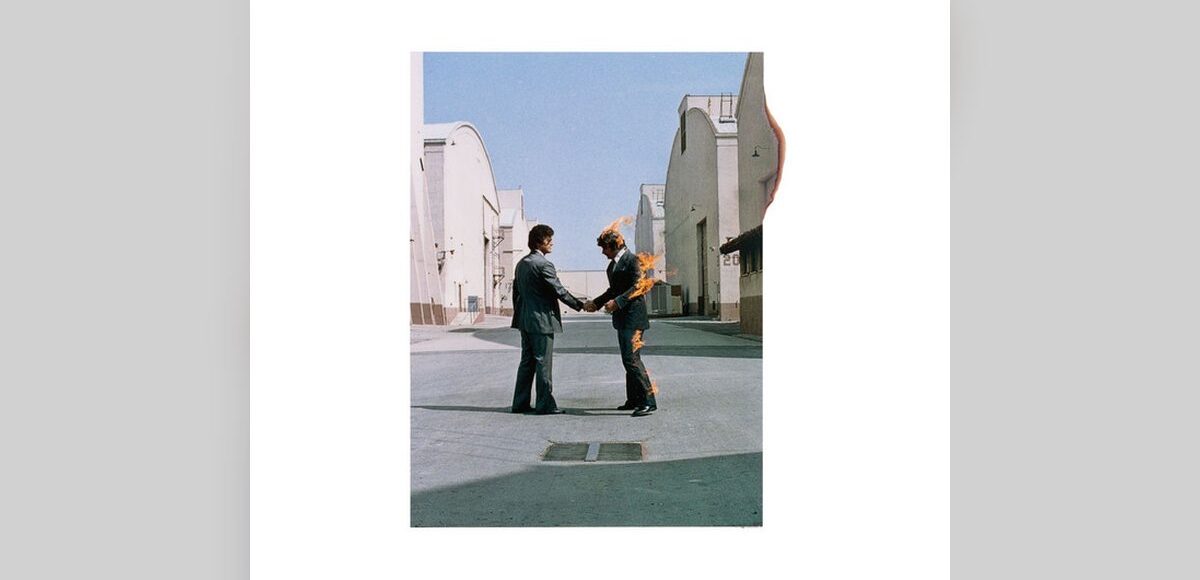
On 5 June 1975 Syd Barrett walked into the control room during playback, heavier and almost unrecognisable to the men who had replaced him years earlier. The visit landed while the album’s theme of absence was already locked. After more US dates and a Knebworth appearance in July, the band returned to finish mixes. Hipgnosis shot the handshake-on-fire sleeve on a Warner Bros. lot in Los Angeles; the burning stuntman image, and the singed-edge packaging concept, became as durable as the music. Floyd did little touring to promote the release: they had already toured twice during the sessions.
The whole thing had fallen to pieces. We were there, but we weren’t there.
(Roger Waters on the Wish You Were Here sessions, later interviews)
The album topped charts in the UK and several European territories and went multi-platinum in the US on Columbia, Floyd’s first American release for the label after leaving Capitol’s orbit. Critics who had cooled on the band after the stadium success of The Dark Side of the Moon largely came back around once the suites hit FM rotation. Radio never treated it as a singles machine the way later decades treated the title track; the suite form kept it album-radio property for years, then classic-rock playlists carved Wish You Were Here and the Shine On guitar figure into permanent fixtures.
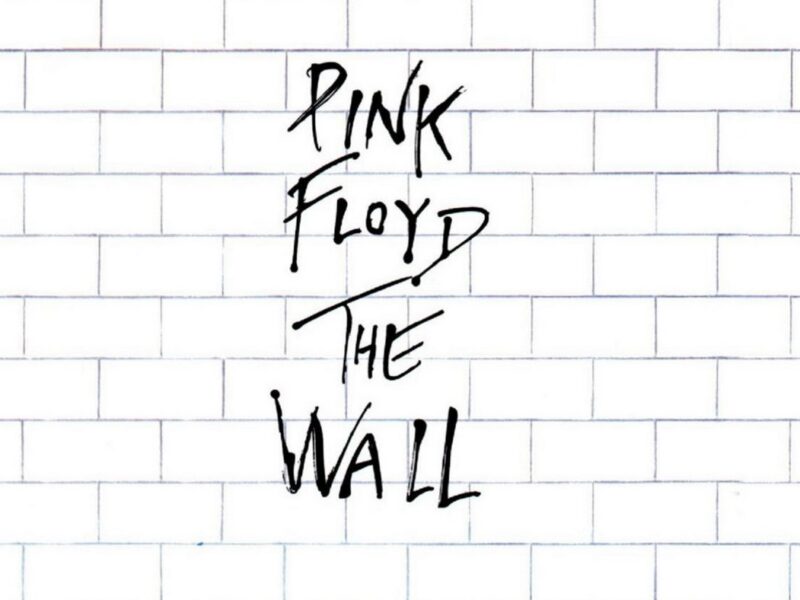
What endures is practical: a post-Dark Side band using studio time, a freelance engineer, and a burned handshake photo to talk about people who are missing while still clocking in. When later Floyd records chased concept scale and wall-length narratives, this one stays the cleanest statement of grief, satire, and guitar tone in one pack. It is still the Floyd album many listeners mean when they say they want something quieter and tighter than The Wall, without giving up the big themes.