From a Bowery loft to a worldwide pulse
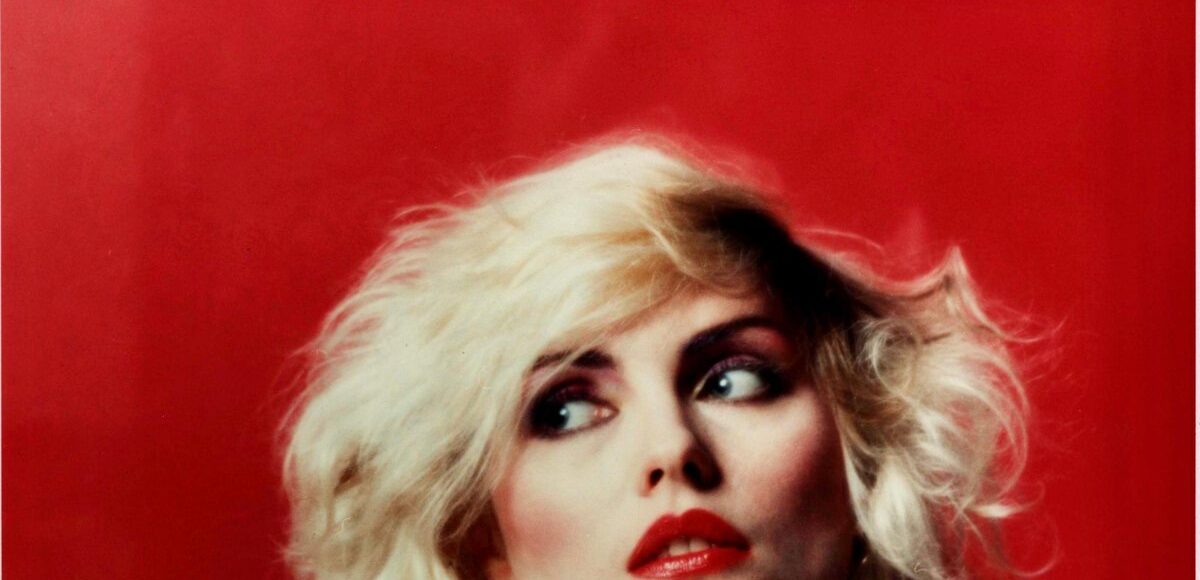
In a cold loft on the Bowery, gloves on for rehearsal, Debbie Harry and Chris Stein kept reshaping a song they only called the disco song. Outside, truck drivers yelled “Hey, Blondie” at Harry’s hair. Inside, the name stuck. Blondie formed in New York in 1974 out of the Stilettos’ wreckage, learned the rooms at CBGB and Max’s Kansas City, and treated genre the way other people treat coats: something you put on and take off without apology.
The debut, Blondie, arrived in December 1976 on Private Stock, produced by Richard Gottehrer, a Phil Spector echo meeting a downtown smirk. America barely noticed. Australia and the UK did, especially after Countdown played “In the Flesh” by mistake and the wrong B-side became the right door. Chrysalis bought the contract. Plastic Letters, February 1978, put “Denis” near the top of the British charts and proved an American new wave band could sound like a hit without sounding like a compromise.
Then came the six-piece lock: Harry, Stein, Clem Burke, Jimmy Destri, Frank Infante, Nigel Harrison. With Mike Chapman at the desk, Parallel Lines landed in September 1978 and refused to stay in one room. “Hanging on the Telephone” is a sprint. “One Way or Another” is a stalker’s grin set to rock. And “Heart of Glass”, that old loft sketch finally finished with a Roland pulse and Kraftwerk in the air, went number one in Britain and America in early 1979. Punk friends muttered about selling out. Burke had once refused to play it live. The dancefloor did not care.
Eat to the Beat followed in 1979 with “Dreaming”, “Atomic”, a video album before the format had a name. “Call Me”, written with Giorgio Moroder for American Gigolo, spent six weeks at number one in the US in 1980, as cool as a car door slam. Autoamerican that November stretched further: reggae via “The Tide Is High”, and “Rapture”, which walked hip-hop onto the Hot 100 as if the Bowery and the Bronx had always shared a cab. Harry named Fab Five Freddy in the lyric. The video made the handshake visible.
The heat burned unevenly. Harry became a face the camera preferred, which was both fuel and fracture. The Hunter, 1982, arrived thinner, the European tour cancelled, the band announced its end that November. Stein fell ill with pemphigus. Harry stepped back to care for him, then built a solo path: KooKoo with Nile Rodgers and Bernard Edwards, later Rockbird and the UK hit “French Kissin'”. Burke drummed for anyone who understood pocket. Destri produced. The catalogue kept working without them.
They returned in 1997. No Exit, 1999, gave Britain “Maria”, a sixth UK number one twenty years after “Heart of Glass”, a rare American act spanning three decades at the summit. Hall of Fame in 2006. Tours that never quite became a museum. Later records, Panic of Girls, Pollinator, kept the door ajar. The point was never purity. The point was appetite.
What remains is a platinum cool with CBGB dirt still under the nails. Blondie did not invent new wave, disco, reggae or rap. They proved a downtown band could carry all of them in one set and still sound like themselves: Harry’s deadpan glide, Stein’s wiry guitar, Burke’s restless drums, Destri’s keys catching neon. Put on Parallel Lines and you hear two rooms at once, the alley and the floor, arguing and agreeing in the same bar.