




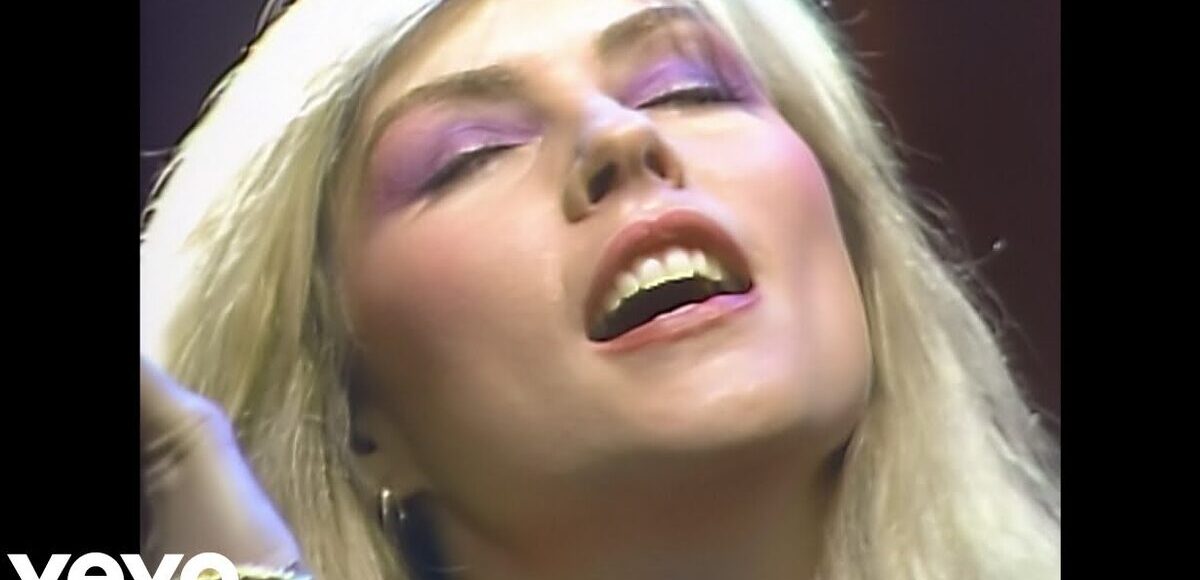
Autoamerican 1980: disco-funk, then Harry’s Mars rap
Rapture sits on Blondie’s Chrysalis album Autoamerican, released 19 November 1980 and produced by Mike Chapman. After a Bronx party with Fab 5 Freddy, Debbie Harry and Chris Stein wrote a disco-funk track whose spoken coda put rap on top of the Billboard Hot 100 in March 1981, a first for that chart. Stein has framed those parties as marginalized kids finding a voice on a socio-political level. The rhythm leans Chic: firm bass, clipped guitar, Harry cool until the rap section opens and the man from Mars walk-on arrives.
Length sits around five minutes and more on the album; radio edits trimmed. The single became Blondie’s second US No. 1 after Heart of Glass and proved new wave could borrow downtown talk without quitting the dancefloor. Live, Harry still toggles between sung verses and the spoken mid-song theatre. Autoamerican’s stylistic jumps (including The Tide Is High) made Rapture one square of a restless album; it outlived the rest as the rap history footnote.
In career terms the cut documents Blondie as translators between CBGB downtown and daytime pop. MTV-era reruns and hip-hop retrospectives keep citing the Hot 100 first. Covers and samples usually chase the Mars coda; the studio cut still needs the disco-funk front half to make the speech land.
The spark was a Bronx party with Fab 5 Freddy. March 1981 is the chart fact: the spoken coda put rap at No. 1 on the Hot 100. Start with the bass and the cool vocal. The rap section opens the record. It is not a sticker on the end. Radio versions usually kept the words and cut the length. The disco-funk arrangement was already bright, so the edit was mostly a trim. Later notes still give 19 November 1980, Mike Chapman, those parties, and the March 1981 peak. Compilations file it under 1980 or 1981, which is how many new listeners meet it. Live, Harry still moves from sung verses to the spoken section once the room knows the song. Remixes stretched the club life. Stations still start from the album cut or the seven-inch. The firm bass and the clipped guitar let the Mars coda land. It was the second US No. 1 after Heart of Glass. Autoamerican also holds The Tide Is High. MTV reruns and hip-hop retrospectives still cite that Hot 100 first. Samples usually chase the Mars coda. Stein tied the Bronx parties to kids finding a voice.
I was very excited because, on a socio-political level, it was literally all these marginalized kids finding a voice.
(Chris Stein on the Bronx parties that sparked Rapture)
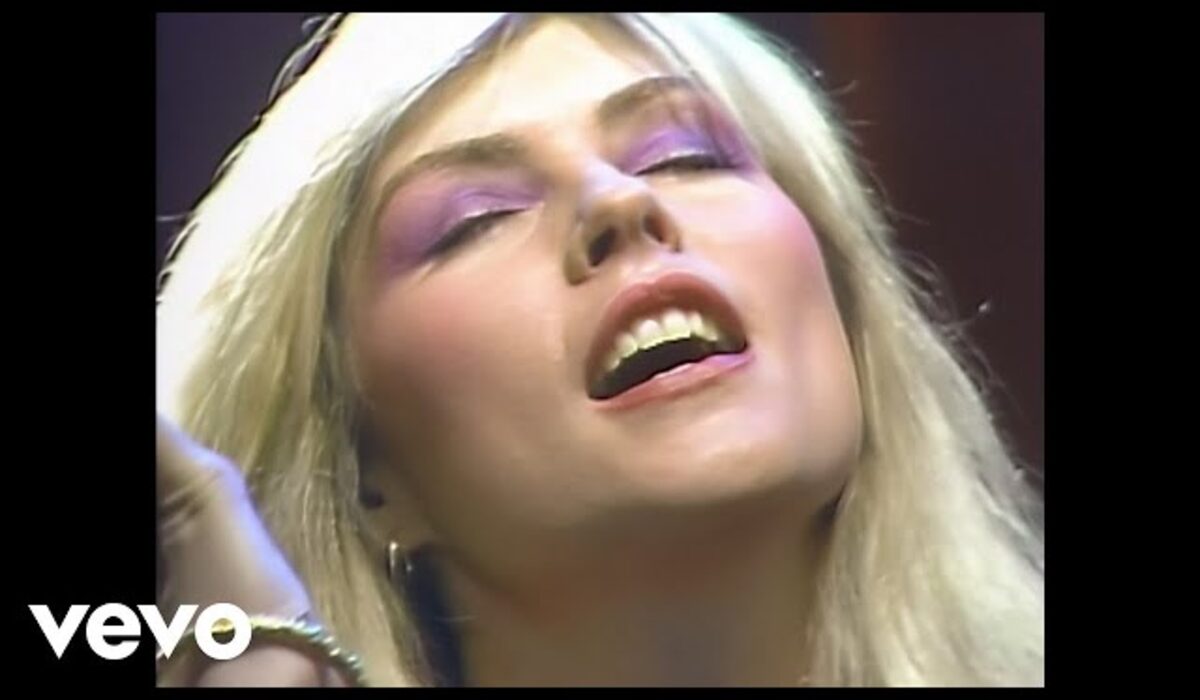
Rapture did not invent crossover rap. It put a Fab 5 Freddy-era Bronx spark on Autoamerican until the Hot 100 carried the Mars coda to No. 1. Stein’s account of the party is the origin. Chapman’s rhythm, leaning toward Chic, is how it was played.
Start before the talk section. The dance section comes first. The coda is what the chart remembers.


Emma | 13 October 2026
|
Heard Rapture a thousand times. This reminded me why it stuck. Coffee got cold while I finished the article. Acceptable.
Ray | 13 October 2026
|
Anyone else think the live versions of Rapture are better? Studio still wins for me though. Sharing this in the group chat. Expect chaos. Good piece.
Bruno | 14 October 2026
|
Ok but who else puts Rapture on at 1am and feels seen? More of this please.
Rita | 14 October 2026
|
People sleep on how weird Rapture actually is. This article gets it. Also the comments section on old forums was wild about this.
Elena N. | 14 October 2026
|
Still puts Rapture on whenever I need a reset. Never gets old. Also the comments section on old forums was wild about this.
Nina Bass | 16 October 2026
|
Cool. Now I want the deep cuts around Rapture too. I told my coworker and they shrugged. Their loss.