
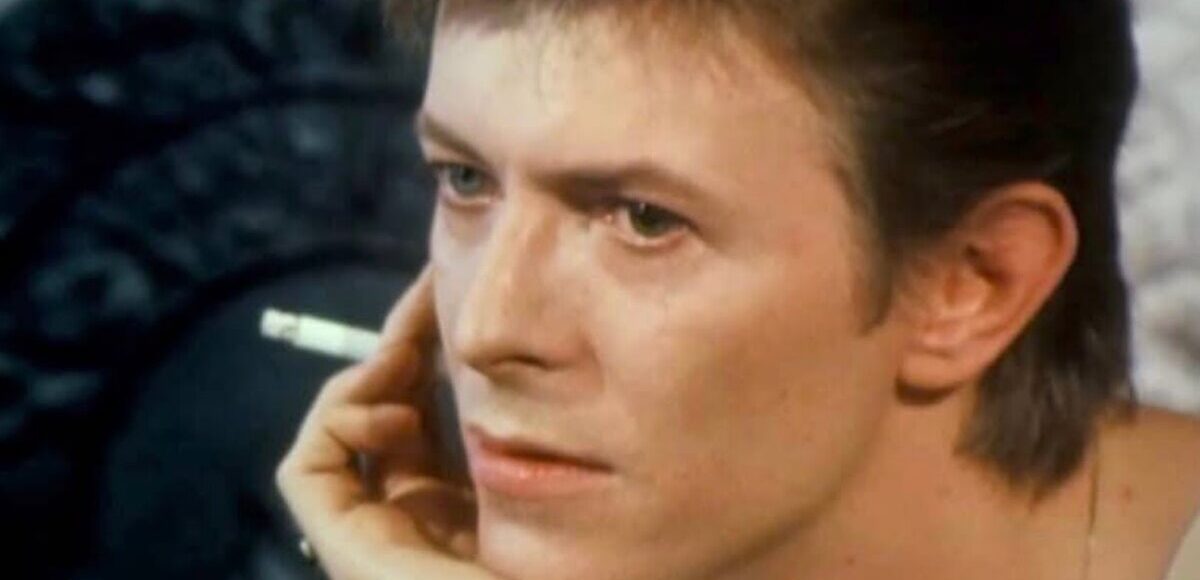
From Brixton and Ziggy to Berlin sessions and Blackstar
In a Brixton living room, a sharp-eyed kid practiced saxophone because the instrument might open doors the street would not. David Jones became David Bowie the way a stage name becomes a passport: not a lie, a license to work. Late-sixties London was full of bands chasing the same amp hum. Bowie chased faces and frames. He watched mime, theatre, American R&B, and how one changed glance could rearrange a room before a note landed.
Space Oddity, released in 1969, put him on the charts beside a moon landing the world already knew by heart. Major Tom sounded like a transmission left running. The early seventies brought harder glitter. The Man Who Sold the World and Hunky Dory sharpened the writing. “Life on Mars?” sat film-score ambition inside piano chords. “Changes” read less like a slogan than a studio method he would follow for decades.
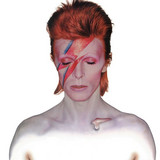
Ziggy Stardust landed rather than simply debuted. The Rise and Fall of Ziggy Stardust and the Spiders from Mars (1972) turned a singer into a visitation: orange hair, pale skin, Mick Ronson’s guitar cutting clean and loud. “Starman,” “Suffragette City,” and “Rock ‘n’ Roll Suicide” mapped a short mythology teens could wear to school. Aladdin Sane followed, then Diamond Dogs, each album another costume that somehow deepened the voice underneath.
America took him in, then nearly wore him out. Young Americans brought plastic soul and colder glamour; Station to Station invented the Thin White Duke, a character sharp enough to feel dangerous to inhabit. By the mid-seventies Bowie needed less spotlight and more structure. He went to Berlin with Brian Eno and Tony Visconti and rebuilt from texture: Low, “Heroes”, Lodger. The title track of “Heroes” still sounds like two people trying to outrun a wall with one day’s courage.
Collaborations widened the map. Luther Vandross appeared on Young Americans sessions. Iggy Pop’s The Idiot and Lust for Life took shape in the same Berlin orbit. Queen’s “Under Pressure” proved Bowie could share a mic without shrinking. Live, he treated tours as exhibitions with opening nights and closing myths. The sound changed; the appetite for theatre did not.
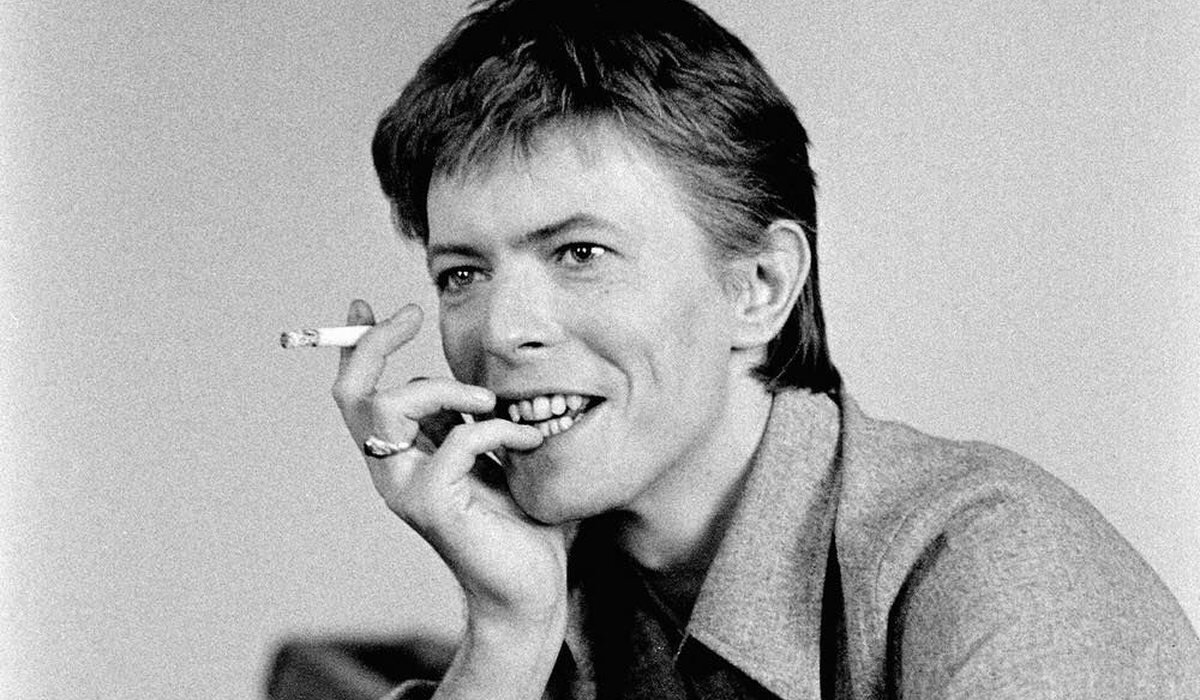
Let’s Dance (1983) made him global in another key: Nile Rodgers’s polish, MTV saturation, stadium scale. The fame was enormous and briefly flattening. Bowie kept moving through Tin Machine grit, 1990s experiments, Heathen and Reality, refusing the museum version of himself even when the museum wanted the keys.
Blackstar, released on his sixty-ninth birthday in January 2016, two days before his death, worked less as a farewell letter than as a final disguise that told the truth. Jazz shadows, clipped prophecy, a singer still rearranging the frame. Critics sometimes accused him of style over substance; the records answer differently. Even light singles carry structural craft: odd intervals, dramatic pauses, lyrics that refuse the obvious rhyme.
Sonically, the catalogue is plural on purpose. Dry Spiders guitar, Eno-treated ambient beds, Rodgers-clean dance pop, and late jazz-inflected arrangements all belong to the same intelligence. Bowie’s gift was making the elaborate feel inevitable, as if the next mask had always been waiting in the wings.
Entry points vary by temperament. Hunky Dory for songwriting clarity. Ziggy for the rock peak. Low and “Heroes” for Berlin texture. Let’s Dance for the global hit period. Blackstar for the final chapter. Add “Under Pressure,” “Rebel Rebel,” and “Ashes to Ashes” to trace three different rooms.
Beside Marc Bolan or Roxy Music, Bowie shared glam ambition but kept rewriting the script after the glitter faded. Beside Bryan Ferry or Peter Gabriel, he shared art-rock curiosity but with sharper pop hooks when he chose. What distinguishes him is craft of passage: identity treated as an instrument with detune and sustain.
What endures is not one persona but the method. Put on Hunky Dory, then Low, then Blackstar, and you hear the same intelligence changing rooms: a Londoner who understood that reinvention, done properly, is a form of honesty. That is why the catalogue still repays a full walk through the masks.