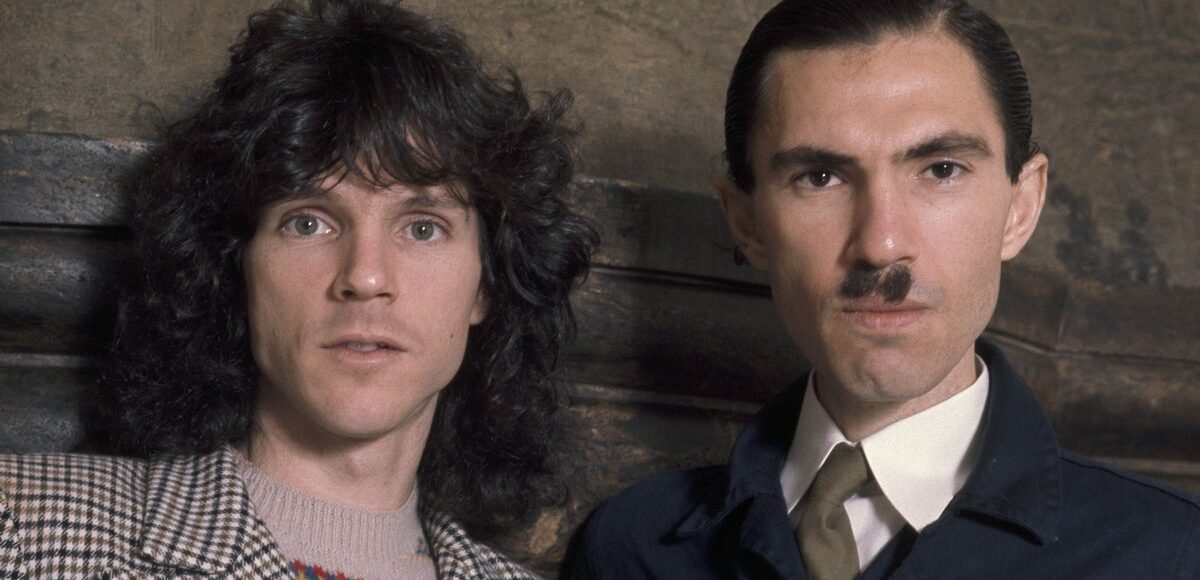
Ron’s stare, Russell’s falsetto, and fifty years of sideways hits
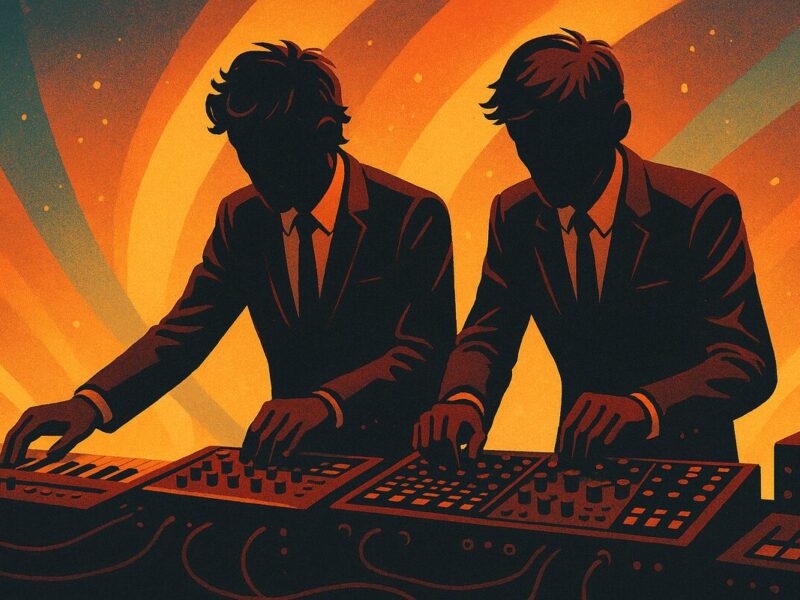
In 1971, Ron and Russell Mael formed Sparks in Los Angeles with a look and a method that their local scene had no idea what to do with. Ron sat at a keyboard with a small mustache and an expression suggesting he was calculating something unpleasant about everyone in the room. Russell sang in a falsetto that could shift from mockery to genuine emotion inside the same line. The music combined catchy melodic hooks with lyrics that subverted every expectation the hooks had set up. American labels did not understand this. British ones did.
Moving to London in 1973, the Maels signed to Island Records and recorded Kimono My House (1974) with producer Muff Winwood. “This Town Ain’t Big Enough for Both of Us” reached number two in the UK and introduced the template to a chart audience: Russell’s falsetto over a machine-precise piano line, Ron’s lyric working the concept of Western standoff into something simultaneously tense and absurd. Propaganda (1974) followed within months and consolidated the UK audience. Indiscreet (1975) pushed the orchestral side further and sold less. The British wave passed as quickly as it had arrived, and the Maels were already looking elsewhere.
Back in Los Angeles, they shifted rather than retreated. A collaboration with Giorgio Moroder produced No. 1 in Heaven (1979), a record that moved from their established piano-and-falsetto format into four-to-the-floor electronic dance production two years before synthpop broke mainstream. “The Number One Song in Heaven” and “Beat the Clock” placed the Sparks template inside a drum machine and sequencer framework that Moroder was simultaneously developing with Donna Summer. The album was not a major commercial success, but its approach was noted by producers who came after. The group had completed their second reinvention before most critics had finished reviewing the first.
The 1980s and 1990s brought more reinventions at regular intervals: the New Romantics-adjacent In Outer Space (1983), the mid-tempo pop of Whomp That Sucker (1981) and Angst in My Pants (1982), and a period in the 1990s working with more experimental electronic producers. Gratuitous Sax and Senseless Violins (1994) pointed toward the orchestral melodrama they would develop later. Interior Design (1988) was an underrated record in a period when critics struggled to categorize them. The group maintained a cult following in the UK and Europe without recapturing the chart moments of the 1970s.
The 21st century gave Sparks a third act that neither the brothers nor observers had predicted. Lil’ Beethoven (2002) stripped the production down to unison voices, repeated orchestral loops, and Ron’s lyrics operating at a higher level of absurdist comedy and genuine tenderness simultaneously. The approach was unlike anything else on release in 2002. Hello Young Lovers (2006) and The Seduction of Ingmar Bergman (2009) extended that method. FFS (2015), a collaboration with Franz Ferdinand, brought the project to a new generation by pairing Ron’s songwriting instincts with Alex Kapranos and the Glasgow post-punk guitar band dynamic. A Steady Drip, Drip, Drip (2020) and The Girl Is Crying in Her Latte (2023) showed the group still capable of economical, pointed songwriting in their seventies.
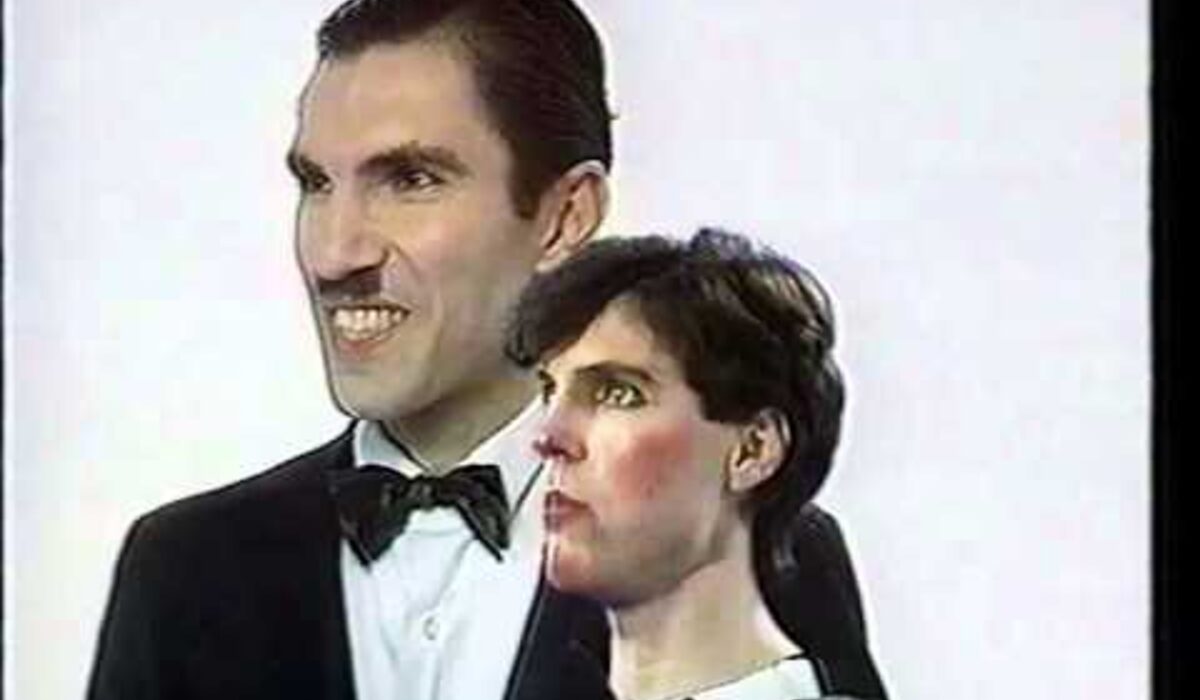
The Annette project, a film by Leos Carax with a score and story written by the Maels, premiered at Cannes in 2021 and was the most public demonstration of Ron’s compositional ambitions outside the pop song format. Edgar Wright’s documentary The Sparks Brothers, also released in 2021, introduced the full catalogue to viewers who had missed decades of it, providing a chronological account of the reinventions that had been happening without sufficient documentation.
The influences are identifiable once you look for them: Noel Coward’s theatrical wit, the British music hall tradition despite the brothers being native Angelenos, Frank Zappa’s disregard for genre boundaries, and the American art-rock of the early 1970s that valued strangeness over accessibility. Russell’s falsetto owes something to Beach Boys vocal production. Ron’s piano writing has more in common with Carole King and Burt Bacharach than with the prog keyboard players of the same period, which is why the songs read as pop even when the lyrics are operating in the opposite direction from the melody.
Sonically, the group is recognizable by its contrasts: a melodic line as accessible as anything on AM radio, undercut by a lyric working against every expectation the melody set up. Ron writes from an inside perspective that does not explain its own jokes. Russell executes with complete commitment, which is what makes the material land rather than collapse into parody. No other group uses the falsetto quite the same way: Rufus Wainwright has the voice but not the strangeness; Randy Newman has the irony but not the melodic hook. Sparks occupy their own coordinates.
Entry points: Kimono My House for the mid-1970s peak. Lil’ Beethoven for the baroque-pop reinvention of the 2000s. No. 1 in Heaven for the early electronic experiment. FFS if you want the collaborative record. The fifty-year discography is not an argument for genre tourism; it is evidence of a songwriting intelligence that has consistently refused to repeat itself or age into self-parody. The career is an argument that pop music rewards a sideways approach when the craft behind it is strong enough, and in Sparks’ case the craft has always been strong enough.