The count-in is a joke. The verse is Anzio.
Free Four opens with a count-in, “one, two, free four,” in a Cockney accent. That joke is the title. The song is on Obscured by Clouds, the soundtrack Pink Floyd made for Barbet Schroeder’s film La Vallée. They recorded it at the Château d’Hérouville in France between 23 February and early April 1972, in two breaks around a Japanese tour, and mixed it at Morgan Studios in London from 4 to 6 April. Harvest released the album in Britain on 2 June 1972. The band produced it.
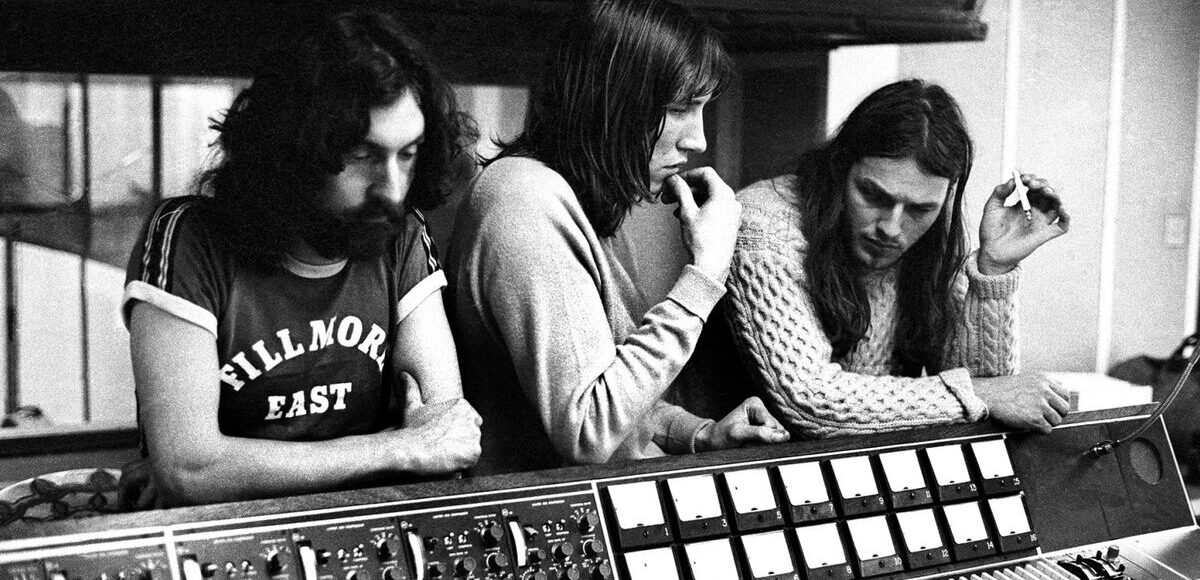
Waters wrote this one alone, the only track on the album that is entirely his. He sings it, plays bass, and plays the acoustic rhythm guitar. David Gilmour plays electric guitar. Richard Wright is on keyboards. Nick Mason plays drums. The tempo is almost jaunty, a bright shuffle, which sits oddly against the words.
The words are about his father. Eric Fletcher Waters, a schoolteacher, was killed at Anzio on 18 February 1944, serving with the Royal Fusiliers, when Roger was five months old. Free Four is the second Pink Floyd song to say so, after Corporal Clegg on A Saucerful of Secrets. The same fact comes back later, harder, on The Wall and The Final Cut. Here it is still inside a short song about getting on the American tour and finding it hard to get off.
Schroeder had already hired them for More. La Vallée follows two travellers in New Guinea, and he asked again. The band had started the music that became The Dark Side of the Moon, including early live performances of the suite, and they stopped for the film. The room was Strawberry Studios at the château. Waters’ acoustic sits up front. Gilmour’s electric guitar answers in short, hard figures against the shuffle. Mason keeps a plain backbeat. There is no long solo and no suite. At a little over four minutes the track is built like a single, which is why the American office could send it to radio without asking for a shorter edit.
You are the angel of death and I am the dead man’s son. He was buried like a mole in a fox-hole, and everyone’s still on the run.
(Roger Waters, Free Four, 1972)
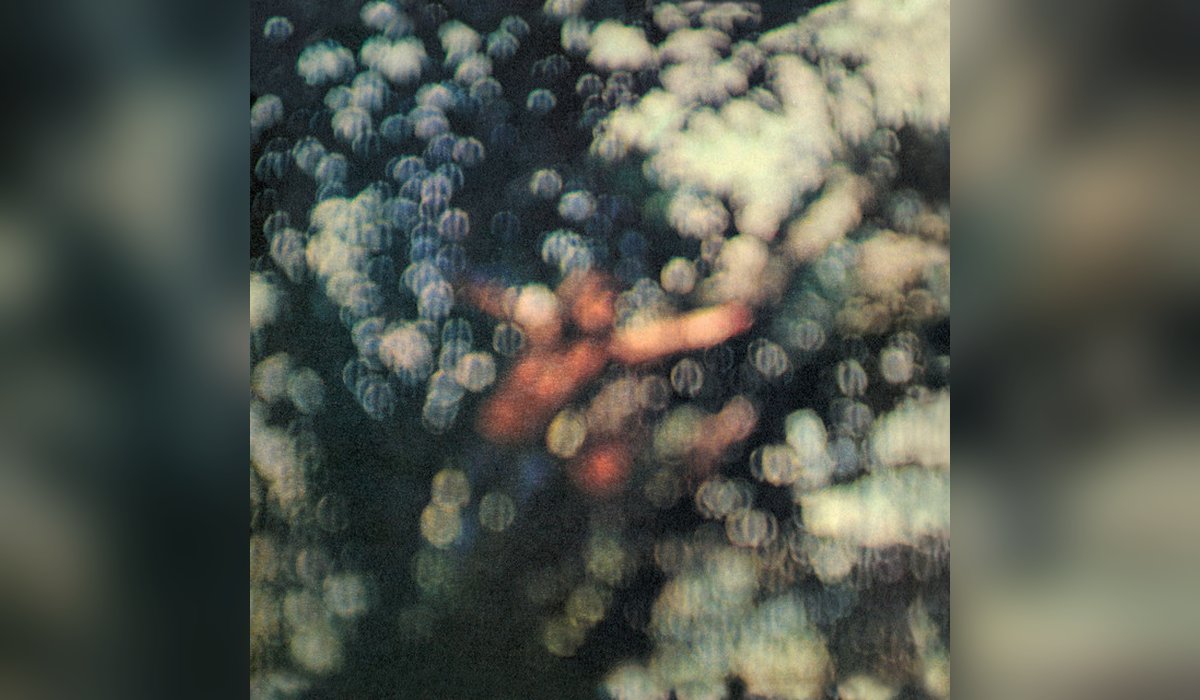
Capitol put the track out as a US single on 10 July 1972. It was the first Pink Floyd song since See Emily Play to get real American airplay, mostly on FM stations that would take a four-minute track with a dark lyric if the count-in sounded like a single. It did not become a chart hit. It did get the band on US radio a year before The Dark Side of the Moon.
The recording is a film job done between tours, in a French château, then mixed in Willesden. The cheerful count-in is the hook. The verse is Anzio, 1944, said out loud two albums before Waters built a whole record around his father’s death. The 1972 tape is the one that counts, not a later remaster of the soundtrack.