
Tracked the day after a guitar rewrite, then cut from Sign O’ the Times
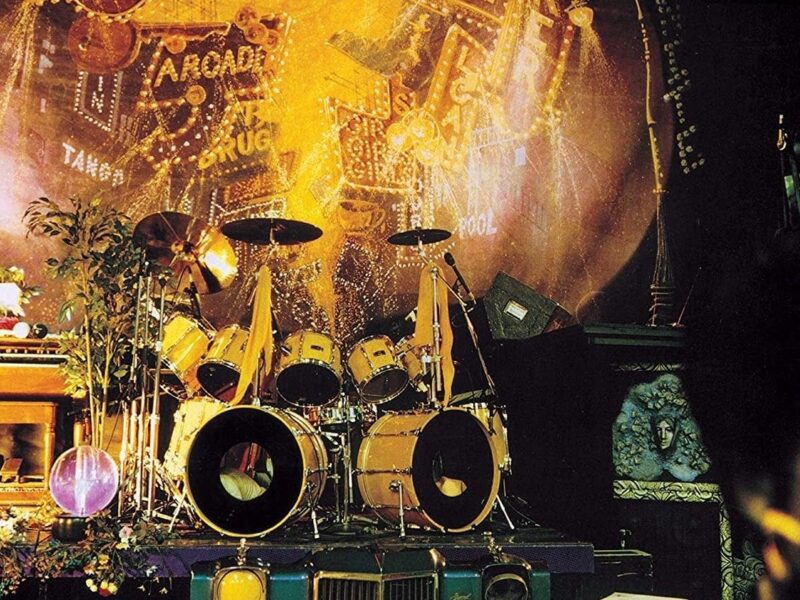
On 17 July 1986 Prince was in Studio 3 at Sunset Sound, Hollywood, with engineer Susan Rogers. The day before, he had reworked I Could Never Take the Place of Your Man. Five days later he would cut Soul Psychodelicide, a title he was already dropping into a lyric. The song in the middle is Joy in Repetition: tracking, overdubs, vocals, and a mix the same day. A further mix is likely on 27 July at the Galpin Boulevard home studio in Chanhassen. Prince plays the instruments and sings. Susannah Melvoin sings background.
The scene in the lyric is a club. A band has been on for months. The singer, a woman he had not noticed, repeats two words a little behind the beat. The words are “Love me.” He asks her name and gets the same two words. The line that closes the verses is the title: holding someone is believing there is joy in repetition. Then the arrangement opens and the guitar takes the last two minutes. Rogers is credited as recording and mixing engineer on the released master. Prince never explained the song in an interview. The tape is the explanation.
It missed the Dream Factory sequence compiled the next day. It did make the triple-album Crystal Ball plan, segued out of The Ball. When Warner Bros. made him cut that set down to the double album Sign O’ the Times, Joy in Repetition came off. He did not recut it. The 1986 recording is the one that finally appears.
A balls-out guitar solo that rivals any Prince performed in his career.
(Diffuser.fm, on Joy in Repetition)
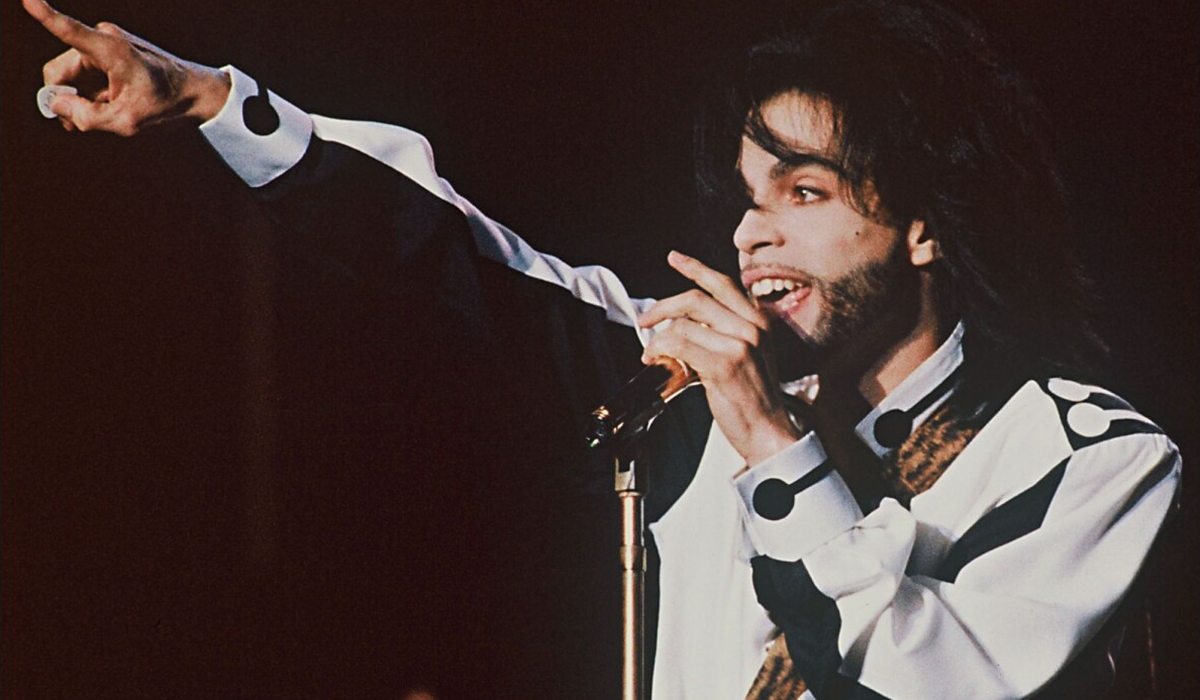
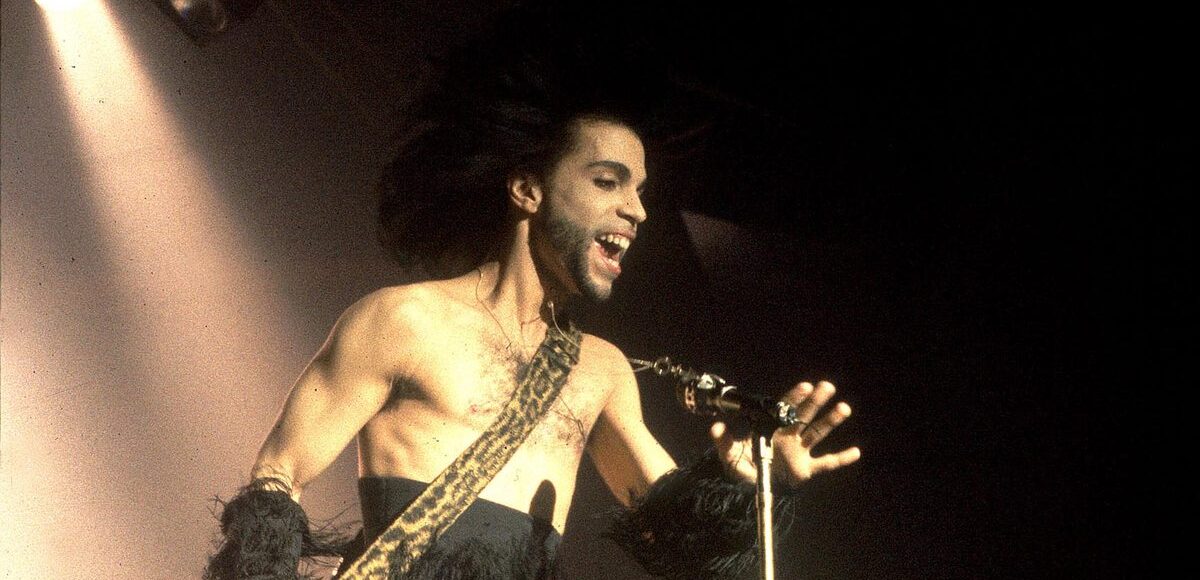
On 20 August 1990 Paisley Park and Warner Bros. released Graffiti Bridge, the soundtrack to the film. Joy in Repetition is 4:53 and segues in from We Can Funk, the George Clinton track. Prince kept the party noise at the top. It is the same chatter that ends Eye No and leads into Alphabet St. on Lovesexy. On the LP it closes side one. The film uses the song in a club scene that matches the lyric and does not improve on the record. He did not update the 1986 mix for the soundtrack. Other old songs on the album were touched. This one was not.
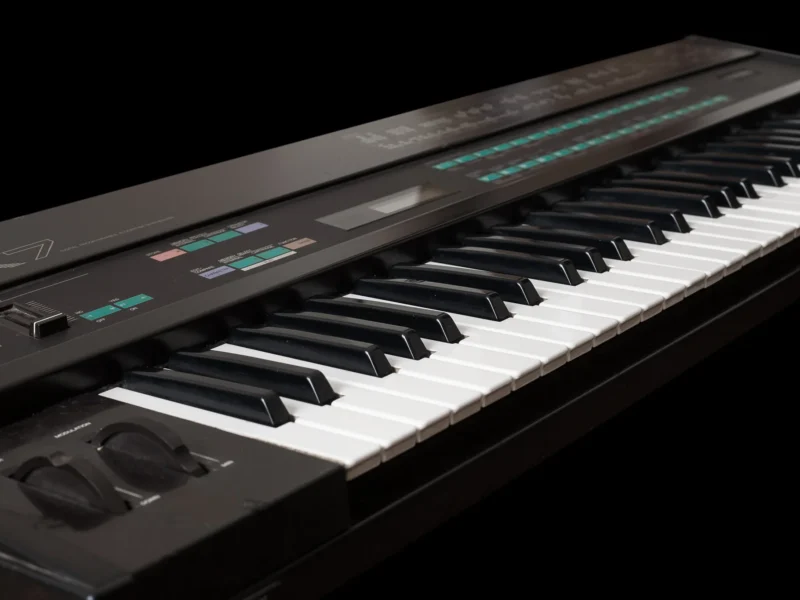
The released master lists Susan Rogers as recording and mixing engineer, with Howie Weinberg and Michael Koppelman on mastering and Coke Johnson assisting. The long live reading is the one that opens One Nite Alone… The Aftershow: It Ain’t Over in 2002, with John Blackwell on drums, Rhonda Smith and Larry Graham on bass, Renato Neto on keyboards, and Maceo Parker on saxophone. That version stretches the solo past the studio edit. The song to write about is still the Sunset Sound master: four years in the vault, then a side-one closer that Warner had already asked him to drop.