
Absolutely, Stiff, November 1980: Lee Thompson’s family letter
On 14 November 1980, Madness released Embarrassment on Stiff Records (BUY 102). The B-side was Crying Shame. The song sits on their second album Absolutely. Clive Langer and Alan Winstanley produced it. Mike Barson wrote the music; saxophonist Lee Thompson wrote the lyric. The single spent twelve weeks on the UK chart, peaked at number 4 in December, and was certified gold. It also reached number 4 in Ireland and number 2 on the Dutch Top 40.
Horns and piano hit hard on the opening, then the ska pulse settles under Suggs’s vocal. The story is blunt: a teenage girl gets a letter saying the family no longer wants her at the door. Uncles, aunts, mum and dad refuse her because she is pregnant by a Black man. Thompson wrote it after his sister Tracy faced that rejection. Madness already packed dancefloors as the Nutty Boys; here the bounce carries a cold family verdict instead of a comic sketch.
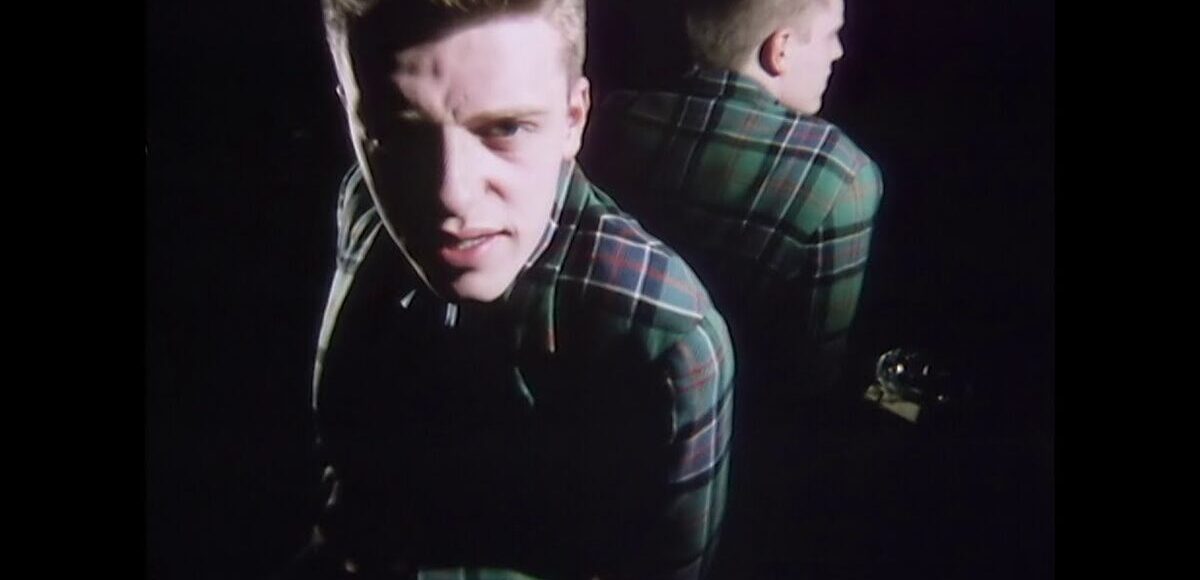
The video was filmed at London’s Embassy Club on 7 and 8 November 1980. Suggs sits in a gloomy bar while the band play brass around him. Langer and Winstanley remixed the single relative to the album cut while keeping the same running time, about three minutes ten. Live, the band had been playing the song since April 1980, months before the 7-inch. Absolutely also held Baggy Trousers, the bigger comic hit of that year; Embarrassment proved the same lineup could land a top-five single with a bleak family plot. Stiff pressed BUY 102 as Madness became weekly Top of the Pops regulars; the Embassy Club clip kept the faces familiar while the lyric refused a novelty turn.
How can you show your face when you’re a disgrace to the human race?
(Lee Thompson lyric, Embarrassment, 1980)
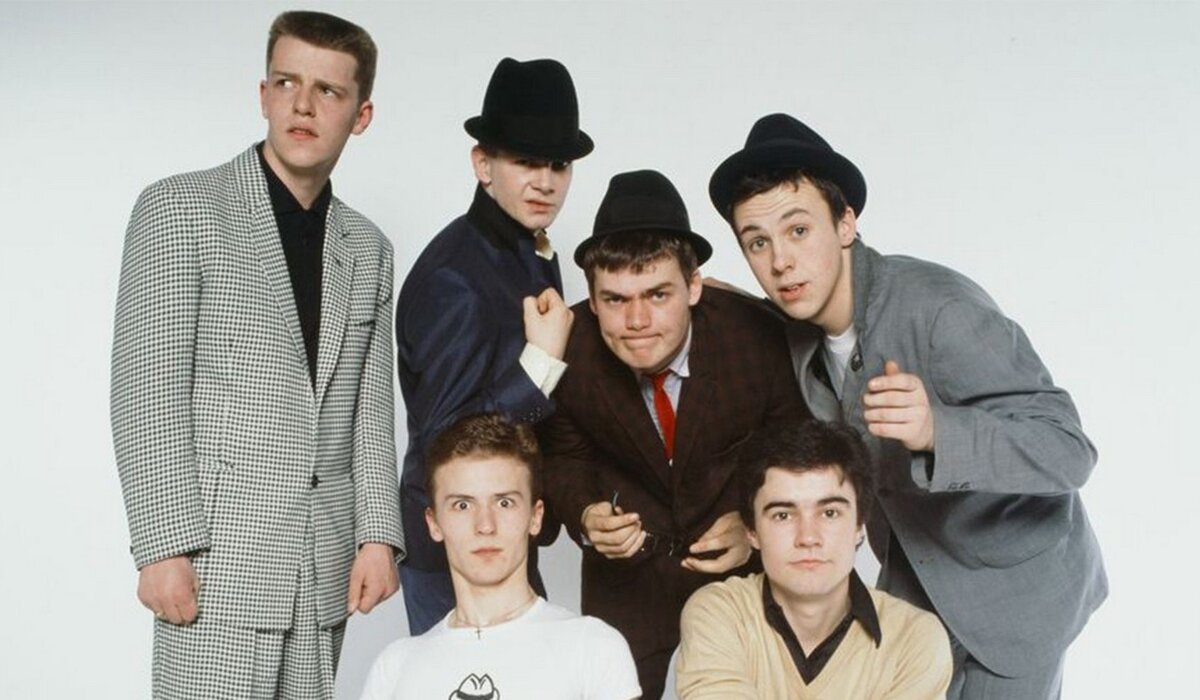
Twenty-five years later, BBC Magazine revisited the song and Tracy’s life: attitudes had shifted, and the private story behind the hit no longer matched the shame the lyric describes. At the time, Madness also faced a violent skinhead fringe they did not want, despite a clear anti-racist stance. Embarrassment made that stance audible without a speech on the sleeve. Thompson later spoke openly about Tracy’s story; the song remains one of the clearest anti-racist statements inside a British ska chart run that outsiders sometimes misread as cartoon.
Play the 1980 Stiff single or the Absolutely album take. Skip the remaster marketing. The horns, Barson’s tune, and Thompson’s letter to his own family are the original work that hit number 4 while sounding, to casual radio ears, like another Madness bounce.