





Morgan Studios, 1974: heroes, Watergate, and a soft-rock plea
Murray Head wrote and sang Say It Ain’t So, Joe for his second studio album Say It Ain’t So, released in 1975. Sessions ran through autumn 1974 at Morgan Studios in Willesden, London, with Paul Samwell-Smith producing for Silven Productions. Island and A&M pressed the single and album according to territory. Head had already been heard as Judas in the original Jesus Christ Superstar album; this record was his return as a songwriter with a full band.
Samwell-Smith brought musicians from his Cat Stevens work into the room, including Alun Davies, Gerry Conway and Bruce Lynch, while Head arrived with players such as Jim Cregan and Bob Weston. On the title track you hear a calm soft-rock pulse, round bass, electric guitars, and Head’s clear vocal telling a story about faith in public heroes after the fall. Head later explained that a 1970s documentary on Richard Nixon before resignation sparked the lyric: a small-town editor compared undimmed support for a disgraced president to the 1919 Black Sox scandal and the plea “Say it ain’t so, Joe.”
The song runs about 4:36. The single’s B-side was Don’t Forget Him Now. Roger Daltrey covered the track on his 1977 album One of the Boys. The parent album sold strongly over time; Head revisited the song on later compilations when the phrase resurfaced in American news, including the O.J. Simpson case. The chronicle here stays with the 1974-75 Morgan sessions and the original album statement, not later remasters.
Say It Ain’t So, Joe was provoked by a seventies documentary on Richard Nixon prior to his resignation. The song is about heroes and their feet of clay; also a plea from those who have lost faith in a fallen idol.
(Murray Head, liner notes for When You’re in Love, 1994/95)
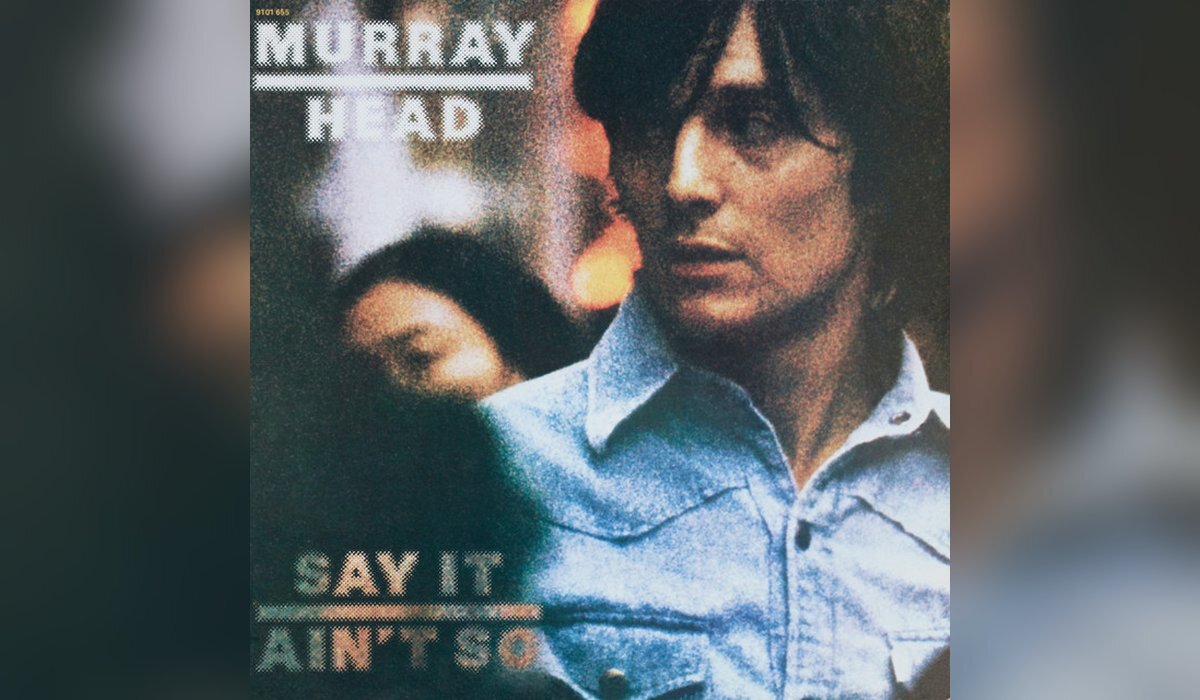
Engineers Robin Black and Martin Levan worked the Morgan desks; the album sleeve photography was by Gered Mankowitz. What you hear is Samwell-Smith’s clear mix and Head naming disappointment without shouting. Soft rock and folk-rock textures keep the lyric readable: the drama is in the words, not in studio tricks.
Start with the 1975 album take of Say It Ain’t So, Joe. Skip remaster marketing language. Morgan Studios, Samwell-Smith, and Head’s Watergate-era writing are the original work.

Diego | 13 October 2026
|
this is the track I put on to test new speakers. Murray Head never lies. Might be recency bias but I do not care today.
Emma | 13 October 2026
|
Not my usual lane but Say It Ain’t So got me. Fair enough.
Alex | 13 October 2026
|
Lol fair. Yeah.
Elena N. | 14 October 2026
|
People sleep on how weird Say It Ain’t So actually is. This article gets it.
Chloé | 15 October 2026
|
I always skip to Say It Ain’t So on the album. Guilty. More of this please.
Carmen | 16 October 2026
|
Kinda basic of me but Say It Ain’t So is still top 5 Murray Head for me. Sharing this in the group chat. Expect chaos.